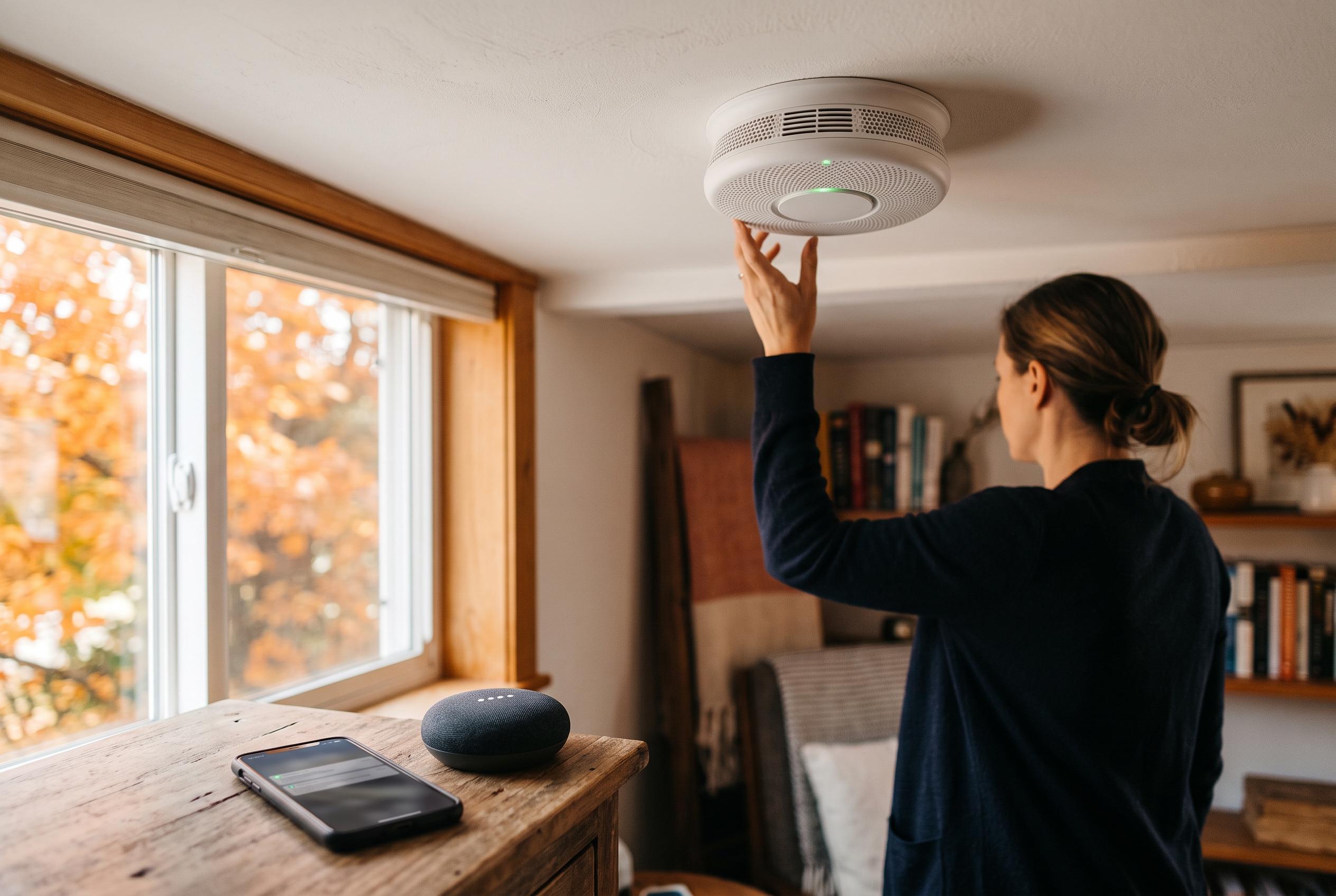

Kidde launches a user-friendly, smart combination smoke and CO detector that provides real-time alerts via the Ring app, enhancing autumn home safety without extensive installation, and introduces optional monitored alerts for added security.
As households turn to autumn maintenance, a smart smoke and carbon monoxide alarm offers a practical way to tighten home safety without a major installation project. Kidde’s Smart Smoke & CO Detector combines smoke and carbon monoxide detection in one unit, aiming to give homeowners earlier warning of two of the most serious risks inside the home.
The device is designed to fit into everyday use rather than to demand a complex set-up. According to Kidde, it sends real-time alerts through the Ring app for smoke, carbon monoxide and low battery status, with no subscription needed for those basic notifications. The battery-powered model runs on two AA batteries, avoiding the need for wiring, while compatible Kidde alarms can be linked so that an alert in one part of the home can reach other devices throughout the property.
Kidde says the alarm uses enhanced sensing technology that detects smoke more than 25% faster than a leading competitor, based on internal testing, and also reduces nuisance alarms triggered by cooking compared with earlier Kidde models. The company has positioned the product as part of a wider smart safety range that includes versions built for hardwired systems, app-based monitoring and, in some cases, indoor air quality tracking.
For households already using Ring, the battery-powered version adds optional 24/7 monitoring for $5 a month, according to Kidde. That service includes emergency response, extending the device beyond simple notification and into managed monitoring for smoke and carbon monoxide incidents. Kidde also says the alarm can be connected wirelessly with compatible devices, making it easier to create a whole-home alert network without replacing an entire safety system at once.
The broader appeal lies in convenience as much as technology. Autumn is a natural time to test alarms, replace batteries and confirm that existing detectors still function properly. A connected smoke and carbon monoxide alarm does not replace those checks, but it can make them more effective by adding remote alerts, linked coverage and a clearer view of whether the home’s protection is actually working.
Disclaimer: This content is intended for informational purposes only. Readers are advised to exercise their own judgement, conduct due diligence, or consult a qualified expert before acting on any information provided.