
Fairphone introduces its first direct-to-consumer model in the US, emphasising longevity, repairability, and ethical sourcing amidst a growing focus on sustainable electronics.
Fairphone has brought its latest modular handset to the United States with a direct-to-consumer launch that places repairability at the centre of the pitch. Priced at $649, the Fairphone Gen 6+ is the company’s first model sold directly in the market and is tuned for AT&T and T-Mobile networks, a shift that could make the device easier to buy and use than earlier Fairphone phones that reached American customers mainly through importers or third parties.
What sets the phone apart is not raw speed but the promise of longevity. Fairphone says software and security support will run until June 2033, while the device also carries a five-year warranty and spare parts availability through the same period. The company’s own materials describe the handset as a sustainability-led product built from fair and recycled materials, with a low carbon footprint and a design intended to reduce electronic waste.
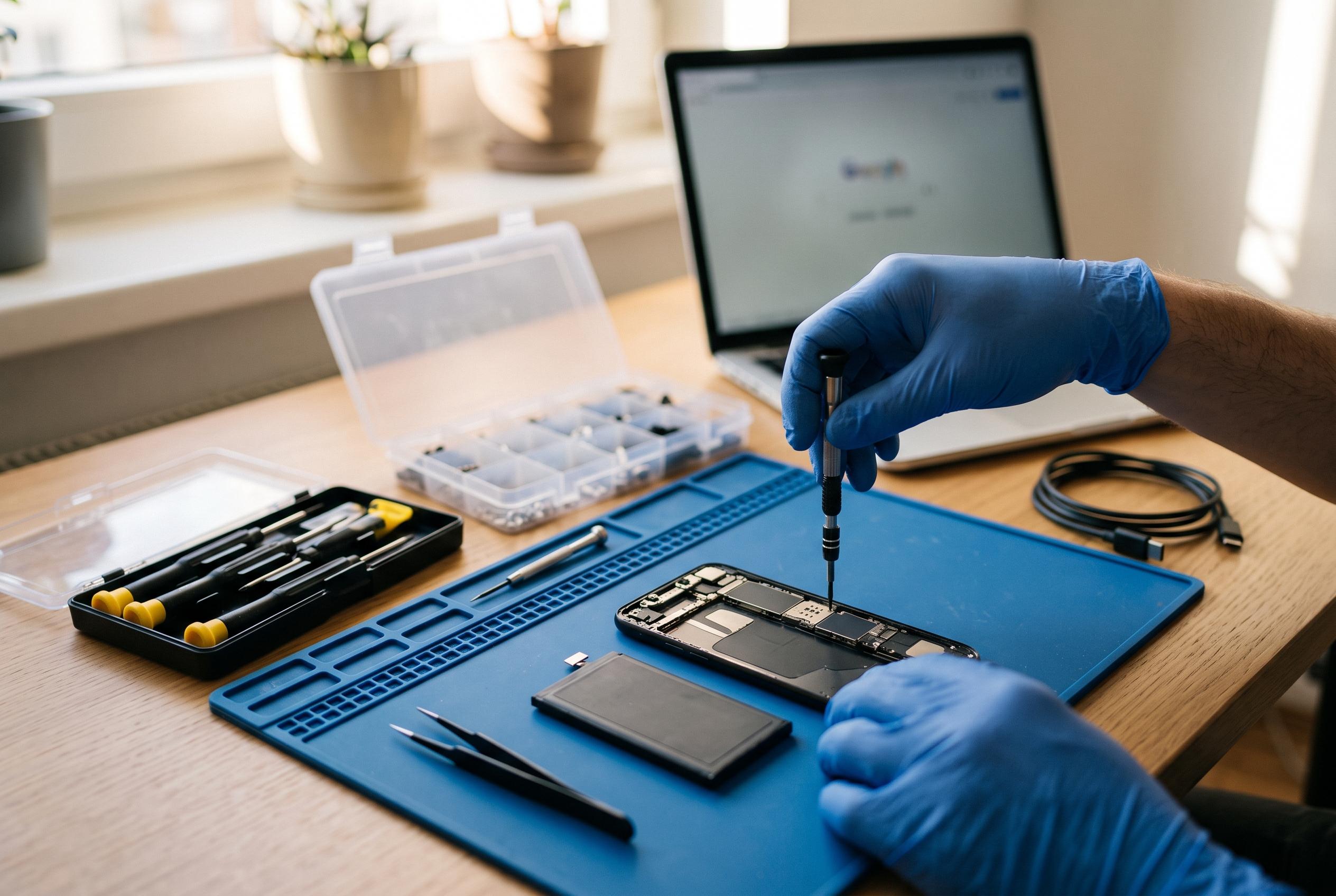
The hardware is built around that same idea. Fairphone says the Gen 6+ contains 12 user-replaceable parts, including the battery, display, USB-C port and back cover, all accessible with a standard Torx T5 screwdriver and replaceable in under five minutes. The company also says the phone has earned a perfect 10/10 repairability score from iFixit, underlining how central self-service maintenance is to its design.
That repair-friendly approach comes with familiar trade-offs. The Fairphone Gen 6+ uses a Snapdragon 7s Gen 4 chip and 12GB of RAM, which should make it a solid mid-range device, but not a flagship rival on pure performance. Its IP55 rating also falls short of the higher water and dust protection offered by many competing phones in this price bracket, though the modular construction is what enables the user-replaceable parts and easier repairs. Fairphone is positioning the device as a better long-term calculation: a phone that may cost more upfront than a typical budget model, but that could prove cheaper over time if buyers keep it for years rather than replacing it after a short cycle.
Beyond the product itself, the launch fits Fairphone’s wider mission. Founded in 2013 in the Netherlands, the company has built its identity around ethical sourcing, fair working conditions and lower-impact electronics, arguing that a longer-lasting, repairable phone is one way to reduce the environmental and social costs of consumer technology. In that context, the Gen 6+ is less a conventional upgrade than a statement of what a smartphone can be if longevity is treated as a feature rather than a compromise.
Disclaimer: This content is intended for informational purposes only. Readers are advised to exercise their own judgement, conduct due diligence, or consult a qualified expert before acting on any information provided.