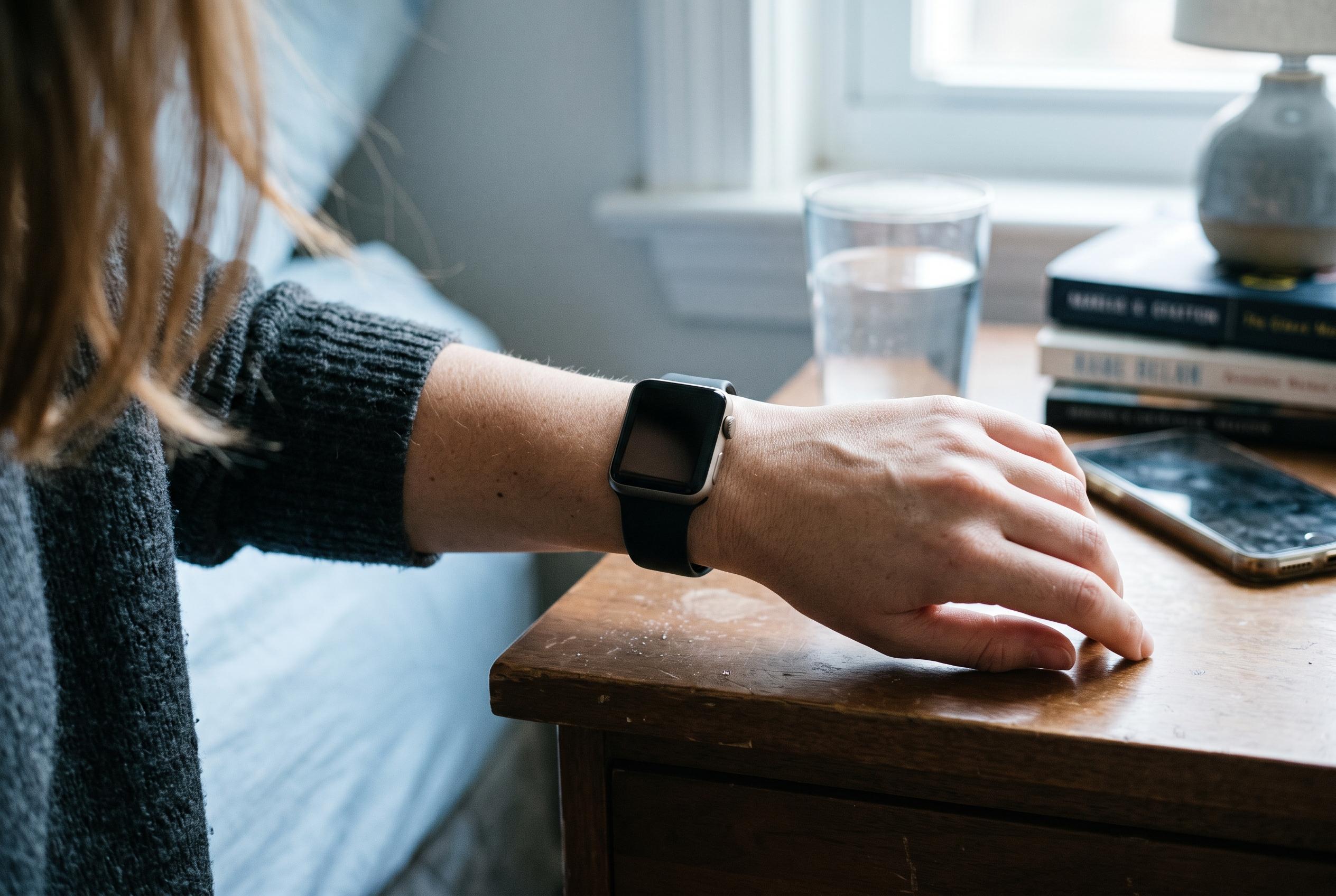

The new Apple Watch Series 12 introduces significant sensing upgrades, including a more frequent heart-rate tracking and a new readiness score, shaping it into a more capable health companion for users seeking quick guidance over raw biometric data.
Apple’s latest Watch is a refinement rather than a redesign, but the changes matter. The Series 12 keeps the familiar case shape, display and controls, yet Apple has pushed the upgrade story towards sensing, software interpretation and health analysis rather than cosmetic change. The result is a watch that looks close to last year’s model but behaves more like a more capable health tool, particularly for users who want quick guidance rather than raw biometric data.
The main addition is a new readiness score, which turns overnight recovery, recent exertion and heart-rate variability into a simple daily rating. In practice, that means the watch can suggest whether to rest, pace oneself or push harder, rather than leaving users to interpret graphs and metrics. Apple says the feature depends on a revised Health Sensing System, with redesigned optical and electrical heart sensors and the S11 chip. The company also says the watch now measures heart rate every five seconds in the background, a major increase in sampling frequency. Independent hands-on testing broadly supports that claim: heart-rate tracking appears strong for running and cycling, while more erratic workouts such as HIIT and strength training still expose the limits of wrist-based optical sensors.
That sensing upgrade is the clearest reason to consider the Series 12 over an older Apple Watch. The device can now produce more frequent heart-rate data, and that feeds into more useful recovery guidance through the Health app. The watch also keeps the wider Apple Watch strengths intact: contactless payments, phone control, Siri access, activity tracking and the broader integration that makes it especially useful for iPhone owners. For many buyers, those everyday functions remain as important as the fitness features.
Battery life, however, is still the main compromise. Apple has not turned the Series 12 into an endurance watch, and the standard model still offers roughly a day of use for most people. Some improvements exist, including faster charging and better stamina during workouts, but the Series 12 remains well behind longer-lasting rivals from Garmin, Oura, Whoop and others. Apple’s own higher-end Watch Ultra line still offers the obvious answer for people who want much longer runtime, but it is a different category of device altogether.
The design changes are modest, though Apple has added new colours and tougher materials across the range. Aluminium remains the entry point, while titanium and ceramic versions offer more durability and more expensive finishes. In Europe, there is also a caveat: two of the more controversial audio-related features are not available at launch, reflecting Apple’s continuing regulatory disagreement in the region. Even with that limitation, the Series 12 makes a strong case for itself as Apple’s most readable and accessible health watch yet, especially for users who value clearer feedback over raw data.
Disclaimer: This content is intended for informational purposes only. Readers are advised to exercise their own judgement, conduct due diligence, or consult a qualified expert before acting on any information provided.