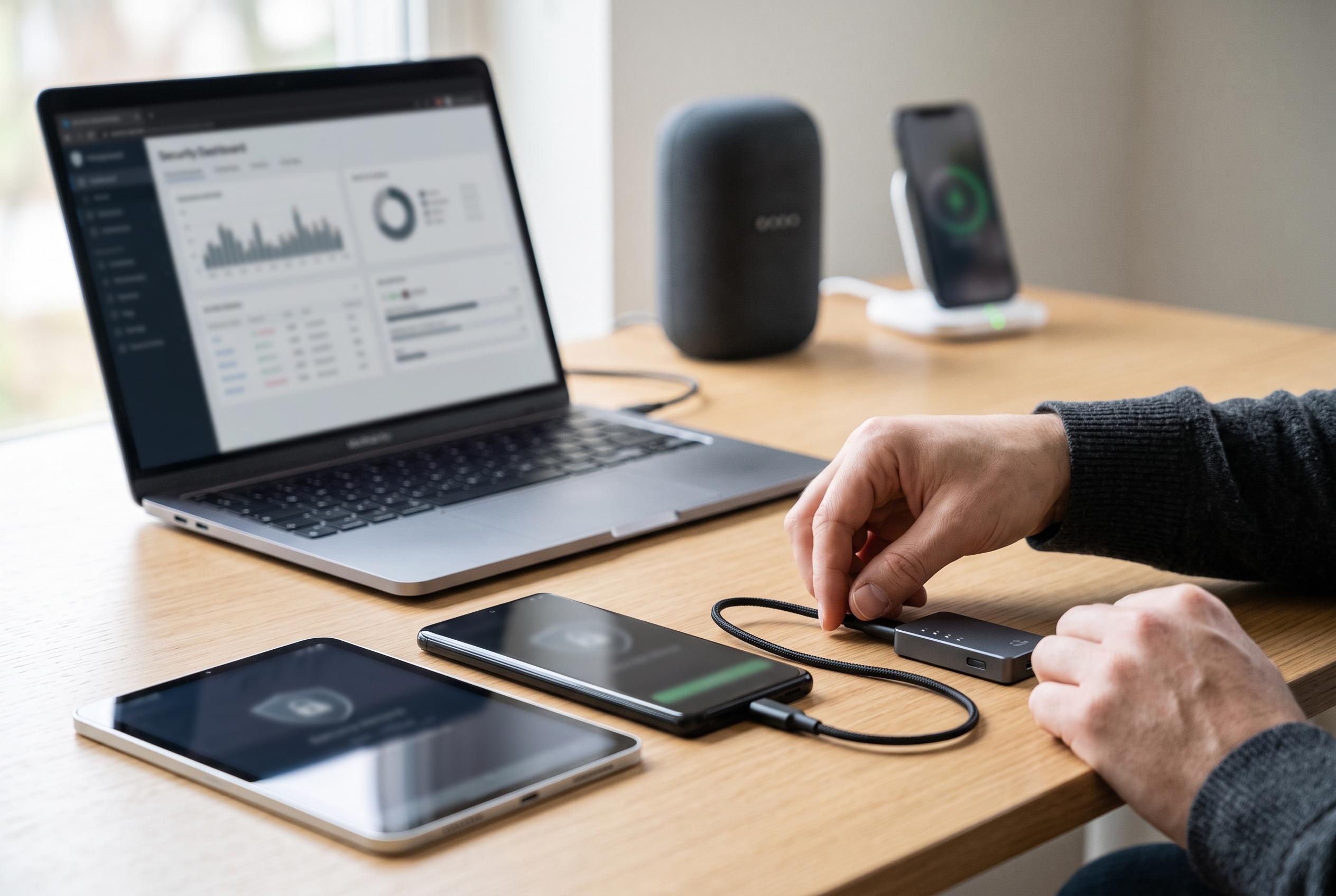

Google has expanded Android’s security tooling with AndroidX libraries that enable more granular device trust checks, transforming how developers assess system protection at the component level rather than relying solely on patch dates.
Google has expanded Android’s security tooling with a pair of AndroidX libraries that move device trust checks beyond the long-standing, single patch-date model. According to Google’s developer documentation, the AndroidX Security State and Security State Provider libraries give apps a more centralised way to assess security posture at the level of individual components, including the core operating system, Play-updated system modules and the kernel. That is a significant shift for developers who need a clearer view of whether a handset is genuinely protected, rather than assuming that one overall security patch date tells the whole story.
The new approach breaks the patch status down into three measures: Device SPL, Published SPL and Available SPL. Device SPL reflects what is already installed on the device without needing network access. Published SPL shows the latest patch level Google has officially issued for a given component. Available SPL indicates the update that can be downloaded and installed on that specific device. Help Net Security reported that this structure is intended to solve a weakness in the traditional Android Security Patch Level, which has historically acted as a single number for the whole system and could conceal gaps in specific parts of the software stack.
For security-sensitive apps, the practical value is clear. Google says banking, fintech, healthcare and enterprise software can use these checks before allowing high-risk actions, rather than simply blocking access on the basis of a broad compliance rule. Developers can verify whether particular CVEs have been patched, and they can require a user to install a specific component update before a transaction or administrative task is allowed. The library also includes functions such as queryAllAvailableUpdates(), fetchAvailableSecurityPatchLevel(), areCvesPatched() and isDeviceFullyUpdated(), alongside a helper that generates standard vulnerability report URLs.
The companion Security State Provider library is aimed at original equipment manufacturers and update clients. Google says it standardises the way devices report that an update is available, so an app does not need to know whether the notification came from Google Play, an over-the-air updater or an OEM’s own client. In practice, that reduces fragmentation across the Android ecosystem and makes it easier for enterprises and managed-device environments to interpret security status consistently. Google’s guidance on understanding device security state says the libraries are intended to give developers a unified, component-level view of pending updates and current protection.
Disclaimer: This content is intended for informational purposes only. Readers are advised to exercise their own judgement, conduct due diligence, or consult a qualified expert before acting on any information provided.