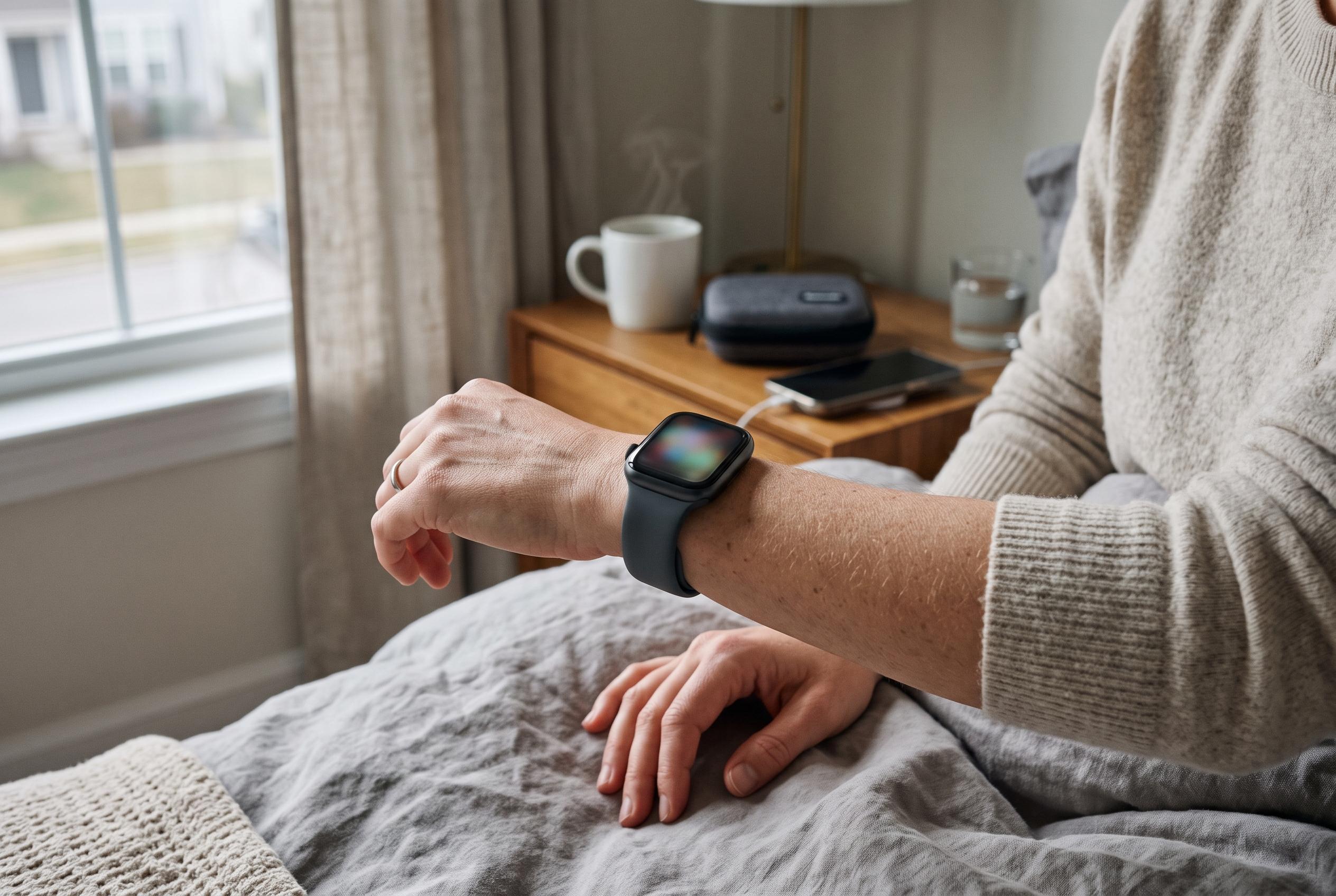

Apple’s latest Watch Series 12 introduces an advanced health sensing system and refined software features, marking a strategic shift towards more continuous health monitoring, while maintaining a familiar design palette and addressing user convenience, yet battery life remains unchanged amidst ambitious health and AI promises.
Apple’s Watch Series 12 looks familiar at first glance, but the real changes are deeper than the familiar aluminium, titanium and ceramic shells suggest. According to Apple’s launch material, the new model introduces an all-new Health Sensing System, refreshed case finishes and Ceramic Shield 2 on aluminium versions, while keeping the same broad formula that has defined recent generations. The result is a watch that does not announce itself through design, yet is built around more ambitious health tracking and a stronger software roadmap.
That restraint is visible in the hardware. The case design remains close to the previous generation, even though Apple has adjusted the display and enclosure on some models, with MacRumors reporting a slightly smaller screen area and a wider case on the 46mm version. At the same time, Apple has expanded the palette with dark bronze, light gold, black and space grey aluminium models, plus titanium and ceramic options. For buyers who wanted a dramatic visual overhaul, this is not it; for those who prefer continuity, it keeps the watch easy to live with.
The more meaningful changes sit underneath the back glass. Apple says the new sensor array includes a second-generation electrical heart sensor, an always-on optical heart sensor, blood oxygen monitoring and a temperature sensor, while the revised layout is intended to improve contact and measurement consistency. Apple’s support documentation also lists the S11 chip, a 64-bit dual-core processor with a four-core Neural Engine, as part of the package. In practical terms, the watch now samples heart data far more often, which should produce a more continuous picture of daily activity, strain and recovery than earlier models.
Reviewers who have spent time with the Series 12 say that is the most important shift. The device can now capture heart-rate readings every five seconds, including while the wearer is moving, and HRV measurements are taken far more frequently than before. That allows the watch to move beyond isolated snapshots and towards an ongoing health record built passively through the day. A new Readiness score, highlighted in industry coverage, combines information such as sleep, activity and vitals to provide a more useful sense of whether the user is recovered or should ease back.
Apple is also trying to make the watch feel smarter without depending entirely on cloud-based processing. The company says Audio Intelligence is enabled by the S11 chip and its Secure Exclave, allowing microphone-related tasks to be handled in isolation. The current features include Sound Recognition and faster Shazam access, while Live Rewind and Siri Recap are due later as beta functions. That matters because these are among the more interesting additions, yet they are not fully available at launch. In other words, part of the pitch is still a promise rather than a finished product.
The same applies to Siri and the interface changes around it. Apple has placed more emphasis on voice interaction in watchOS 27, and the software now surfaces commonly used apps alongside Siri rather than forcing users through a dense grid. New gestures, including a single tap between thumb and index finger, are aimed at making the watch easier to control when one hand is already occupied. These are sensible refinements rather than flashy features, but they improve the device in ways that matter in everyday use.
Battery life, however, remains the stubborn limitation. Apple still quotes roughly 24 hours, which leaves the watch behind several rivals that can last multiple days on a charge. Faster charging helps, and existing chargers remain compatible, but the underlying endurance story has not changed. That leaves the Series 12 in an awkward position: it is clearly a better health monitor and a more capable platform for future software, yet much of its most compelling intelligence will only arrive later. For now, it looks less like a full annual reinvention than the groundwork for what Apple wants the Watch to become.
Disclaimer: This content is intended for informational purposes only. Readers are advised to exercise their own judgement, conduct due diligence, or consult a qualified expert before acting on any information provided.