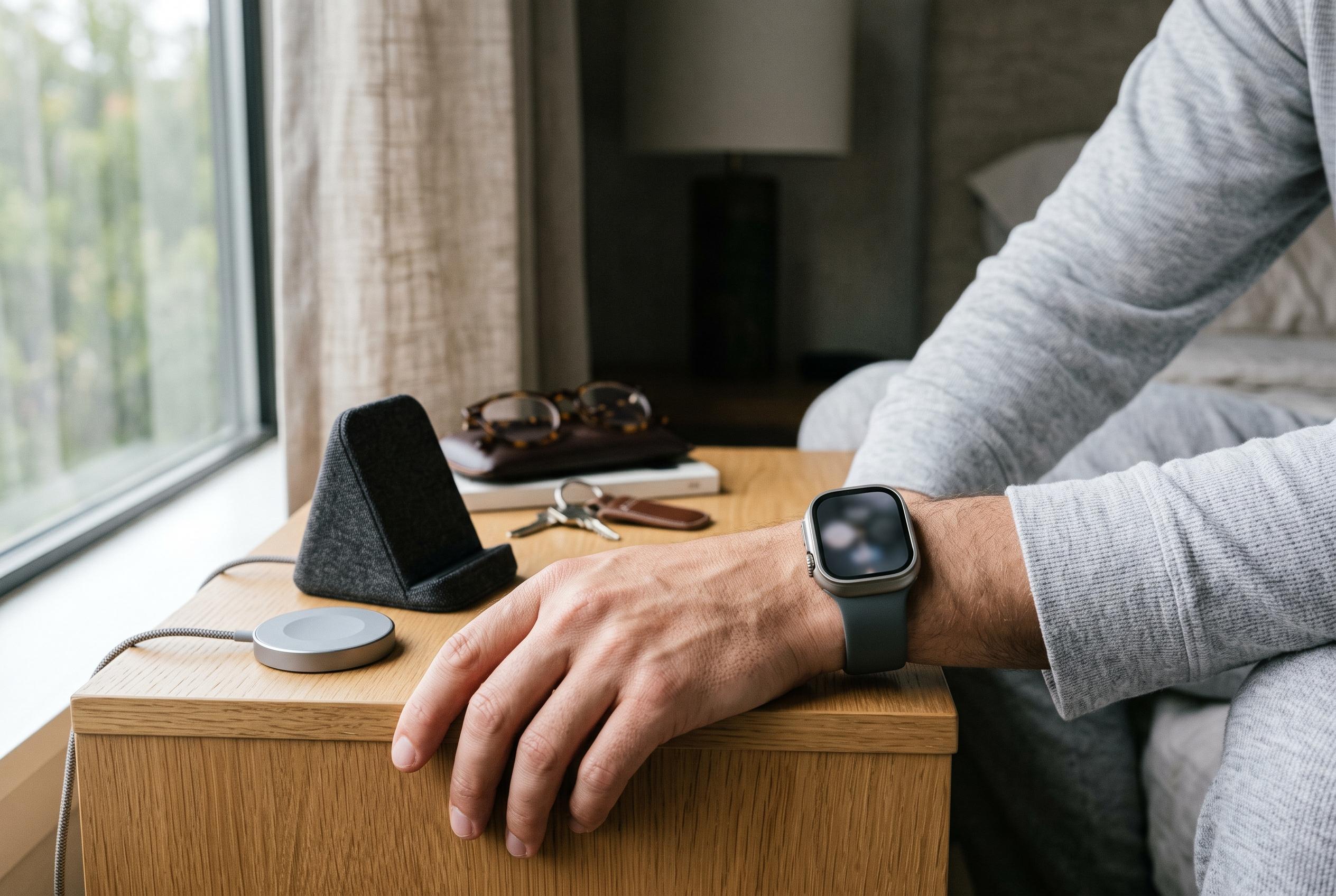

Apple’s latest Watch Series 12 introduces advanced health sensors and longer battery life but faces criticism over minimal practical upgrades and a redesigned display that diverges from previous bezel-trimming trends, leaving Series 10 still a solid choice for many users.
For owners of the Apple Watch Series 10, the Series 12 is an awkward upgrade case. Apple’s 2026 model brings a faster S11 chip, more memory, a redesigned health sensing system and longer battery life, but the practical gains are narrower than the specification sheet suggests. Apple’s own announcement and later hands-on coverage from MacRumors and Tom’s Guide show a watch that is meaningfully better at gathering health data, yet not an obvious leap for anyone already satisfied with a recent model.
The design changes are more controversial. According to comparison material from MacRumors, the Series 12 keeps the same display resolution as the Series 10, but the active screen area is slightly smaller and the borders are visibly thicker. That is a notable reversal for a product line that had spent several generations trimming the bezel. For users who liked the near edge-to-edge look of the Series 10, the newer model may actually feel less refined on the wrist, even though the casing is otherwise familiar.
Apple is leaning heavily on health sensing as the reason to upgrade. In its launch material, the company said the Series 12 uses a new Health Sensing System with higher-frequency heart rate and HRV measurements, plus a readiness score intended to summarise recovery. Tom’s Guide and TechRadar both reported that the watch refreshes heart-rate readings far more often than earlier models and adds more actionable workout and sleep insights. That makes the Series 12 more attractive to serious exercisers and users who want richer recovery data, rather than casual wearers who mostly want notifications and basic fitness tracking.
The Series 10 is still far from obsolete. It already supports core health features such as heart-rate monitoring, ECG, blood oxygen-related health tracking where available, sleep analysis, temperature sensing and the usual activity metrics. In other words, the latest model mostly deepens the detail of the data rather than introducing an entirely new experience. For most people who do not train heavily or analyse recovery closely, the Series 10 remains a capable and current watch, especially when paired with newer watchOS features.
Battery life is one area where the Series 12 makes a cleaner case. Apple says the watch can last up to 24 hours in normal use, compared with the Series 10’s 18-hour figure, and charging is faster too. That said, Apple also changed its battery-testing method, so the numbers are not perfectly comparable. Even so, the better charging performance and longer claimed runtime are practical advantages for users who frequently forget to top up before bed or rely on sleep tracking.
There is also a broader question of value. Apple has kept the Series 12 at a starting price of $399, while moving the range towards aluminium, titanium and ceramic finishes and adding cellular 5G RedCap support on relevant models. TechRadar reported launch availability through Apple and retailers, while its deal coverage showed how trade-in offers can lower the effective price. Even so, the upgrade only looks compelling if the buyer specifically wants more detailed health data, stronger battery life or a fresh hardware platform. For most Series 10 owners, the smarter decision is to keep the current watch until battery health declines or a later generation brings a more convincing redesign.
Disclaimer: This content is intended for informational purposes only. Readers are advised to exercise their own judgement, conduct due diligence, or consult a qualified expert before acting on any information provided.