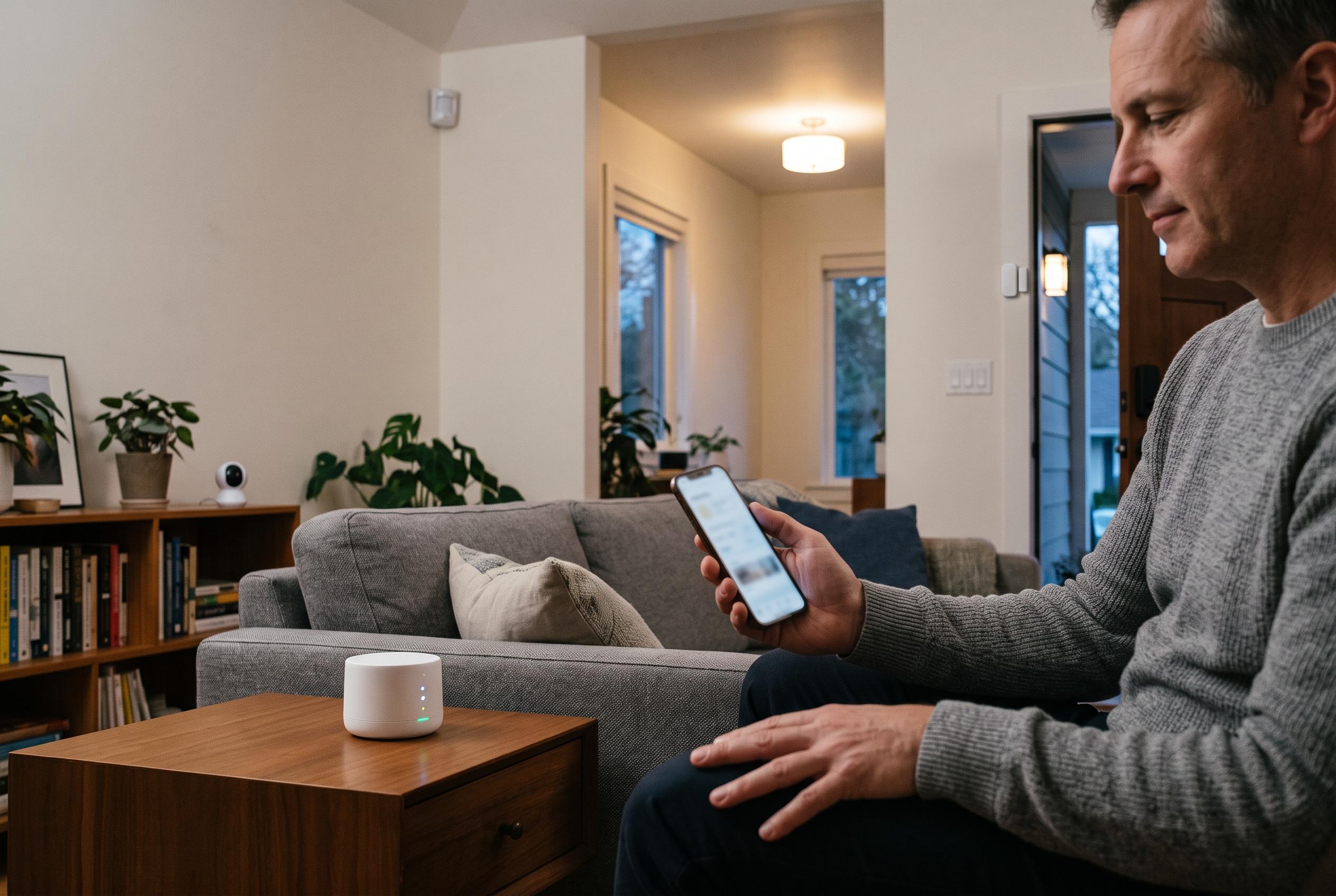

Panasonic joins forces with Google to develop intelligent, customisable home security solutions that learn from household routines and reduce user workload, addressing evolving safety needs amid changing household structures.
Panasonic has agreed to work with Google on a smart home security project aimed at combining automated detection with lower day-to-day friction for users. The companies said they will link Panasonic’s residential intercoms and monitoring cameras with Google’s generative AI and cloud services to build systems that can spot unusual activity, identify patterns and adapt to household routines. According to Panasonic, the aim is to make security tools more effective for people who are setting them up for the first time as well as for households that want more advanced protection.
The partnership comes as Japanese home security needs become more complex. Panasonic said crime involving home invasions has become more sophisticated and violent in recent years, while household structures are also changing. Dual-income families, older residents and smaller households, including people living alone or as two-person households, are all becoming more common. That shift has increased demand not only for remote monitoring, but also for earlier warning of potential risks and systems that can be tailored to different living situations.
Panasonic also pointed to a practical problem in existing security setups: users may know they need protection, but not know where to begin, while frequent alerts and the need to review large amounts of camera footage can become burdensome. The company said the new collaboration is intended to reduce that workload by using analysis of video and other data to make alerts and responses more relevant. In effect, the systems are meant to move beyond simple detection towards security that learns from household behaviour over time.
The companies said their joint development will focus on integrating Google Home services and intelligence with Panasonic’s IoT devices, including video intercoms and cameras. Google’s role is expected to centre on AI and cloud infrastructure, while Panasonic brings its experience in home hardware and monitoring. No commercial product has been announced yet, and the companies have not provided a timetable for launch. The announcement signals a broader push to make smart home security more adaptive, but it also leaves open questions about pricing, privacy controls and how much processing will happen in the cloud versus on the device itself.
Disclaimer: This content is intended for informational purposes only. Readers are advised to exercise their own judgement, conduct due diligence, or consult a qualified expert before acting on any information provided.