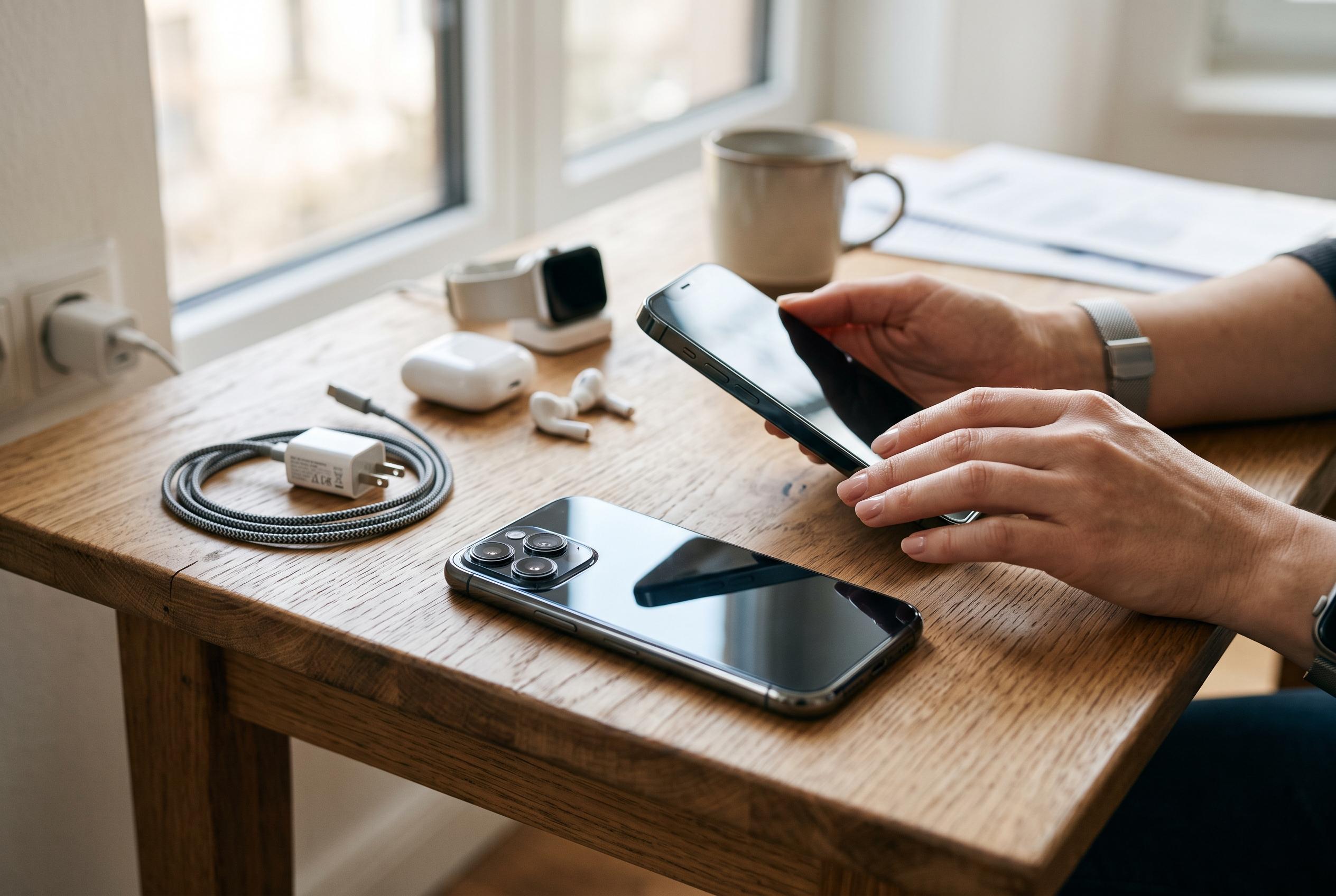

Affordable smartphones under $300 now rival mid-range models, with major brands like Samsung, Motorola, and Xiaomi delivering flagship-like features such as 5G, high-refresh-rate displays, and robust batteries, redefining value for everyday users.
Budget smartphones have improved to the point where many buyers no longer need to stretch to a flagship. Industry guides published in recent years note that models in the sub-$300 bracket now commonly include 5G connectivity, high-refresh-rate displays, sizeable batteries and cameras that are more than adequate in daylight. The trade-offs remain, especially for heavy gaming, low-light photography and premium materials, but the overall value proposition is far stronger than it was only a few product cycles ago.
For most people, the Samsung Galaxy A26 5G is the most convincing all-round choice in this segment. Reviews from Android-focused outlets describe it as a balanced phone with a large AMOLED display, dependable everyday performance and the kind of software support that gives a budget handset a longer usable life. That matters as much as any hardware specification, because a cheaper phone only becomes true value if it remains secure and supported for several years.
If battery life is the priority, Motorola’s Moto G Power line remains one of the safest bets. Coverage of the 2026 model points to a device designed for users who want a phone that can last well beyond a single day without charge. Motorola’s cleaner version of Android also keeps the experience straightforward, which will appeal to people who want fewer pre-installed apps and a less cluttered interface. For buyers on a tighter budget, the Samsung Galaxy A16 5G is another practical option, particularly for students, first-time smartphone users and anyone looking for a reliable secondary handset.
Outside the United States, Xiaomi’s Redmi Note and POCO families continue to offer some of the strongest specifications for the money. Buying guides note that these phones often deliver fast charging, smooth displays and capable cameras at prices that undercut many rivals, although availability in the US is more limited. Google’s Pixel a-series also remains worth watching when discounted. Analysts and review sites consistently treat it as the camera leader in this price range, largely because Google’s image processing can make modest hardware perform above expectations.
There is also a strong case for refurbished devices. A certified used iPhone can still provide a premium build, strong cameras and access to iOS without flagship pricing, provided buyers check battery health, warranty terms and remaining software support. For those choosing a new budget phone, the most important questions are practical rather than technical: how long the device will be kept, whether battery life or camera quality matters most, and whether features such as a headphone jack, microSD expansion or water resistance are essential. Industry buying advice also continues to favour unlocked models, seasonal discount periods, last year’s devices and storage capacities above 64GB, since modern apps and photos fill space quickly.
Taken together, the message from the market is clear: the gap between budget and premium phones has narrowed sharply. For everyday tasks such as messaging, browsing, video streaming and casual photography, a phone under $300 can now feel impressively complete. The smartest purchase is no longer the most expensive one, but the one that matches the buyer’s real priorities and avoids paying extra for features they are unlikely to use.
Disclaimer: This content is intended for informational purposes only. Readers are advised to exercise their own judgement, conduct due diligence, or consult a qualified expert before acting on any information provided.