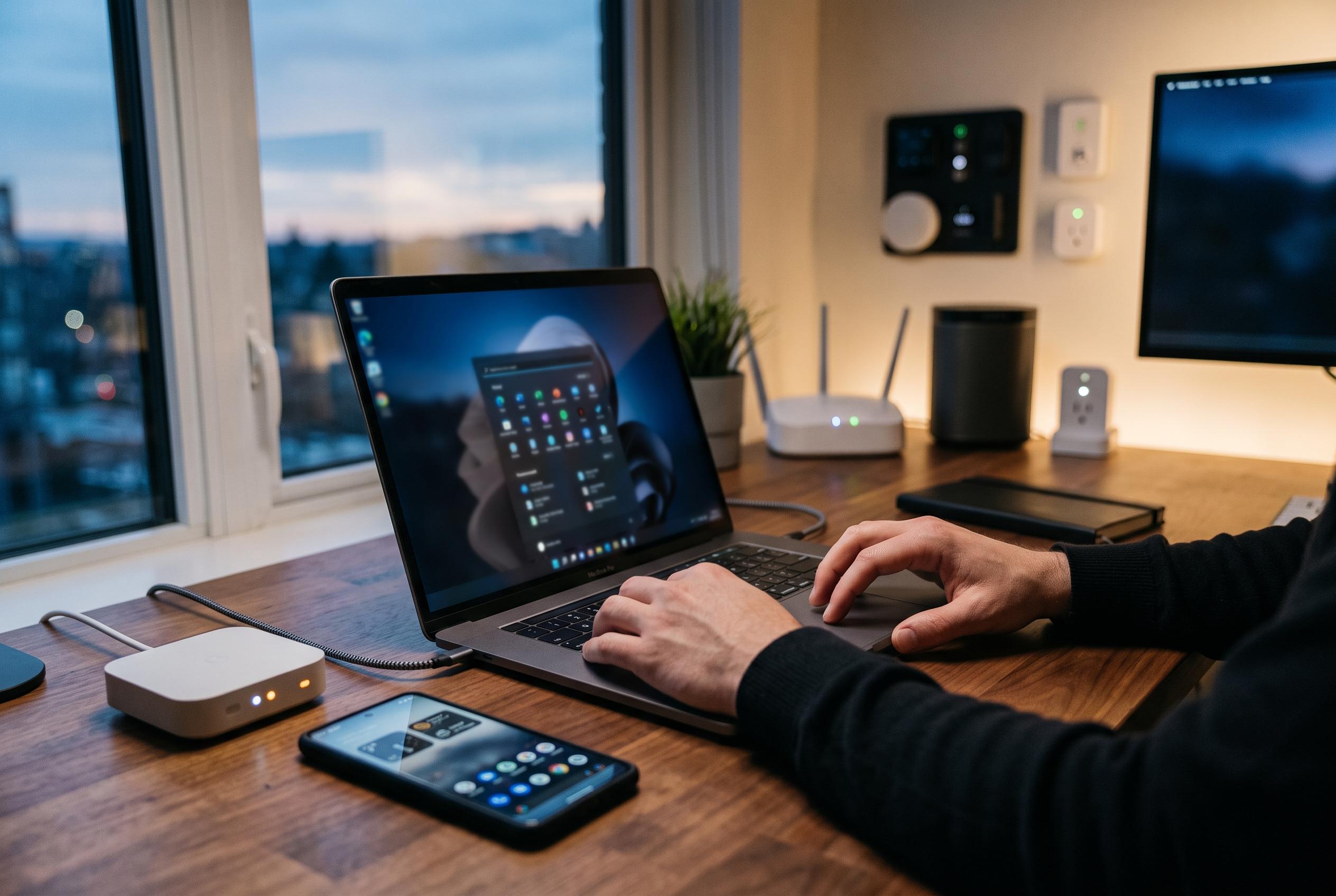

Microsoft is transforming its Windows Search into a sophisticated AI-driven control centre, enabling faster system adjustments, seamless device integration, and hybrid AI processing, with rollout set for this autumn and beyond.
Microsoft is preparing to turn the Windows search bar into a far more capable control centre, extending it beyond app and file lookup into a system-wide command interface. At its autumn Surface event, the company said the updated search experience will let users carry out thousands of common actions through short text prompts, including changing settings without opening the full Settings app. Reuters-style reporting on the announcement was not provided, but the company’s description points to a more ambitious role for Windows Search as both launcher and assistant. The move also fits with Microsoft’s earlier effort to place AI directly into the Windows taskbar, which began with Bing Chat integration in 2023.
The new interface is intended to make routine adjustments quicker. According to the company’s presentation, users will be able to switch dark mode or Do Not Disturb on and off from search, while a request such as increasing microphone volume could bring up an on-screen slider beside the search field. Microsoft also plans to let people open and use Copilot from the same place, removing the need to launch a separate app first. That approach builds on the company’s wider effort to fold chatbot-style interactions into Windows itself, after previous taskbar and Copilot integrations showed how Microsoft has steadily moved AI features closer to the desktop.
Microsoft is also widening the practical use of Windows-connected devices. The company said that if a phone is linked to a PC, text messages can be sent from the taskbar, reducing the need to pick up the handset. That addition echoes earlier Windows 11 work with Phone Link, which already allowed some message handling from a computer. In parallel, Microsoft has been repositioning its software around AI rather than older assistant models, after ending Cortana and concentrating on newer generative tools across Windows and Edge.
Beneath the consumer-facing changes, Microsoft is pushing a broader model it calls Hybrid Intelligence, designed to let Windows use AI locally on the device as well as in the cloud. The company says this should allow Copilot to work with local files, act inside applications and settings, and choose between on-device and cloud processing depending on the task. For more demanding work, cloud compute will still be available; for privacy-sensitive or cost-conscious situations, local models may handle the request instead. Microsoft also said Copilot will gain support for Microsoft Execution Containers to help isolate local AI agents, while its Autopilot assistant can use files stored on the PC to search, rename and package documents before drafting a message, all without sending the data to the cloud when a local model is used. The company said the refreshed Windows Search will arrive this autumn, while the Hybrid Intelligence features will roll out gradually over the following months.
Disclaimer: This content is intended for informational purposes only. Readers are advised to exercise their own judgement, conduct due diligence, or consult a qualified expert before acting on any information provided.