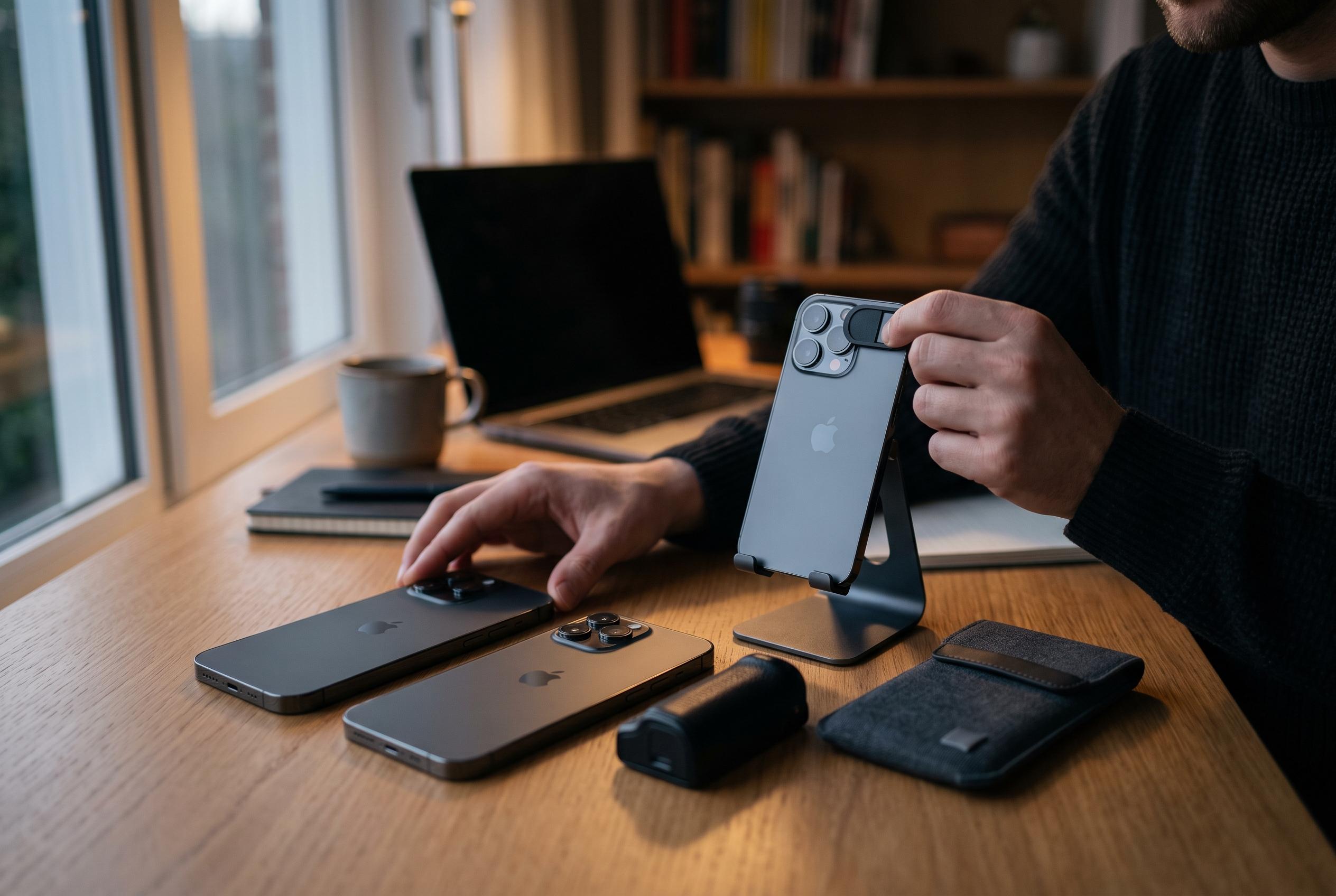

The 2026 flagship smartphone battle between Apple and Samsung sees the iPhone 18 Pro Max and Galaxy S26 Ultra competing fiercely over camera versatility, privacy features, and battery life, with new strengths and caveats shaping consumer choices.
In 2026, the premium smartphone contest is again being shaped by Apple and Samsung’s largest models. The iPhone 18 Pro Max and the Samsung Galaxy S26 Ultra sit at the top of their respective ranges, each built around a 6.9-inch OLED display, a flagship-class chipset and a camera system aimed at demanding users. According to TechRadar and other hands-on comparisons, the decision between them is less about raw specification and more about which type of flagship experience matters most: creative photography and battery endurance on the Apple side, or flexibility, stylus support and long-range zoom on the Samsung side.
On paper, the two phones are closely matched in the areas that most buyers notice first. Both use 120Hz displays and both were positioned at the same starting price of US$1,299 for 256GB models, although the iPhone extends much further in storage, reaching 2TB, while Samsung tops out at 1TB. That difference matters for users who keep large video libraries or shoot high-resolution media. The iPhone is also the heavier device at 249g, while the Galaxy S26 Ultra comes in at 214g and is noticeably slimmer, making it easier to handle over long sessions.
The display story is more nuanced than brightness figures alone. Apple’s panel is rated at a higher peak brightness, which should help in harsh outdoor light, but Samsung counters with a Privacy Display mode designed to obscure the screen from side angles. That is a practical feature for commuters, frequent travellers and anyone handling sensitive information in public. Samsung also continues to integrate the S Pen into the body of the phone, preserving a productivity tool that Apple still does not offer on the iPhone line.
Camera behaviour remains the clearest philosophical divide. TechRadar’s comparison notes that the iPhone’s variable aperture system gives the main camera a level of optical control unusual in a smartphone, allowing the user to alter depth of field more deliberately. Reviewers have also praised Apple’s more natural colour rendering and stronger front-camera performance. Samsung, by contrast, is built around reach and versatility, with 3x and 5x optical telephoto lenses and up to 100x digital zoom, making it the stronger option for distant subjects, travel photography and situations where framing matters more than tonal restraint.
There are, however, some caveats for buyers considering the iPhone 18 Pro Max. Tom’s Guide reported connectivity issues affecting AT&T versions of the device, with some units entering SOS mode or showing weak cellular service after eSIM changes. Apple and AT&T have been offering support, and in some cases hardware replacement has been required. The same publication also reported separate complaints about popping or crackling sounds from the speakers on some iPhone 18 Pro and Pro Max handsets. Those reports do not appear to affect every unit, but they are relevant for anyone treating the phone as a new purchase rather than a theoretical comparison.
Battery life and charging remain key strengths for both, yet Apple appears to have narrowed the gap in this generation. The lead article cites a 5,567mAh battery for the eSIM iPhone 18 Pro Max, versus 5,000mAh for the Galaxy S26 Ultra, with continuous-use tests favouring the iPhone by a small margin. Both support 60W wired charging, but Apple’s MagSafe ecosystem still gives it an advantage for accessories and magnetic charging convenience. Samsung, meanwhile, maintains its appeal through a lighter chassis, a pen input system and a more versatile camera package. In practical terms, the iPhone 18 Pro Max is the better fit for buyers who value battery life, controlled imaging and Apple’s wider ecosystem, while the Galaxy S26 Ultra remains the stronger choice for productivity, zoom photography and privacy-focused display features.
Disclaimer: This content is intended for informational purposes only. Readers are advised to exercise their own judgement, conduct due diligence, or consult a qualified expert before acting on any information provided.