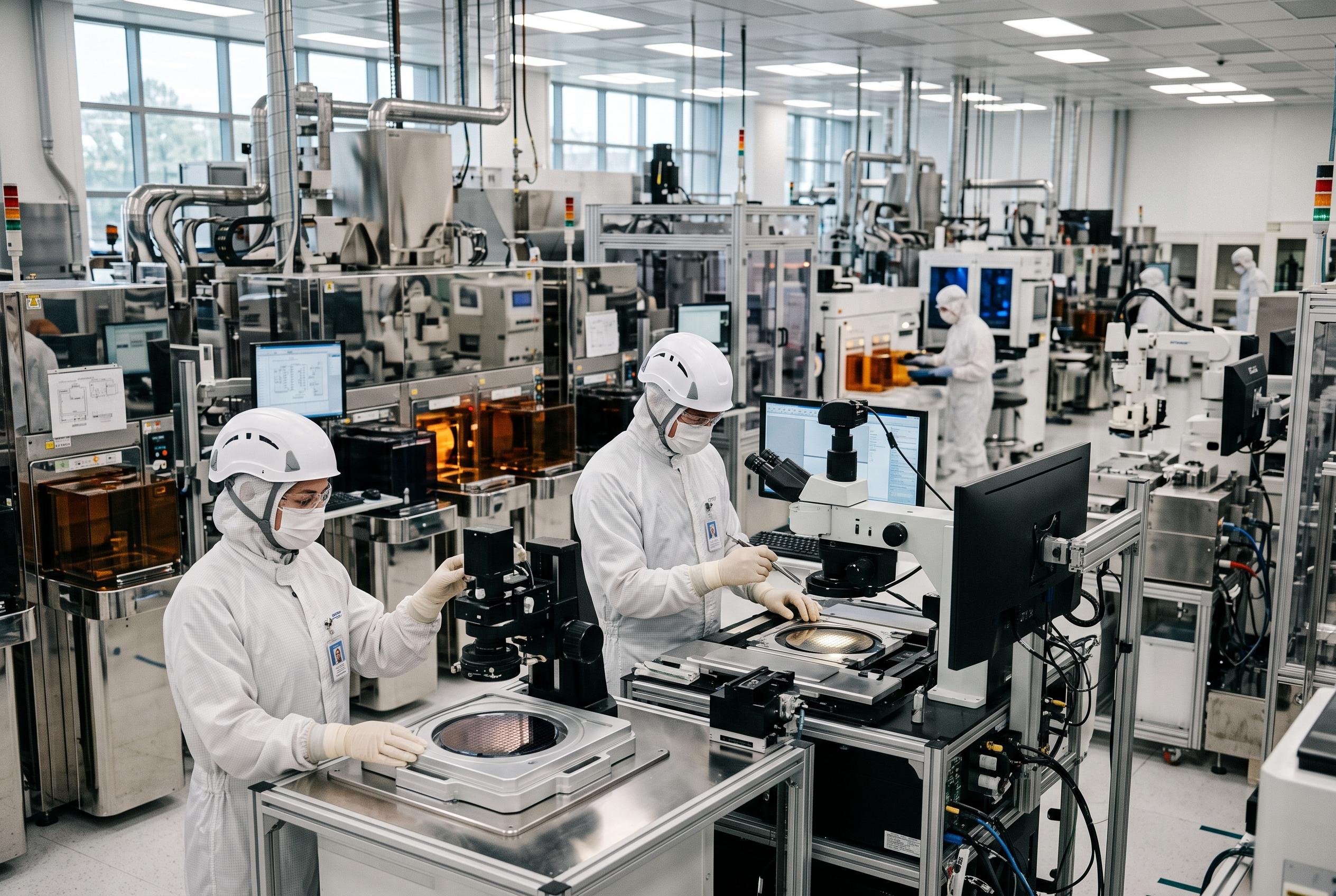

AMD is exploring having Samsung manufacture future chips as the semiconductor industry races to secure scarce memory, packaging and fabrication capacity.
AMD is exploring a broader relationship with Samsung as pressure on the memory market intensifies and chipmakers look for more resilient supply arrangements. Reuters, cited in the lead report, said AMD chief executive Lisa Su has discussed a possible foundry partnership in which Samsung would manufacture chips for future AMD devices, while also stressing the company’s reliance on the Korean supply chain. The move comes as the industry continues to confront a shortage that many executives now expect to last well beyond the near term.
The timing is significant because Samsung has already publicly framed the memory crunch as a long-running problem. In March 2026, Samsung announced a memorandum of understanding with AMD covering next-generation AI memory and computing technologies, including HBM4 for AMD’s Instinct MI455X graphics processors and advanced DDR5 products for EPYC processors and the Helios platform. That agreement suggested the relationship was already moving beyond simple component supply towards a deeper strategic alignment around AI infrastructure.
According to reports from Tom’s Hardware and Investing.com, Su’s visit to Seoul included meetings with executives from Samsung and SK Hynix, underlining AMD’s effort to secure additional high-bandwidth memory for its AI accelerators. The same reports said Samsung is keen to convert its memory relationship with AMD into foundry business for logic chips, which would give it a larger role in AMD’s manufacturing chain. For AMD, such a step would fit a wider strategy of reducing bottlenecks in both data-centre and graphics products by diversifying its manufacturing options.
The wider industry backdrop explains why these discussions matter. Samsung has repeatedly indicated that the RAM shortage could stretch to at least 2028, and the lead report said the company believes much of its 2027 memory supply is already committed. The article also noted that Micron has reportedly said its 2027 stock is exhausted, with some industry estimates suggesting the squeeze could run into the next decade before easing. Against that backdrop, AMD’s interest in Samsung looks less like a one-off procurement move and more like part of a broader race by semiconductor firms to lock in memory, packaging and fabrication capacity before demand tightens further.
Disclaimer: This content is intended for informational purposes only. Readers are advised to exercise their own judgement, conduct due diligence, or consult a qualified expert before acting on any information provided.