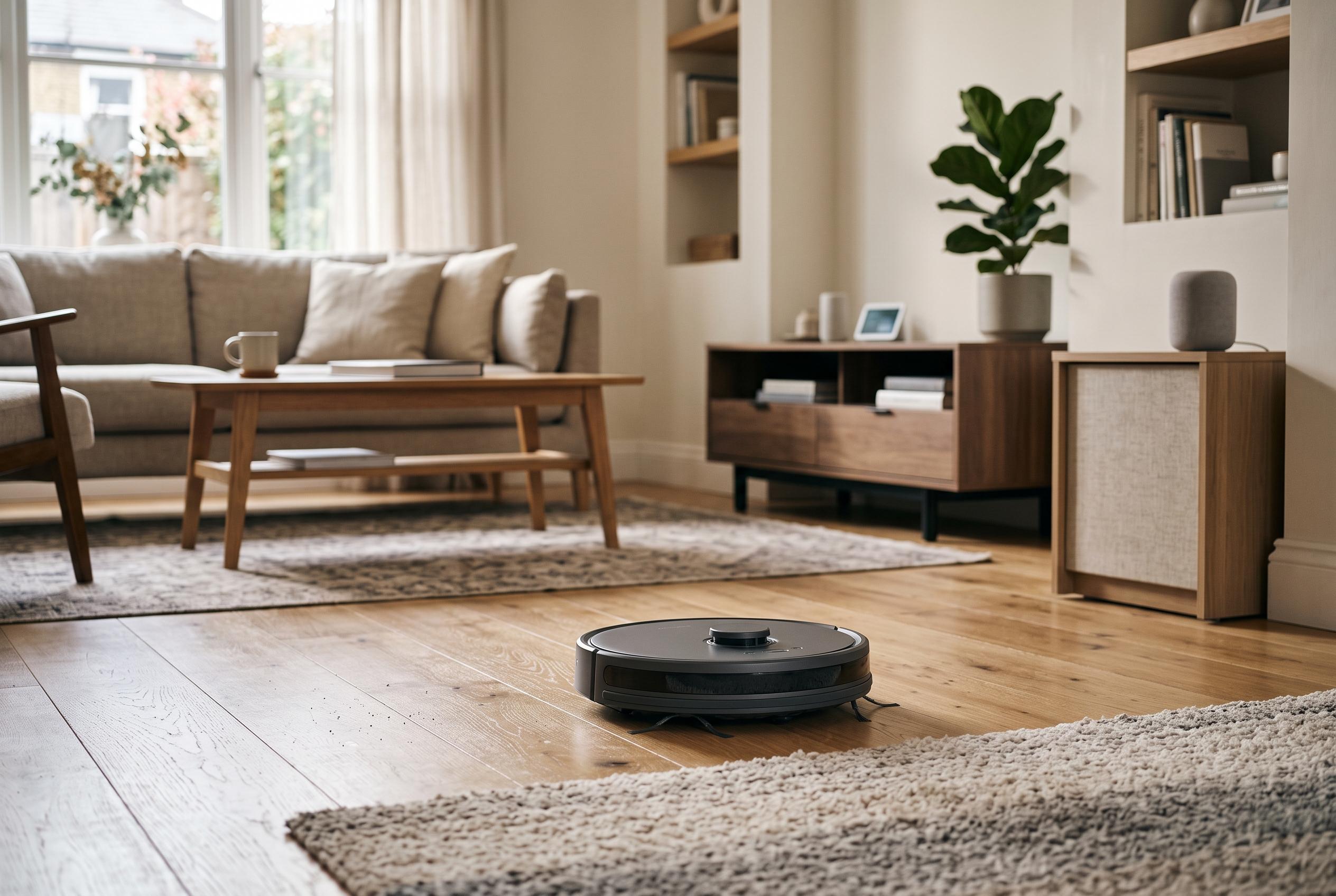

A security researcher found that exposed communication tokens may have allowed access to thousands of DJI Romo devices, renewing concerns over privacy risks in connected appliances.
Security gaps in connected home appliances are drawing fresh scrutiny after an artificial intelligence specialist said about 7,000 robot vacuum cleaners may have been exposed to remote camera and microphone access. The case, reported by Azernews, centres on a flaw discovered during an attempt to control one device with a game controller, which then appeared to reveal a weakness affecting many machines of the same model.
The incident reflects a wider pattern in smart-home security. TechRadar reported that the researcher, Sammy Azdoufal, found that private communication tokens were exposed in plain text on the server, allowing responses from thousands of DJI Romo devices across multiple regions. In practice, that kind of flaw can turn a single compromised account or device into a wider access point for household data, including live video, audio and home maps.
Similar concerns have also emerged in other robot vacuum systems. The IoT M2M Council reported a serious vulnerability in SharkNinja devices, where a certificate extracted from one compromised unit could be used to reach others in the same region. According to the council and Malwarebytes, the issue could expose camera feeds, stored home maps and Wi-Fi credentials, although SharkNinja patched the flaw on 20 July 2026.
Experts say robot vacuums are only one part of a much broader attack surface. Smart refrigerators, surveillance cameras, connected speakers and other internet-enabled appliances can also be vulnerable when manufacturers fail to harden software properly. Even where home routers block direct internet access to local devices, stolen passwords or compromised accounts can still provide a route in.
Security specialists recommend treating smart devices like any other networked computer. Tom’s Guide advises using strong, unique passwords, enabling two-factor authentication where available, keeping firmware updated automatically, placing devices on a separate network if possible and switching off remote-access features that are not needed. In homes where vacuums use cameras and sensors to map rooms and avoid obstacles, those precautions matter because a breach can reveal not just images but also layout data and patterns of daily use.
As more households fill with connected appliances, privacy is becoming a core buying criterion rather than an afterthought. Consumers are being urged to check a manufacturer’s update policy, review privacy settings before installation and think carefully about whether convenience is worth the data that a device may collect and transmit.
Disclaimer: This content is intended for informational purposes only. Readers are advised to exercise their own judgement, conduct due diligence, or consult a qualified expert before acting on any information provided.