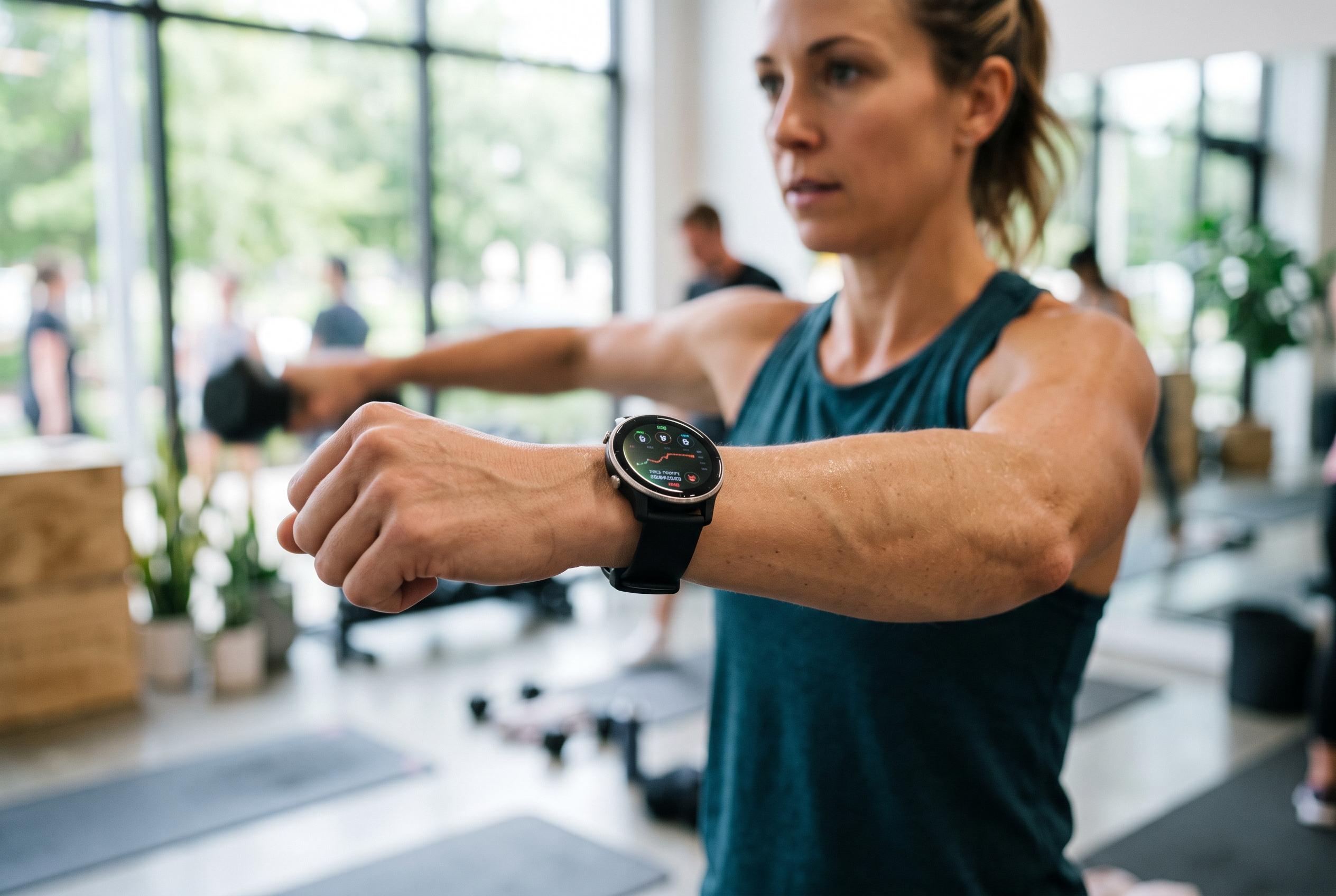

The standard Watch Fit 5 remains the value pick, but the Pro model adds a larger, brighter display, ECG monitoring and specialist sports features for buyers willing to pay more.
For readers weighing Huawei’s Watch Fit 5 against the Watch Fit 5 Pro, the real question is not only which model has the stronger specification sheet, but which one feels right on the wrist every day. ASCII.jp’s continuing review argues that the decision comes down to a balance between price, visibility, health features and how conspicuous the watch looks in ordinary use.
On appearance, the standard Watch Fit 5 takes the quieter route. It uses an aluminium case and a simple rectangular form that is easy to overlook at a glance. The Pro model adds a titanium-alloy bezel and a more polished side crown, giving it a noticeably richer finish, although not one that would place it in true luxury territory. Comparable hands-on reports from Notebookcheck and ComputerBase describe the Pro model as the more premium-looking watch, while still keeping the family resemblance intact.
Display quality is one of the clearest reasons to pay more. The Watch Fit 5 has a 1.82-inch panel, while the Pro model uses a 1.92-inch LTPO AMOLED display. Reviewers say the larger screen and higher peak brightness, at 3,000 nits versus 2,500 nits, make the Pro model easier to read outdoors and give text and interface elements more breathing room. MovilZona and GSMArena also note the Pro’s sapphire-front construction, which further reinforces the impression of a more durable, better-finished device.
The biggest functional divide is the ECG app. Huawei positions it as a Pro-only feature, and ASCII.jp notes that it offers a quick way to check for signs linked to atrial fibrillation, even if it is not a replacement for a full 12-lead hospital examination. That makes the higher-end model more attractive for people with heart-related conditions or those who simply want an additional health check on their wrist. For everyone else, the two watches share the more common health functions, including heart-rate monitoring, blood oxygen, sleep tracking and emotional status tracking.
For exercise, the gap is narrower than the price suggests. ASCII.jp says the new “mini stretch” feature behaves the same on both watches, and ordinary running or walking tracking does not justify the extra outlay on its own. The Pro model does gain more specialised workout support, including golf, diving and trail running, but users who do not practise those activities can likely make do with the standard version. The wider market comparison echoes that conclusion: the Watch Fit 5 is the value choice, while the Watch Fit 5 Pro is the better option for buyers who want the larger display, brighter panel and more advanced health and sport tools.
Disclaimer: This content is intended for informational purposes only. Readers are advised to exercise their own judgement, conduct due diligence, or consult a qualified expert before acting on any information provided.