
Xiaomi’s 399 yuan Smart Control Screen combines a touchscreen, voice assistant, smart-home hub and lighting relays, but heat, software glitches and neutral-wire requirements could limit its appeal.
Xiaomi’s 399 yuan Smart Control Screen is attracting attention for a simple reason: it is not just another wall panel, but an attempt to combine a touchscreen, a smart-home hub, voice control and hard-wired lighting control in one unit. The device is built to fit a standard 86 mm wall box, runs on HyperOS, uses Xiaomi’s Mesh 2.0 gateway, and is priced at about 399 yuan in China, according to Gizmochina, Notebookcheck and Gizchina. Those specifications make it easy to understand the appeal. The harder question for buyers is whether the product suits the way their home is wired and how they actually use their smart devices.
Early user feedback suggests that the debate is less about headline features than about practical trade-offs. In a review on SMZDM, owners described the unit as convenient, but also complained that it runs hot, that the alarm volume is too low, and that the sound settings are not easy to change. One post about a home fitted with several screens drew a large volume of comments relative to its likes, which suggests that the experience is widely shared rather than isolated. Another recurring complaint involved XiaoAi returning an error after answering a question, even when the device remained connected to the network. That points to a mix of hardware heat dissipation and software stability issues.
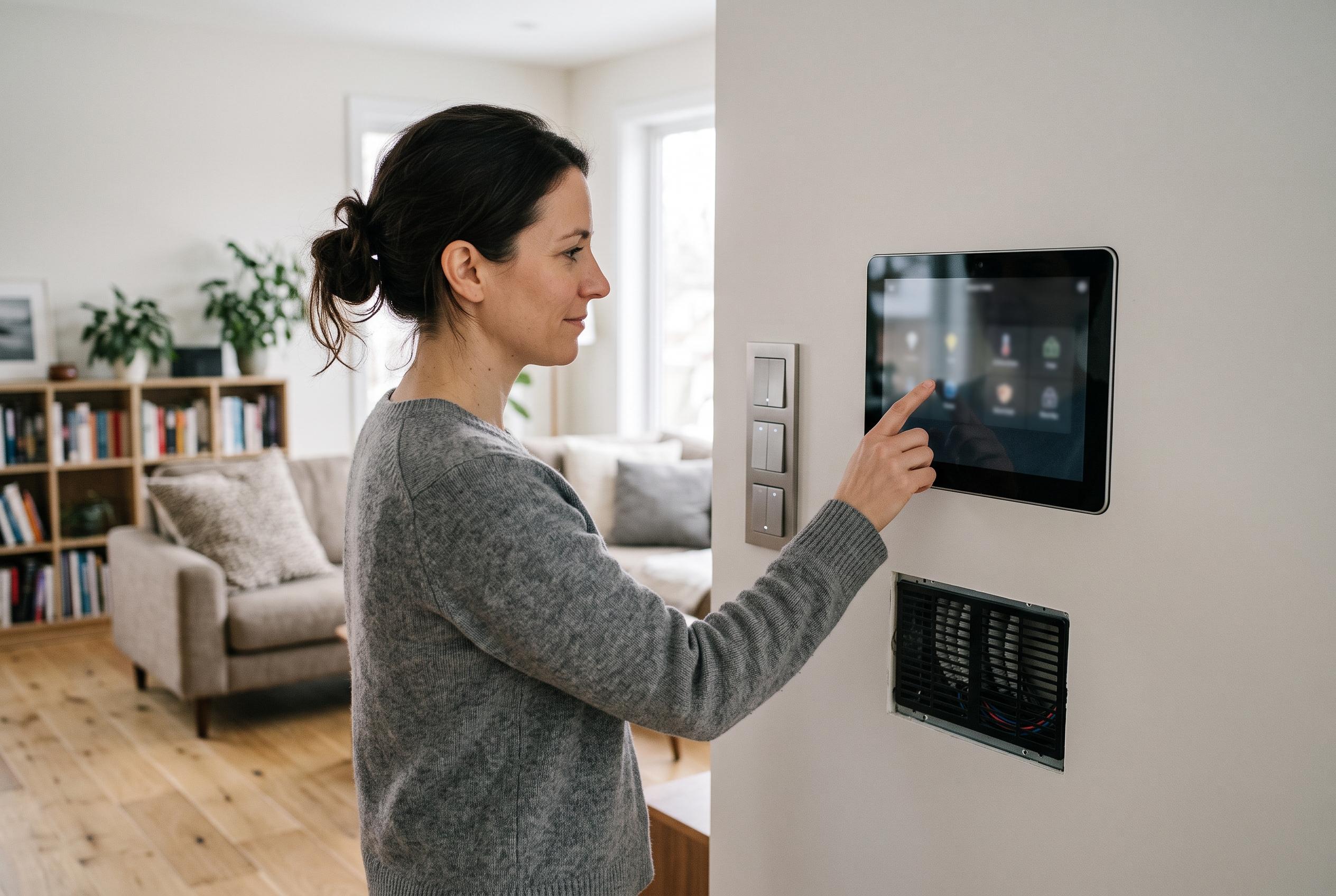
The product’s value proposition is broader than a screen alone. Xiaomi positions it as a home control point with a 3.83-inch full-screen touch display, multi-turn voice control, direct relay channels for lighting, and compatibility with more than 5,500 smart-home devices through Mesh 2.0, according to Gizmochina. It can also show camera, lock and doorbell feeds, which makes it more of a household command centre than a simple switch replacement. That combination explains why some reviewers say it makes most sense in an entrance hall, where leaving home, returning, checking the door and controlling lights often happen in the same place.
Yet installation remains the real filter. The screen requires a zero-live wire configuration, so homes without a neutral wire in the wall box cannot install it directly. That restriction is likely to matter more than any software feature for many buyers in finished homes. Xiaomi does offer a desktop base for cases where wall installation is not possible, but that changes the product from an integrated wall control point into a separate counter-top device. The panel also needs sufficient depth in the back box, and reviewers warn that pairing it with nearby switches can create alignment issues if the rest of the wall hardware is not matched carefully.
Taken together, the Smart Control Screen looks less like an impulse purchase and more like a wiring decision. For homes already set up for it, the combination of display, hub and relay control may justify the price. For everyone else, the practical hurdles are likely to outweigh the convenience. The more useful way to judge it is not whether it sounds advanced, but whether a home actually needs another screen in the first place.
Disclaimer: This content is intended for informational purposes only. Readers are advised to exercise their own judgement, conduct due diligence, or consult a qualified expert before acting on any information provided.