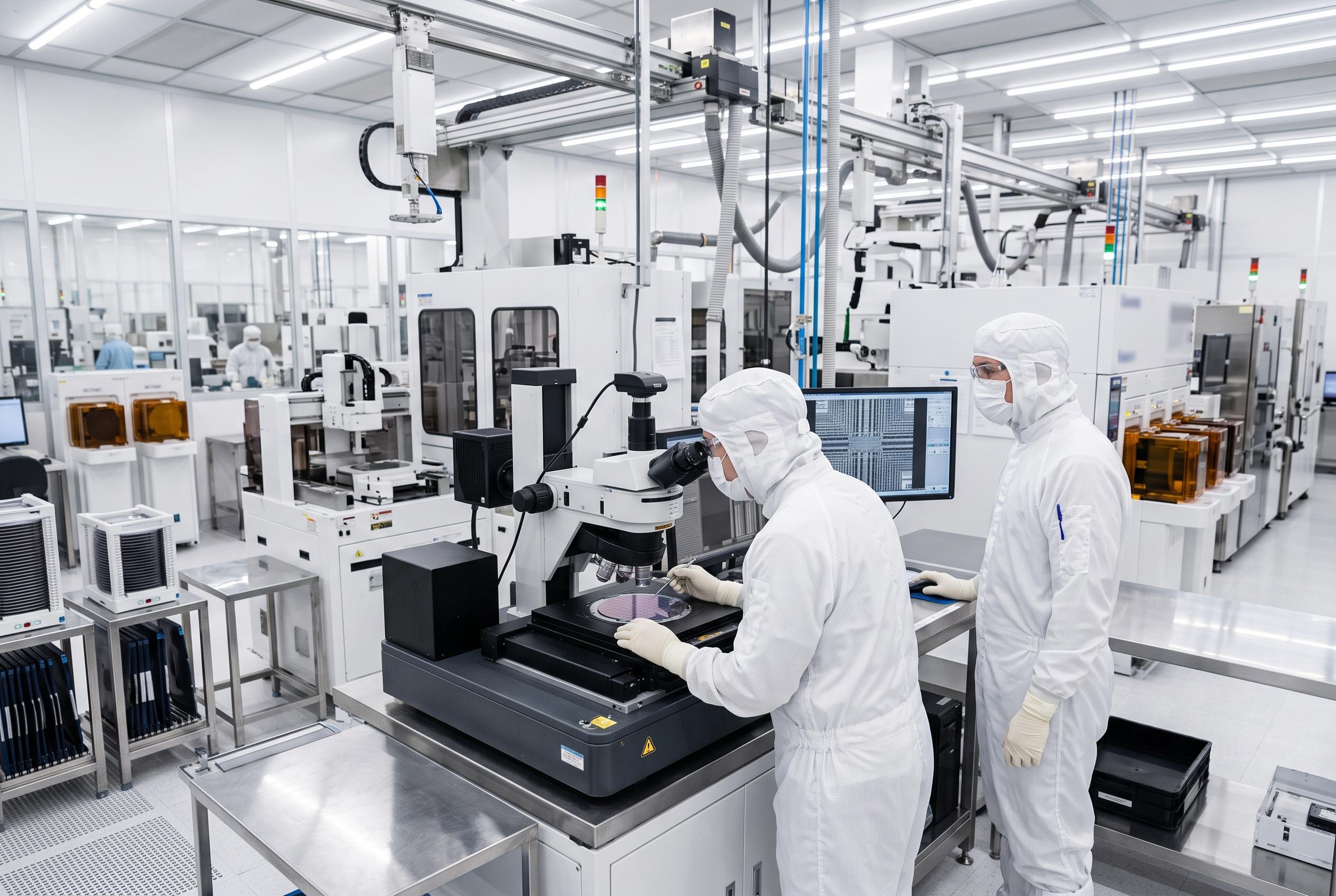

Samsung Electronics and Samsung Electro-Mechanics will direct nearly 8tn won of a planned 12.26tn won investment towards Vietnamese testing and substrate facilities, while retaining more technically demanding chip production in South Korea.
Samsung’s chip affiliates are preparing a fresh wave of investment that underscores how the group is splitting its semiconductor work between South Korea and Vietnam, with the most technically demanding production staying at home and more labour-intensive operations moving abroad.
According to reporting by The Korea Herald, the combined plan from Samsung Electronics and Samsung Electro-Mechanics amounts to 12.26 trillion won, or about $9.15 billion. Nearly 8 trillion won of that is directed at Vietnam, where Samsung Electronics is planning new memory chip testing facilities in Thai Nguyen province and Samsung Electro-Mechanics is expanding production of advanced chip substrates used in artificial intelligence servers.
Samsung Electronics is understood to be building two testing lines at Yen Binh Industrial Park in Thai Nguyen. The first is expected to begin operating in the final quarter of 2027, with the second due in 2028. The facilities will perform final checks on DRAM and NAND chips after packaging at Samsung’s Cheonan plant in South Korea, indicating that the company is expanding back-end capacity overseas rather than moving wafer fabrication out of the country.
Reuters reported in May that Samsung Electronics had already been pursuing a Vietnamese chip testing project with a proposed cost of 39 trillion dong, or about $1.5 billion, and an expected start date in November 2027. The later reporting suggests the company has refined that plan and is pressing ahead with a broader investment push in the same industrial park. Samsung has not publicly detailed how testing work will be divided between Vietnam and South Korea.
The broader strategy appears designed to preserve higher-value functions, including high-bandwidth memory production, in South Korea while transferring more standard memory work to Vietnam, according to the Korean report citing an academic source. That approach reflects a wider pattern in Samsung’s supply chain, in which overseas sites absorb capacity expansion while domestic plants retain more technically sensitive stages of production.
Samsung Electronics is also expected to fund a substantial share of the Vietnamese project from reinvested local profits, underlining the scale of its operations in the country. Samsung Electro-Mechanics, meanwhile, said on September 29 that it will invest 6.78 trillion won to expand its flip-chip ball grid array substrate business, with 4.27 trillion won going to Sejong in South Korea and 2.51 trillion won to Vietnam. In its statement, the company said the programme is aimed at meeting demand for AI server substrates.
Those substrates are increasingly important because they connect high-performance processors to circuit boards and must handle greater complexity as AI systems become more powerful. Samsung Electro-Mechanics expects mass production at its expanded Sejong site in September 2028, while the Vietnamese expansion is scheduled to be completed and operational by June 2030. The company says the investment is supported by customer commitments and financing assistance, which should help limit upfront risk.
Even so, the impact of Samsung Electronics’ new Vietnamese testing lines on its South Korean operations remains uncertain. The distinction matters, industry observers say, because building factories abroad does not automatically create a local semiconductor ecosystem. The key question is whether Vietnam can develop a stronger base of suppliers and equipment makers, or whether it will remain primarily a location for additional assembly and testing capacity.
Disclaimer: This content is intended for informational purposes only. Readers are advised to exercise their own judgement, conduct due diligence, or consult a qualified expert before acting on any information provided.