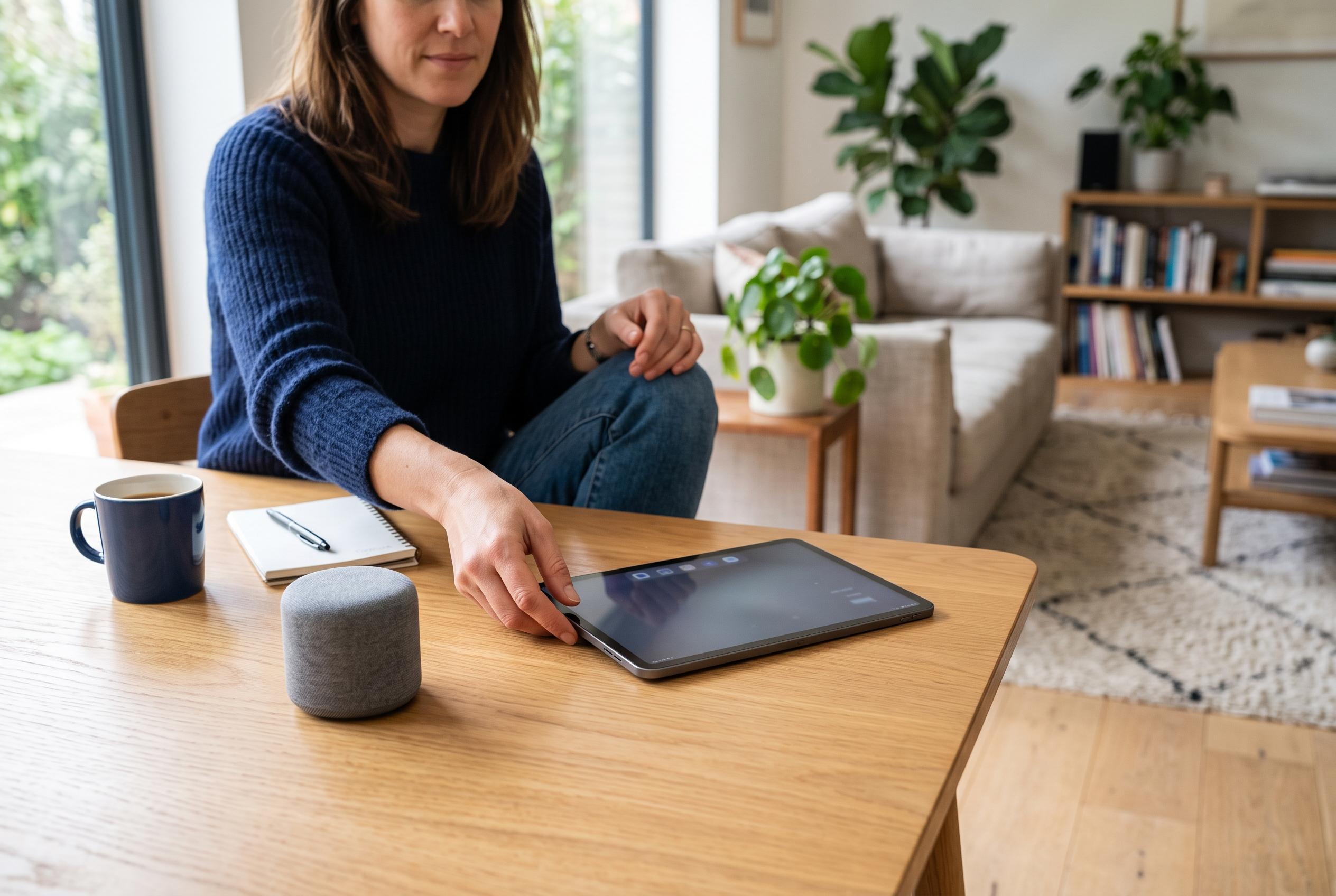

Amazon is replacing its budget-focused Fire tablet strategy with a premium Android line-up featuring Google Play, aluminium designs and Alexa+ in a bid to regain ground in a shrinking market.
Amazon has moved decisively upmarket with a new range of tablets that abandon its long-standing Fire platform and run a full version of Android. The company’s Alexa Tablet series is designed to address one of the biggest complaints about its earlier devices: a limited app ecosystem. By adopting Google Play support and pairing it with Alexa+, Amazon is trying to make its tablets feel less like cheap gateway devices and more like credible rivals to Apple and Samsung. According to Amazon’s announcement and early hands-on coverage, the change is as much about software as hardware, with a clearer emphasis on productivity, entertainment and premium build quality.
The line-up consists of three models: the Alexa Tablet 8, Alexa Tablet 11 and the flagship Alexa Tablet 12 Pro. Amazon says the devices use aluminium unibody construction rather than the plastic casings associated with its Fire range, and the top model adds an optional Nanomatte display intended to cut reflections. What was previously a budget-first portfolio now spans a far wider price range, with the new tablets positioned roughly between $230 and $550. That places the most expensive model directly in the same conversation as mainstream iPads and higher-end Samsung tablets.
The hardware specification also marks a sharp break with Amazon’s previous tablets. The Alexa Tablet 12 Pro uses MediaTek’s Dimensity 8400 chip, while the smaller models rely on the MT8189 processor. Early reports from What Hi-Fi, TechRadar, T3 and PhoneArena describe a 12-inch display with a 120Hz refresh rate, up to 16GB of RAM, up to 256GB of storage, stereo speakers and Android 16 on the flagship device. Amazon has also said the tablets integrate core services such as Prime Video, Kindle, Audible and Amazon Music, underlining that the company is not retreating from its own ecosystem so much as rebuilding it on top of Google’s software base.
Alexa+ sits at the centre of the new strategy. Amazon presents the assistant as a more capable layer for answering queries, handling tasks and offering hands-free support, but access is tied to Prime membership or a separate subscription. That subscription requirement matters, because it shows Amazon is not simply selling hardware; it is extending the logic it has long used across its devices business, where the device itself helps lock customers into paid services. Reuters has previously reported that Amazon often priced devices at or below cost to draw users into its wider digital ecosystem, even if that approach came at the expense of hardware differentiation.
The timing also reflects a difficult market position. IDC data cited in the lead report shows Apple controlled 34% of global tablet shipments in the second quarter of the year, Samsung held 17.5%, and Amazon’s share fell to 1.9% from 8% a year earlier. Overall shipments dropped 12% year on year to 33.6 million units, indicating a market that remains under pressure. In that context, Amazon’s shift away from Fire OS and towards a more open Android tablet is best read as an attempt to reset its place in a shrinking category, not merely to refresh an ageing product line.
Disclaimer: This content is intended for informational purposes only. Readers are advised to exercise their own judgement, conduct due diligence, or consult a qualified expert before acting on any information provided.