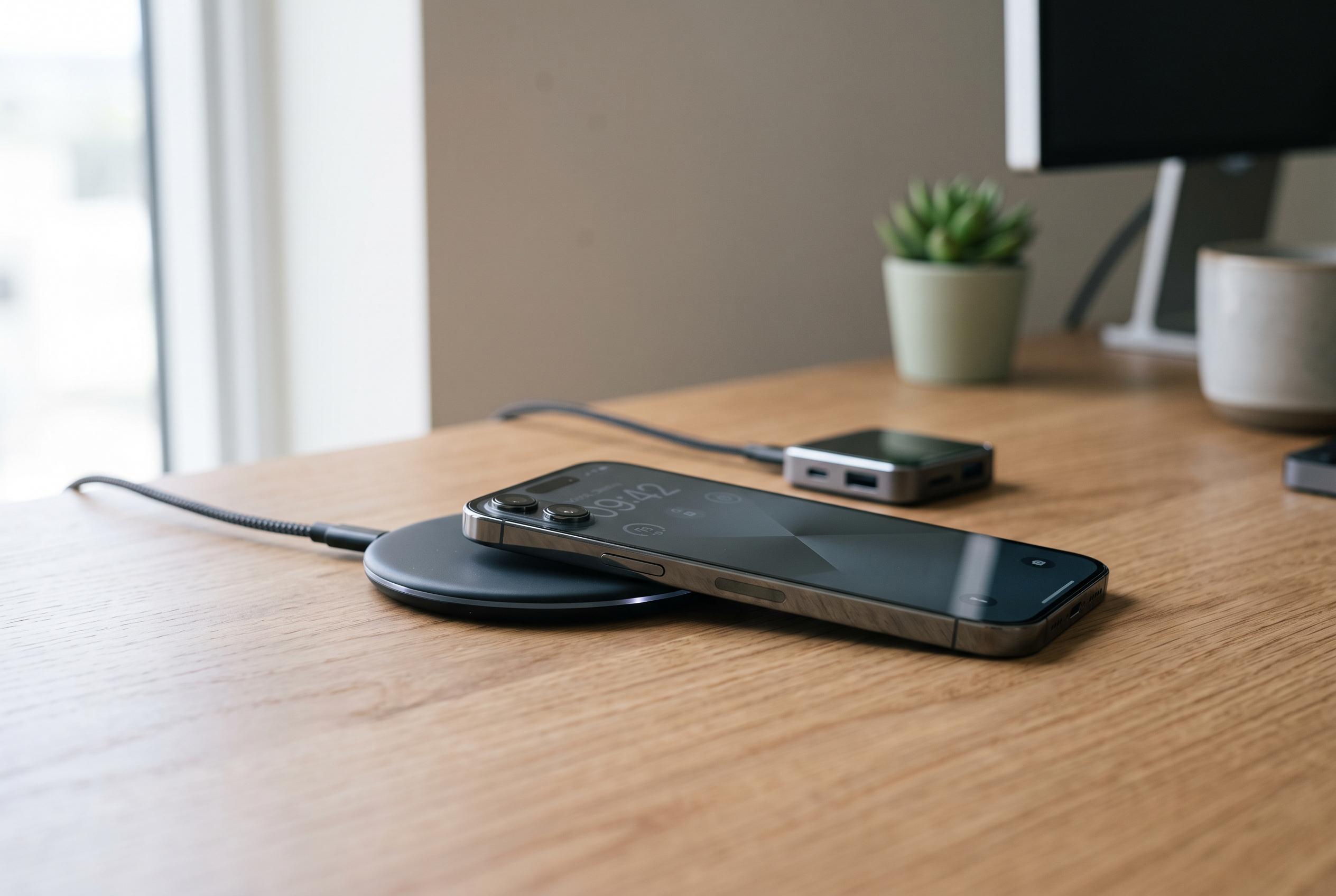

Independent testing gives Samsung’s flagship the edge in battery life, charging and processing power, but its US price increase narrows the value advantage over Google’s Pixel 11 Pro XL.
Samsung’s Galaxy S26 Ultra now has the clearer advantage in a direct comparison with Google’s Pixel 11 Pro XL, at least on the measured evidence available from independent labs. Tom’s Guide found that Samsung’s flagship lasted longer in its web-browsing battery test despite carrying a slightly smaller battery, while benchmark results showed a sizeable lead in both single-core and multi-core performance. The Galaxy also offers an extra 3x telephoto lens and an S Pen, giving it broader hardware reach for users who want a more versatile all-round device.
That verdict has changed partly because Samsung raised its US prices on 1 October. According to Android Authority, the company added $100 to the 256GB and 512GB versions and $200 to the 1TB model, which means the Galaxy S26 Ultra now starts at $1,399.99 in the US, while the Pixel 11 Pro XL remains listed from $1,299. Memeburn notes that the gap is wider still at higher capacities, although street prices have moved around enough that sale pricing can reverse the relationship at checkout.
Battery life is one of the strongest arguments for Samsung. Tom’s Guide measured the Galaxy S26 Ultra at 16 hours 10 minutes in a web-surfing test over 5G at 150 nits, compared with 14 hours 28 minutes for the Pixel 11 Pro XL. PhoneArena reported a larger gap in its own browsing test and found that Samsung also held up better in gaming, although the Pixel did win that site’s video playback test by about 90 minutes. The pattern suggests that the Galaxy’s newer Snapdragon platform is extracting more useful runtime from a battery that is slightly smaller on paper.
Samsung’s efficiency gains appear to carry through to charging as well. Tom’s Guide recorded the Galaxy reaching 77% in 30 minutes, versus 54% for the Pixel, while PhoneArena logged a similar pattern and gave Samsung the faster full charge time. The exact figures vary by lab, but both tests point in the same direction: the Galaxy recharges more quickly and finishes first, even if the Pixel’s larger 5,115mAh battery gives it a modest capacity advantage.
Performance is where the gap becomes harder to ignore. In Tom’s Guide’s Geekbench 6 testing, the Galaxy S26 Ultra scored 3,785 in single-core and 11,563 in multi-core, against 2,713 and 7,453 for the Pixel 11 Pro XL. PhoneArena’s graphics testing widened the separation further, with the Galaxy more than doubling the Pixel’s 3DMark Steel Nomad Light score. For everyday messaging, browsing and photo editing, the difference may not feel dramatic, but it is likely to matter more for demanding games and for owners who keep phones for several years.
The Pixel still has a credible case in display and imaging. Google rates the screen at up to 3,600 nits, and Tom’s Guide measured a higher peak brightness than Samsung’s in testing, even though Android Central reported that the Galaxy’s new Privacy Display may be responsible for a slight drop in measured brightness. The Pixel also has the higher-resolution 42MP front camera, while Samsung counters with more rear-camera flexibility thanks to both 3x and 5x telephoto lenses. That makes the choice less about a single winner and more about which compromises matter most: the Pixel favours brightness, selfie quality, built-in Qi2.2 magnets and lower list prices at some storage tiers, whereas the Galaxy offers longer battery life, faster silicon, more zoom flexibility and an S Pen.
Disclaimer: This content is intended for informational purposes only. Readers are advised to exercise their own judgement, conduct due diligence, or consult a qualified expert before acting on any information provided.