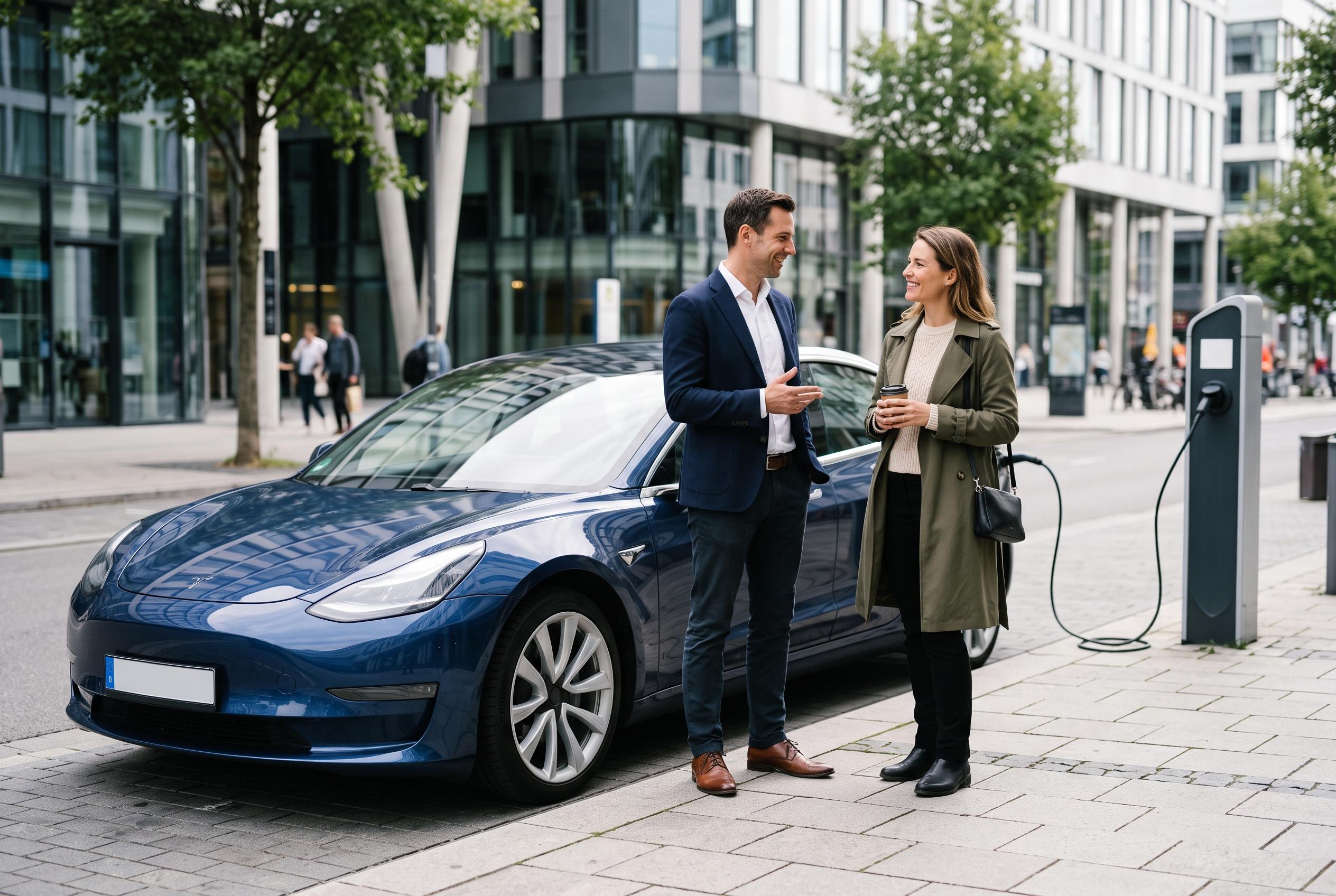

A Carwow comparison finds the BYD Seal offers substantially lower purchase, used-car and leasing costs, while the Tesla Model 3 retains its edge on range, efficiency and charging.
The Tesla Model 3 and BYD Seal are shaping up as two of the most closely matched electric saloons on the UK market, but Carwow’s comparison suggests the Chinese car has a stronger case on value. Siobhan Doyle’s analysis set the pair against each other on equipment, purchase price, used prices and lease costs, using similarly specified versions with large batteries and comparable list prices. The Tesla Model 3 Premium was priced from £46,290, while the BYD Seal Design started at £45,730.
On specification, the two cars are not far apart, but they appeal in slightly different ways. Carwow found the Tesla offered more claimed range, at 466 miles, alongside a rear-seat display, heated rear and front seats, eight exterior cameras and a larger set of range-oriented features. The BYD countered with Apple CarPlay and Android Auto, a 360-degree camera and a 12-speaker Dynaudio system, while still including a panoramic glass roof, dual wireless phone charging and heated front seats. Other comparison guides reach broadly the same conclusion: the Tesla tends to lead on efficiency, charging and range, while the BYD scores well on equipment and cabin technology.
The sharper difference emerges when finance is included. Carwow based its new-car calculations on a three-year PCP agreement, 10,000 miles a year and a £5,000 deposit, using the manufacturers’ own deals at the time of writing. The Tesla was shown with 2.9% APR, while the BYD Seal carried 1.9% APR, a fixed annual interest rate of 0.98%, plus a £1,881 deposit contribution and £2,401.66 in customer savings. On those terms, Carwow said the BYD worked out at almost £4,500 less overall, underlining how manufacturer incentives can matter as much as list price.
The same pattern appeared in the used-car market. Carwow compared 2025 examples of both models, each with under 15,000 miles, and found a used BYD Seal listed at £29,450 against £37,990 for a Tesla Model 3 Premium. The Tesla example had covered 14,089 miles, compared with 9,005 miles for the BYD. CarWow also pointed out an important caveat: the Tesla has been on sale in the UK since June 2019, whereas the Seal arrived only in November 2023, so the Tesla’s wider second-hand market offers more choice and, potentially, more scope to find a better deal.
Leasing told a similar story. Based on a three-year contract, 10,000 miles per year and a 12-month initial rental, Carwow listed the Model 3 Premium at £528.64 a month with a £6,638.68 initial payment, giving a total cost of £25,141.08. The BYD Seal was quoted at £327.19 a month, with £4,274.28 upfront and a total of £15,725.93. That left the Seal almost £9,500 cheaper over the term, making it the stronger option for drivers who prioritise monthly affordability over maximum range.
Carwow’s conclusion was that the BYD Seal offers better value across purchase, ownership and leasing, even though the Tesla Model 3 remains the more established product and the more efficient long-range choice. Independent comparisons elsewhere broadly support that trade-off: the Tesla has the advantage of Tesla’s charging network and faster charging in some use cases, while the BYD is often praised for its warranty and kit. For buyers weighing badge appeal against running costs, the key point is that the cheaper car on paper is not always the weaker one in practice.
Disclaimer: This content is intended for informational purposes only. Readers are advised to exercise their own judgement, conduct due diligence, or consult a qualified expert before acting on any information provided.