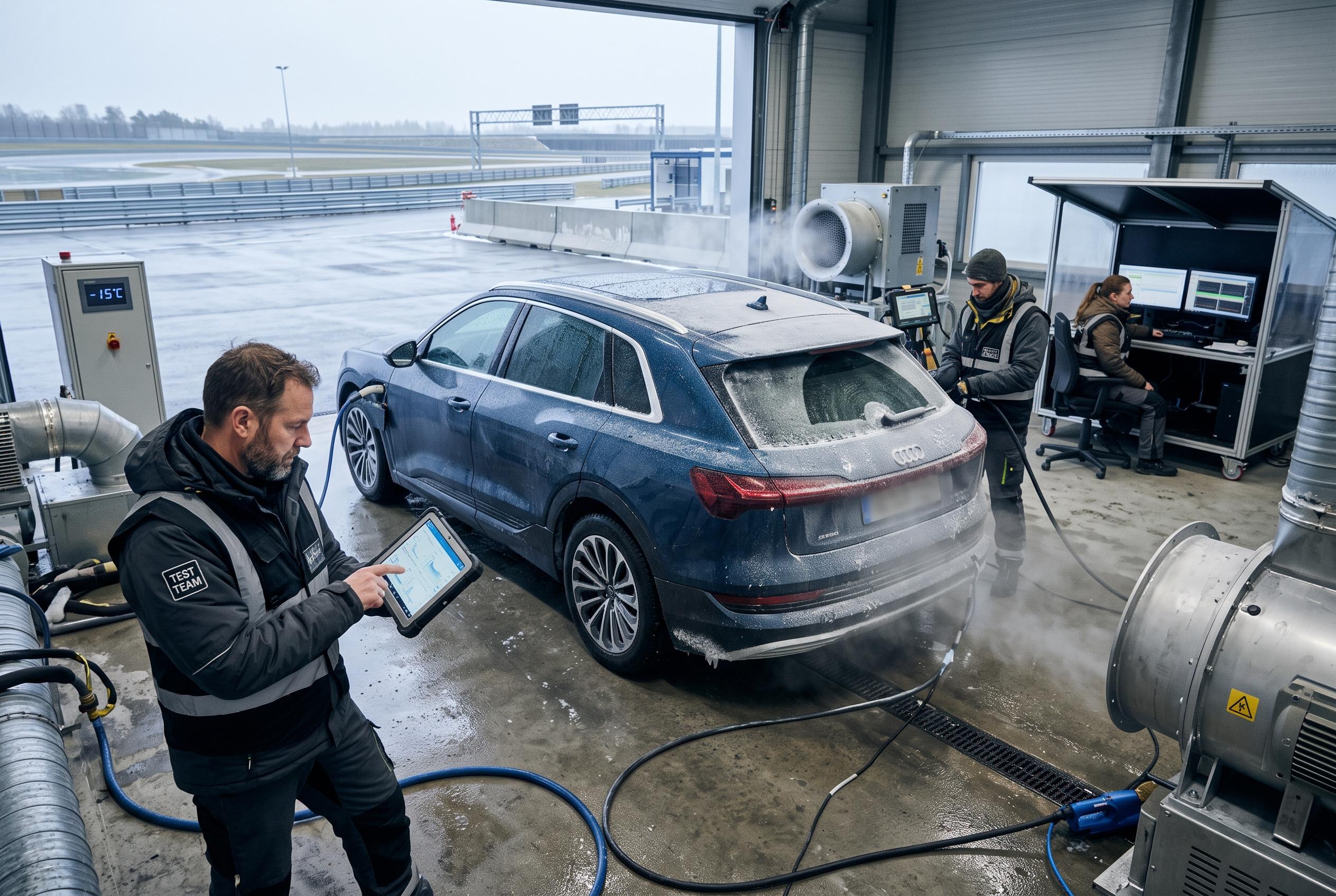

Draft rules would require new energy vehicles to undergo at least 30,000km of reliability testing and a full year of trials in hot and cold conditions before approval.
China is moving to tighten oversight of electric vehicles and other new energy vehicles, in a sign that regulators want to slow an industry habit of rushing cars to market before they have been tested thoroughly in real-world conditions. According to draft rules released by the Ministry of Industry and Information Technology and three other departments, the aim is to stop innovative designs with safety risks from reaching consumers before they have been properly validated.
The proposed framework goes beyond broad safety language and sets out more concrete expectations for design and testing. Reporting by local technology and auto outlets says the draft would require stronger scrutiny of elements such as screen design, seat movement and voice-operated functions, while also demanding reliability testing over at least 30,000 km and a full year of hot and cold weather trials before approval. The rules were published for public comment on 10 October 2026, underscoring how quickly the issue has risen up Beijing’s regulatory agenda.
The tougher stance follows growing concern over vehicles that appear to have been brought to market too quickly, with software updates then used to address flaws after launch. That criticism has intensified after reports of problems involving the Maextro V800, a luxury electric model developed by Huawei and JAC, although the cause has not yet been confirmed through an official investigation. Industry voices quoted by Chinese media have also warned that consumers should not bear the cost of shortened development cycles.
Engineers and academics say the problem is not simply a matter of paperwork but of time. A vehicle programme normally needs repeated testing of braking, steering, handling stability, ride comfort, power delivery and energy consumption, together with trials in high heat, extreme cold and high-altitude conditions. Tongji University professor Zhu Xichan has said a full road-testing programme should span two winters and two summers, which helps explain why regulators are now pushing for more disciplined development timelines.
Disclaimer: This content is intended for informational purposes only. Readers are advised to exercise their own judgement, conduct due diligence, or consult a qualified expert before acting on any information provided.