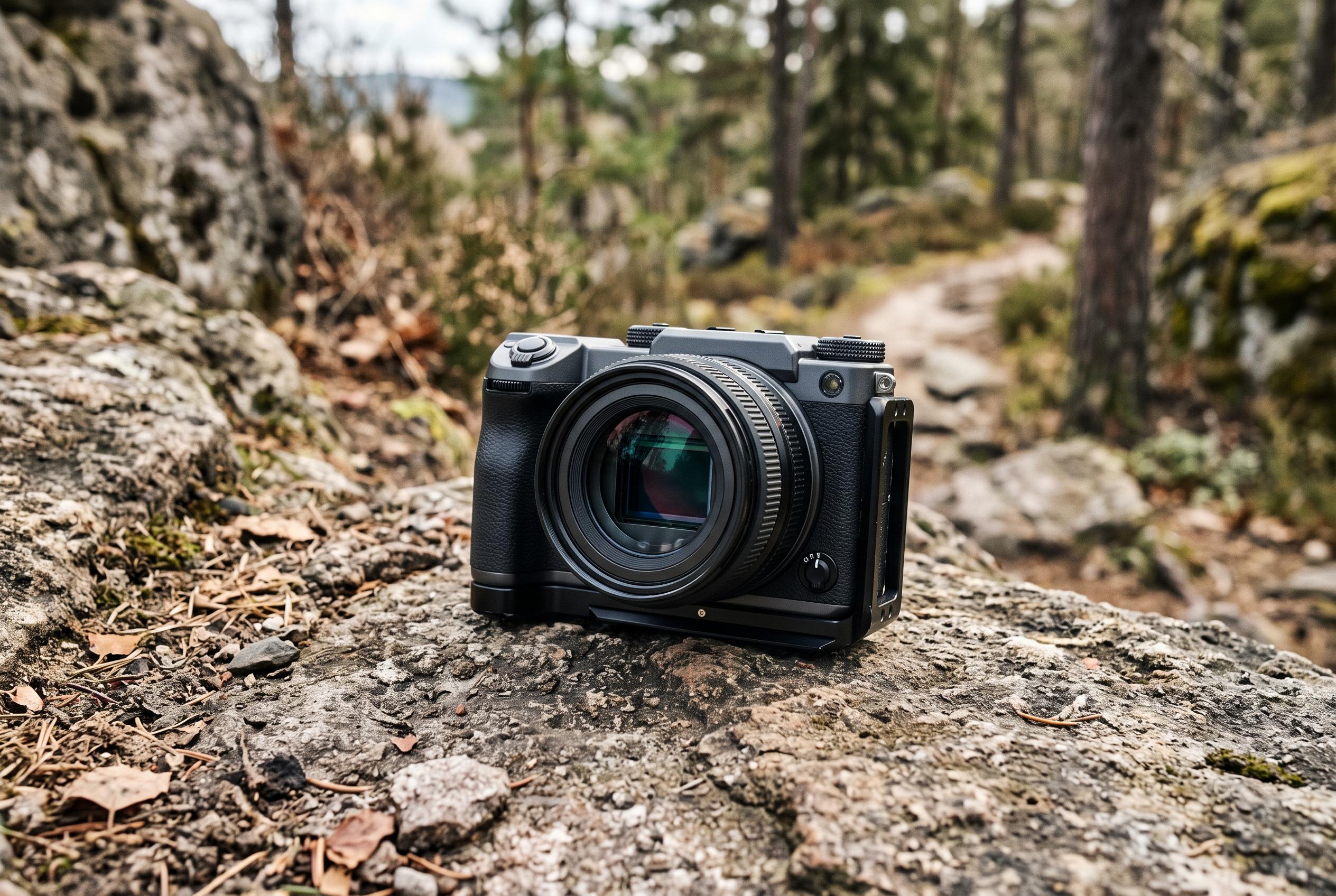

GoPro’s new MISSION 1 Pro brings a 1-inch sensor, 8K recording, 4K slow motion and professional-grade workflow features to a compact body designed for serious creators.
GoPro has spent years refining the HERO line, but the MISSION 1 Pro marks a more decisive shift. According to recent reviews, it is intended as a compact cinematic camera rather than another incremental action model, and that distinction matters. The camera combines a new 1-inch, 50-megapixel sensor with GoPro’s GP3 processor, pushing video capture to 8K at up to 60fps, 4K at 240fps and 8K Open Gate recording for more flexible reframing in post.
That broader remit is reflected in the hardware. Tom’s Guide and other reviewers note a brighter OLED rear display, a more robust body and waterproofing to 66 feet, or 20 metres, without a housing. The fixed-lens models remain recognisably GoPro in shape and handling, but the MISSION 1 Pro is larger and heavier than the HERO13 Black, at 207 grams, which is the trade-off for the bigger sensor, larger battery and expanded thermal headroom.
Image quality appears to be the main justification for the new system. The larger sensor is credited with noticeably better low-light performance, improved dynamic range and more natural-looking footage than recent HERO cameras could manage. Reviewers say the camera holds highlight detail more effectively, preserves shadow information and produces cleaner results in dim interiors and after dark, even if it still cannot rival a larger mirrorless or cinema body with fast glass.
The video feature set is aimed squarely at creators who need flexibility after the shoot. According to the reviews, the camera supports 10-bit capture, GP-Log2, HLG HDR and bit rates up to 240Mbps, while Open Gate recording gives editors extra room for vertical and horizontal deliverables. That is increasingly important for productions that need one clip to serve YouTube, short-form social platforms and client cut-downs without reshooting.
Slow motion is another headline strength. Tom’s Guide and Digital Camera World both highlight 4K at 240fps, while the broader test field points to 1080p burst capture at up to 960fps for short moments. Those modes are clearly limited by lighting and file size, but when conditions are right they offer a level of motion analysis and creative stylisation that is unusual in a camera this small.
Audio and workflow features have also been pushed further than on previous GoPros. Reviewers point to a four-microphone array, 32-bit float recording, USB-C audio support and wind reduction that make the camera more usable for self-contained production work. Battery life is reported to be stronger than many rivals, with quoted endurance extending to more than five hours at 1080p30 in favourable settings, although the highest-resolution modes still demand more storage, more processing power and more planning.
That is why the MISSION 1 Pro is being presented as a tool for professionals rather than casual users. Reviewers generally agree that its value lies in getting high-end footage from a body that can be mounted where a larger camera cannot go, while still matching more easily with a serious multi-camera workflow. The price is high, and the fixed lens limits creative control, but the camera seems to justify its position by solving problems that the HERO line could only partly address. GoPro has not replaced its action-camera range; it has opened a new branch of it.
Disclaimer: This content is intended for informational purposes only. Readers are advised to exercise their own judgement, conduct due diligence, or consult a qualified expert before acting on any information provided.