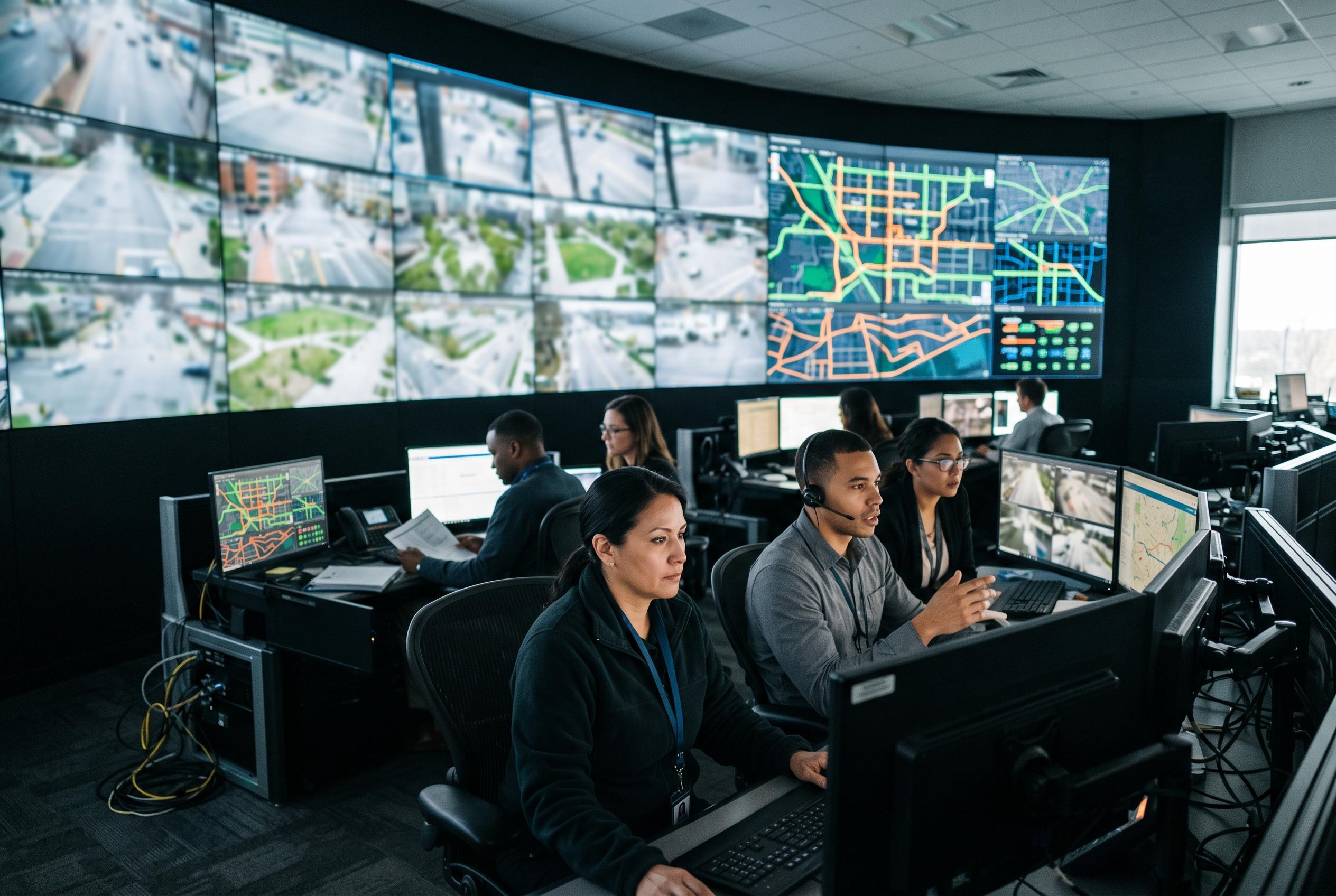

Credentials and operational data linked to more than 58,000 cameras were reportedly left online for about 11 months, intensifying scrutiny of São Paulo’s expanding surveillance system.
A leak involving São Paulo’s Smart Sampa surveillance network has raised fresh questions about the security of one of Brazil’s largest city monitoring systems, as state prosecutors opened an inquiry on the same day the breach became public. According to UOL’s investigation, access credentials and operational data remained exposed on the open internet for about 11 months, creating a route into live images from more than 58,000 cameras across the city.
The material reportedly included 181 usernames and passwords, along with records linked to more than 6,000 security agents and instructions for using the system on computers and mobile devices. UOL said its reporters used that information to build a map-based interface that could browse camera feeds across São Paulo, including images from private cameras in Campos Elíseos, in the city centre, as well as footage from health units and daycare centres.
The report also said some of the credentials provided direct access to the platform without a second verification step, and that search tools could be used with names, tax numbers, vehicle plates and incident records. Public-security specialist Rafael Alcadipani told G1 that such exposure could help a kidnapper identify a target or allow criminals to track police vehicles, while another expert quoted by UOL warned that some interfaces might even permit false facial-recognition or number-plate records to be inserted.
São Paulo city hall acknowledged that data had leaked, but rejected the idea that the system itself had been compromised. In a written note, the administration said the episode was the result of an illegal act by one of the municipal guard’s more than 7,500 agents, who was identified, suspended and placed under internal investigation. The city also said the repository had been taken offline and insisted that its own records did not show the access passwords described by UOL, pointing instead to unique passwords, two-factor authentication and SMS codes for password changes.
The city further argued that Smart Sampa is overseen by the municipal audit court and that prosecutors receive transparency reports every six months. It also said cameras installed in public buildings are meant to cover only common areas, not consulting rooms or patient areas, and stressed that a camera capture does not automatically mean that a person has been identified by facial recognition. The statement accused UOL of mischaracterising the episode as a systems failure.
The wider controversy comes at a sensitive political moment. Smart Sampa, launched in 2024 under Mayor Ricardo Nunes, is part of a broader security model that has become highly visible in Brazil’s national debate. Conservative presidential hopeful Flávio Bolsonaro has proposed a national facial-recognition scheme inspired by programmes such as Smart Sampa and the state government’s Muralha Paulista, making the leak more than a municipal scandal. It now feeds into a broader argument over how much surveillance infrastructure is acceptable, who controls it, and how much independent oversight exists when sensitive data is involved.
Disclaimer: This content is intended for informational purposes only. Readers are advised to exercise their own judgement, conduct due diligence, or consult a qualified expert before acting on any information provided.