
Researchers show that ordinary connected appliances can collectively run an AI model, highlighting how cheap hardware could fuel more adaptive attacks as governments tighten controls on foreign AI tools.
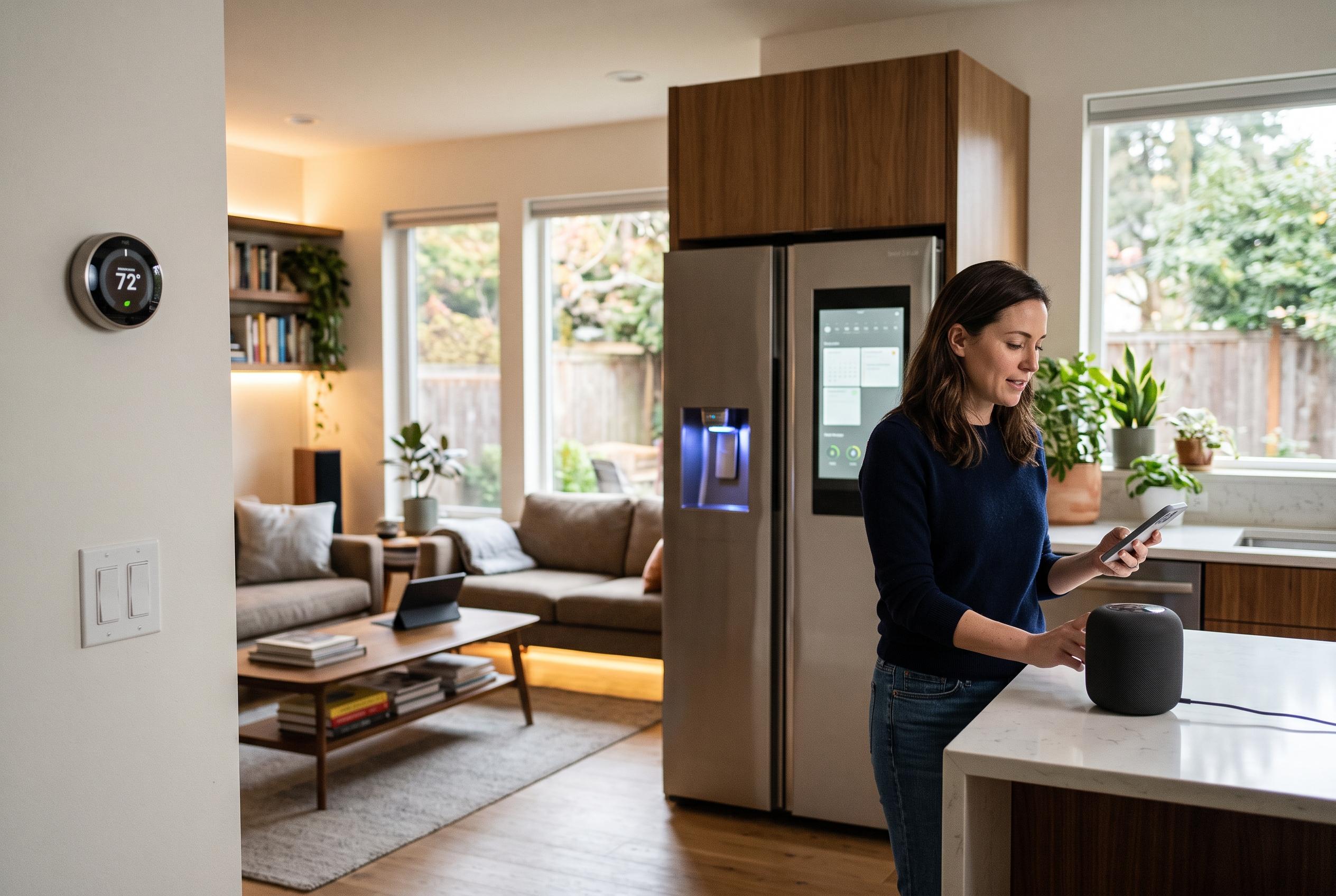
Anthropic researchers have shown that even ordinary household devices, including set-top boxes and other connected appliances, can be linked together to host a working AI model. The experiment underlines how the growing spread of cheap, internet-connected hardware could give attackers a new route into homes and offices, turning everyday electronics into part of a distributed malicious network.
The concern is not simply that smart appliances can be compromised, but that artificial intelligence may make such attacks more adaptive. As described in the Capital report, future malware could in theory move between devices, learn from its environment and adjust as it spreads, removing the need for criminals to rely on expensive specialist infrastructure. That would make the threat model closer to the botnets already used for hidden cryptocurrency mining, but with software capable of changing its behaviour in real time.
Anthropic is also moving to address a different AI-related risk: the impact on employment. The company plans to allocate 5% of its shares to a public-benefit fund designed to support workers and sectors affected by automation. According to the report, the stake would rise in line with the company’s valuation and help finance donations and programmes for communities hit by job losses. The timing, shortly before an expected stock market debut, suggests the plan may also be intended to calm criticism over AI’s effect on labour markets.
The geopolitical dimension is becoming more prominent as well. The US Department of Homeland Security has barred federal civilian agencies from using products made by Chinese AI developer DeepSeek, along with third-party tools built on top of them, over concerns that sensitive government data could end up in Beijing’s hands. The restriction applies only to civilian departments and does not extend to the military or intelligence agencies, but it signals a widening official distrust of foreign AI systems in secure environments.
Disclaimer: This content is intended for informational purposes only. Readers are advised to exercise their own judgement, conduct due diligence, or consult a qualified expert before acting on any information provided.