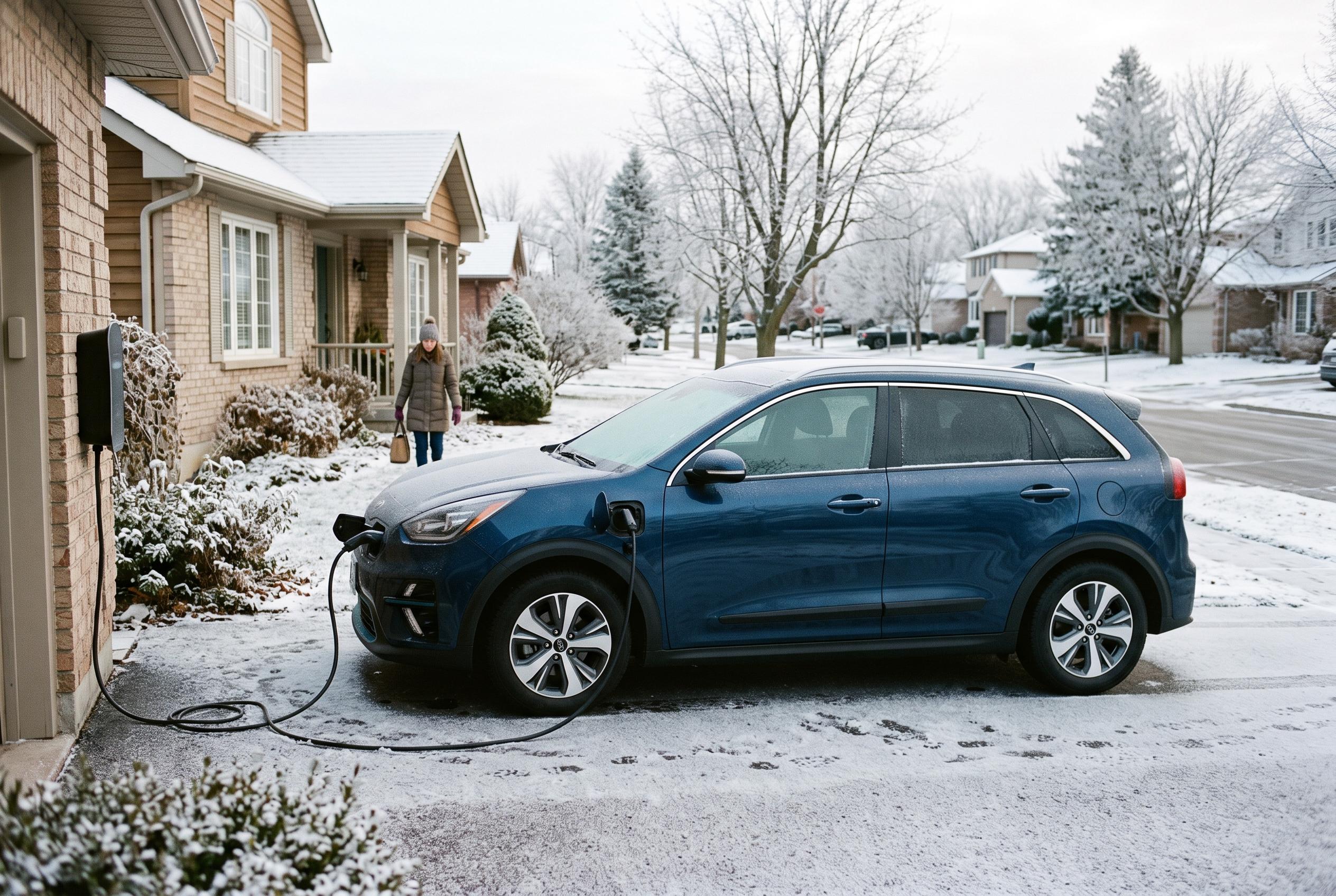

Cold temperatures slow battery chemistry and increase the energy needed for heating, but preconditioning and careful charging can help electric cars retain more of their normal range.
Cold weather can cut an electric vehicle’s driving range sharply, but the effect is usually temporary and tied to how batteries behave in low temperatures. Consumer Reports says chilly conditions slow the chemical reactions inside lithium-ion cells, while additional winter loads such as cabin heating and longer periods of stop-start driving can make the loss more noticeable. In practice, the reduction varies by model, weather severity and driving style, but winter range drops of roughly 10% to 30% are widely reported.
The basic idea behind range is simple: it is the distance an EV can travel on a full charge. In real use, however, that figure is never fixed. Consumer Reports and other testing guides note that temperature, road surface, speed, tyre condition, cabin load and terrain all affect efficiency. A vehicle that performs well in mild weather may consume far more energy once the air turns cold, roads become slippery and the heater is working harder.
The main reason for the drop is that battery chemistry becomes less efficient in the cold. Energy Department guidance explains that preconditioning the battery and cabin before departure helps preserve range because the car can reach operating temperature while still plugged in. That matters because EVs must use battery power to warm the cabin, unlike petrol or diesel cars, which can draw on waste heat from the engine. Some vehicles also expend energy on battery thermal management, which is designed to keep the pack within a more efficient temperature band.
Winter conditions add other penalties. Heating systems, snow and ice on the road, stronger headwinds and lower regenerative braking efficiency all increase energy use. Chevrolet says low tyre pressure can further hurt performance, and that drivers should pay close attention to inflation in cold weather. Some newer models use heat pumps to reduce the energy needed for heating, which can soften the winter range loss, but they do not eliminate it entirely.
For day-to-day use, the most effective habits are straightforward. The U.S. Department of Energy recommends parking in a covered or enclosed space where possible, preconditioning the vehicle before driving and keeping charging connectors protected from freezing. Consumer Reports also advises planning journeys with some reserve capacity, because winter trips can be less predictable than summer ones. As a general rule, charging regularly rather than waiting for the battery to run low, and warming the car while it is still plugged in, helps keep an EV closer to its normal efficiency during the coldest months.
Disclaimer: This content is intended for informational purposes only. Readers are advised to exercise their own judgement, conduct due diligence, or consult a qualified expert before acting on any information provided.