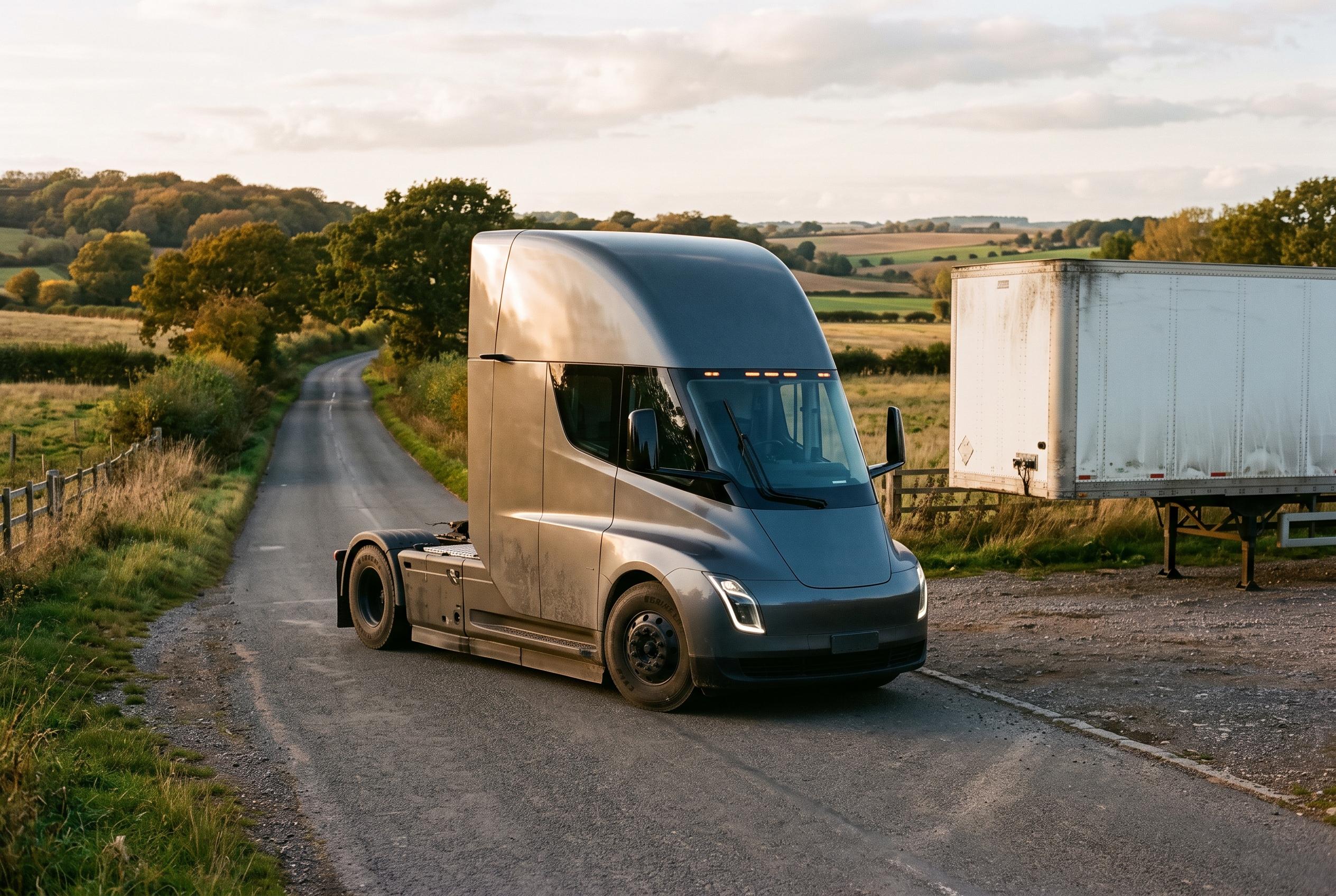

Electric trucks deliver strong low-speed pulling power, but towing can sharply increase battery strain and cut practical range by up to 60 per cent.
Electric trucks can be highly effective tow vehicles, but they do not behave like petrol or diesel pick-ups once a trailer is attached. The immediate torque available from an electric motor can make a heavy load feel easier to move away from rest, yet the same vehicle can lose range quickly under sustained strain. Industry guides and independent tests from Kelley Blue Book, Consumer Reports and MotorTrend all point to the same conclusion: towing can slash an electric truck’s practical distance far more sharply than many new owners expect.
The first mistake is underestimating the battery’s thermal load. Electric trucks use active thermal management to keep cells within a safe operating range, and that system consumes energy that would otherwise be available for propulsion. Under prolonged towing, especially on steep gradients or in warm weather, that trade-off can mean faster range loss and occasional power limits. A sensible route plan should account for elevation, temperature and an extra charging margin rather than relying on ideal conditions.
A second mistake is treating hitching as a routine formality. A trailer that is not fully latched, properly chained or evenly loaded can sway, shift or separate, creating a serious safety risk. Even if nothing catastrophic happens, poor setup can lead to damage before the journey really begins. A short pre-departure inspection should include the hitch, safety chains, braking gear and cargo restraint, because small errors are enough to cause trouble once speed increases.
The third error is assuming published range figures still apply once a trailer is on the ball. Independent assessments suggest towing can reduce range by around half, with some electric truck guides citing losses in the 45 to 60 per cent range depending on load, speed, terrain and trailer shape. That means a route that looks comfortable on paper may become marginal once the truck is working hard. Drivers should therefore build their estimates around towing-specific range, not the figure from an empty vehicle.
The fourth mistake is leaving charging logistics until the battery is already running low. Long-distance towing is less forgiving than normal EV driving because charger spacing, trailer access and local infrastructure can all become limiting factors. Planning stops in advance, and identifying an alternate charger along the route, reduces the risk of arriving at a dead end with insufficient charge to continue. For first-time hauliers, the safest approach is to assume towing range will be materially lower and to plan every leg accordingly.
Electric trucks remain very capable tow vehicles when their limitations are taken seriously. Once drivers adjust for battery strain, range loss and charging logistics, the instant response and smooth control that make these vehicles appealing for daily use can also make them satisfying and practical towing tools.
Disclaimer: This content is intended for informational purposes only. Readers are advised to exercise their own judgement, conduct due diligence, or consult a qualified expert before acting on any information provided.