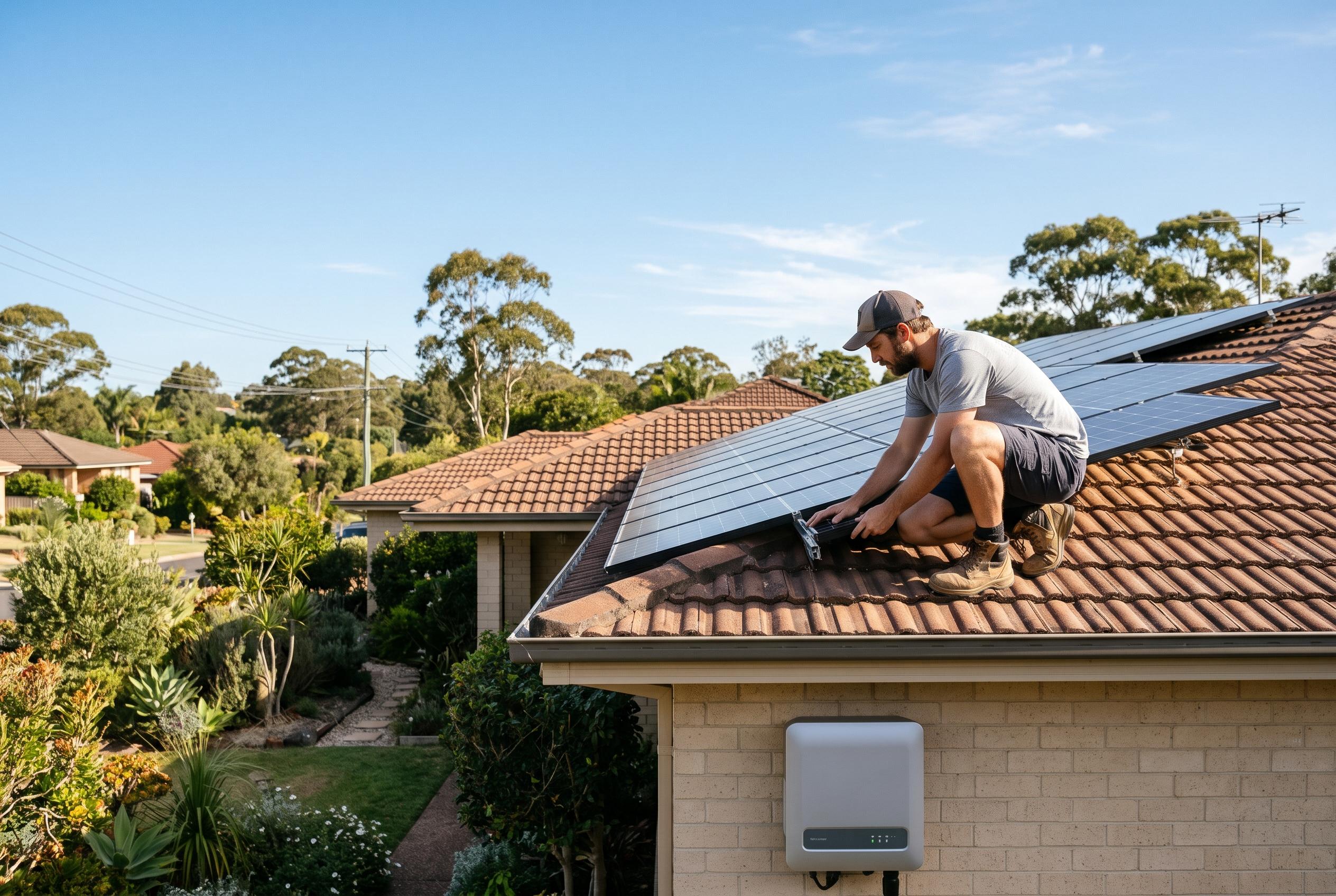

Visual inspections, inverter alerts and targeted cleaning can help Australian solar owners catch faults and falling output before minor problems become costly repairs.
Solar panels are built to be low-maintenance, but low-maintenance is not the same as maintenance-free. According to Solar Miner, the most effective routine begins with simple visual checks, close attention to output data and a cautious approach to anything involving roofs or live electrical equipment. For Australian homes and businesses, that combination matters because a small fault, shading issue or build-up of grime can reduce generation for months before it becomes obvious.
The first step is to inspect the system safely from the ground or through a monitoring app. Solar Miner advises owners to look for cracked or discoloured panels, loose fittings, new sources of shade and warning lights or fault codes on the inverter. Its guidance also recommends keeping a basic log of inspections, cleaning and alerts, so patterns are easier to spot and installers have a clearer record if a warranty claim later becomes necessary.
Cleaning should be driven by conditions, not by habit. Solar Miner notes that rain often removes only loose dust and may leave a film of pollution, salt, bird droppings or other residue behind. The company says some dirty systems can lose as much as half of their output, although that figure will vary by site and severity of soiling. Its advice is to clean panels only when generation has dropped, visible grime is present or debris is building up, and to use soft tools and water rather than abrasives or high-pressure equipment.
The inverter is the most useful indicator of whether the system is healthy. Solar Miner recommends checking it regularly for error codes, warning lights, heat, unusual noises and signs of water ingress or corrosion. Its separate guidance on inverter failures also points to common problems such as tripped breakers, faulty isolators and internal faults. Brief interruptions can happen during grid events or extreme heat, but repeated alerts or a system that stays offline should be handled by a qualified technician rather than by repeated reset attempts.
External conditions also deserve attention. Solar Miner says shade from trees, new structures or antennae can have a bigger effect than many owners expect, especially where the panel layout or inverter design is less tolerant of partial shading. Birds can create further problems by nesting beneath arrays, while storms and hail can leave hidden damage even if the system still appears to be generating. After severe weather, the advice is to inspect from a safe distance, look for broken glass, displaced panels or exposed cabling, and stop using the system if anything looks unsafe.
For long-term reliability, Solar Miner recommends scheduled professional servicing at sensible intervals, with a health check every two to five years as a practical starting point for many residential systems. It says commercial sites, coastal properties and dusty locations may need closer oversight. The company also stresses the value of retaining installation paperwork, warranty details and monitoring access, and of keeping unqualified trades away from wiring and mounting hardware. In its view, regular checks, prompt action on alerts and properly licensed repairs are the simplest way to protect performance and preserve warranty cover.
Disclaimer: This content is intended for informational purposes only. Readers are advised to exercise their own judgement, conduct due diligence, or consult a qualified expert before acting on any information provided.