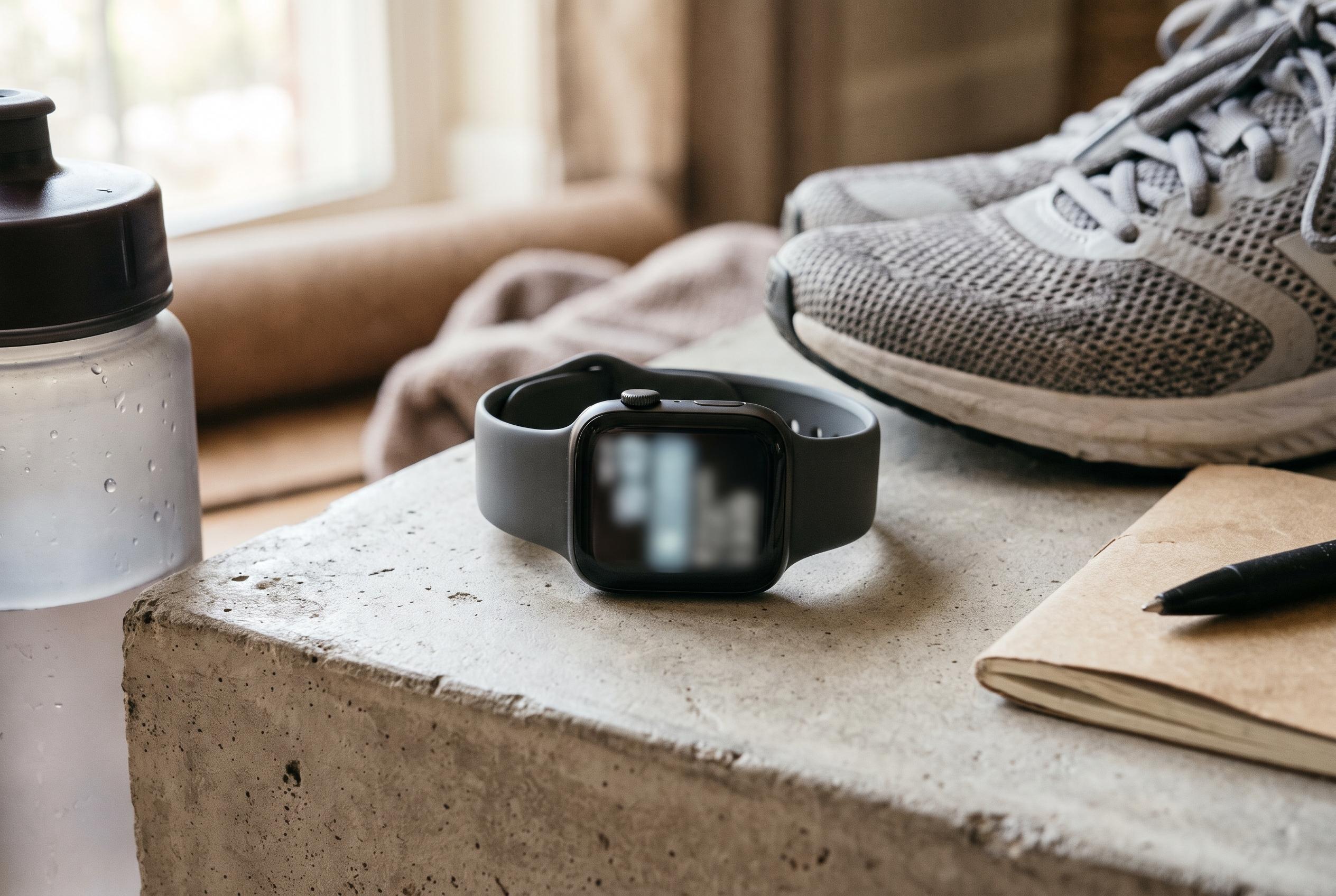

Google’s new Fitbit Edge offers GPS, advanced health tracking and up to seven days of battery life in a lighter, simpler package than the Pixel Watch 5 , but sacrifices apps, LTE and contactless payments.
Google’s new Fitbit Edge is a deliberately narrower device than the Pixel Watch 5, and that is the point. At $180 in the US, it sits well below the Pixel Watch 5’s $400 starting price, yet it still brings built-in GPS, a week-long battery claim and broad health tracking to a body that is lighter and simpler than a full smartwatch. Google says the Edge is available to pre-order now and will reach stores on 27 October. According to the company’s specifications, it is intended to bridge the gap between Fitbit’s stripped-back trackers and its more capable watch line.
The hardware is more ambitious than the price suggests. Google has given the Edge a 1.34-inch AMOLED display, an aluminium case and a weight of 17.7 grams, while also adding a physical side button and snap-in bands. It is rated for 5 ATM and IP68 water and dust resistance, and Google says the battery can last up to seven days, or around two days with the always-on display enabled. Ars Technica reported that the device is also designed to be repairable, with a replaceable battery, which could matter to people who keep fitness hardware for years rather than replacing it every cycle.
Health and safety features are central to the pitch. Tom’s Guide said its early hands-on time with the device highlighted Loss of Pulse Detection and Breathing Emergency Alerts, while also praising the comfort of the tracker and its larger display. Google has also fitted the Edge with an altimeter, skin temperature sensing and an ECG sensor, alongside GPS for outdoor activities. For many users, that combination will be enough. The device is clearly aimed at those who want serious fitness monitoring without carrying the overheads of a smartwatch.
The compromises are just as clear. The Edge runs Fitbit’s own software rather than Wear OS, so it does not offer the wider app ecosystem found on the Pixel Watch 5. Google’s feature set is limited to essentials such as music controls, weather, timers and alarms, with Maps navigation support still to come. It also lacks LTE, so runners and cyclists cannot leave their phones behind if they want messages, live syncing or emergency connectivity away from Bluetooth range. There is no NFC chip either, which means Google Wallet is absent.
That leaves the Pixel Watch 5 as the better choice for people who want a true wrist-bound extension of their phone. Google’s watch supports the Play Store, LTE on selected models and Gemini on the wrist, including voice-driven tasks and smart home control. The Edge, by contrast, uses Gemini only in the background as part of personalised coaching in the Google Health app, and that service requires a Google Health Premium subscription, although Google is offering three months free. In practical terms, the Edge looks like the more focused product, while the Pixel Watch remains the more flexible one. For buyers who care mainly about fitness tracking, battery life and cross-platform compatibility, the Edge makes a convincing case. For anyone who wants a full smartwatch, the extra $220 still buys a great deal more.
Disclaimer: This content is intended for informational purposes only. Readers are advised to exercise their own judgement, conduct due diligence, or consult a qualified expert before acting on any information provided.