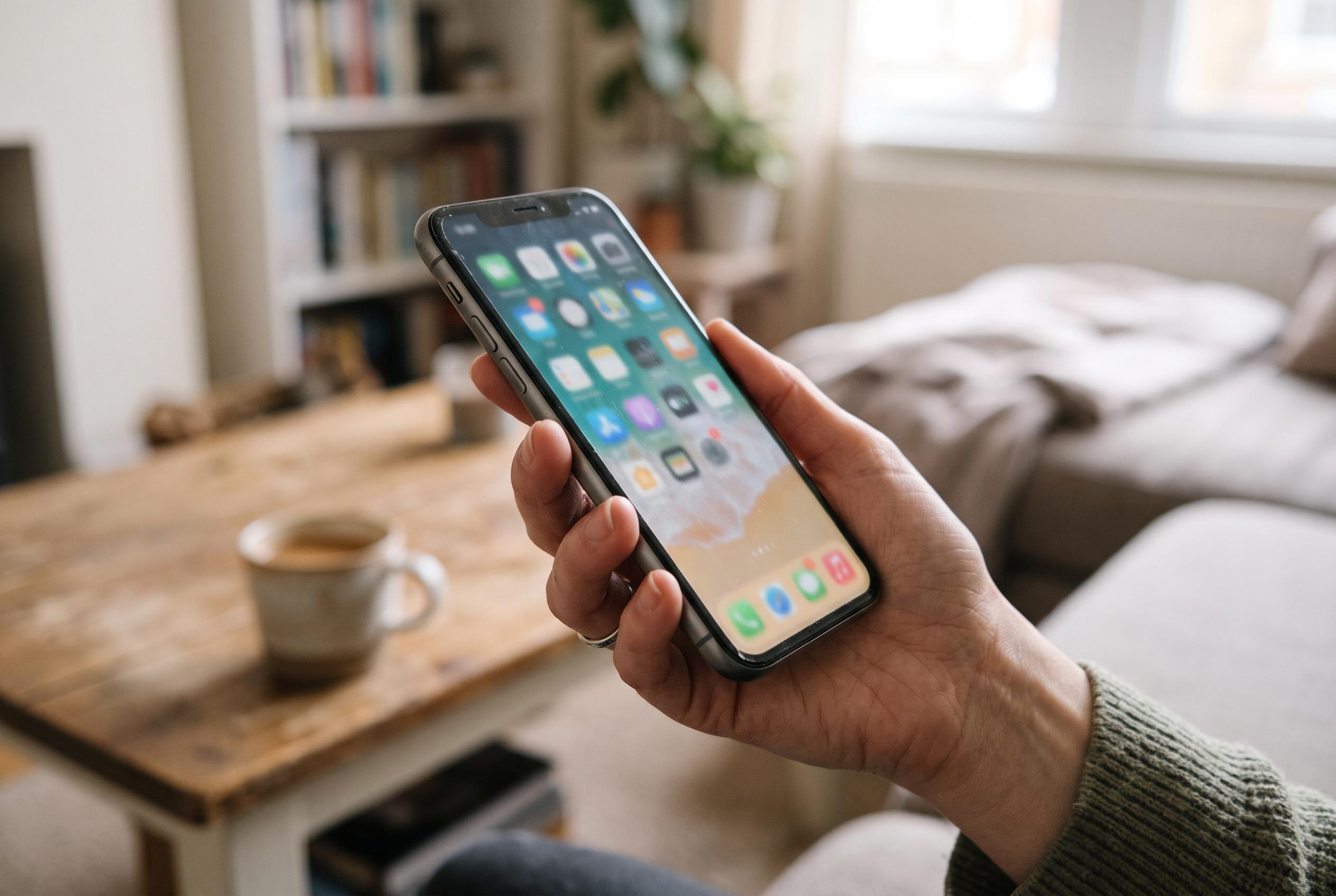

Older iPhones can still deliver a convincing Apple experience, but battery health, feature support and software longevity make some models far better value than others.
Apple’s older iPhones still make sense for buyers who want a lower-cost handset without giving up the core iPhone experience. In a market where new flagship prices have climbed sharply, second-hand models remain attractive because many still deliver solid performance, acceptable cameras and continued iOS support. But the trade-off is rarely simple: battery health, repair history, display quality and software longevity can matter as much as the headline price.
One of the most important filters is iOS 18 compatibility. Apple’s current system supports the iPhone XR and iPhone XS family onwards, including the iPhone 11, 12, 13, 14 and 15 lines, as well as the third-generation iPhone SE. That does not mean every feature works equally well on every device. Reports from Tom’s Guide, MacRumors, Macworld and TechRadar all note that while these phones can run iOS 18, advanced capabilities are constrained on older hardware, and Apple Intelligence is reserved for newer models. In practical terms, a supported iPhone may still be a viable purchase, but buyers should not assume feature parity across generations.
Among the models that still offer the best balance, the iPhone 13 stands out as the strongest all-round option for most users. It combines an OLED display with the A15 Bionic chip and, in the Pro versions, a 120Hz screen and telephoto camera. The iPhone 12 is still appealing for buyers who want OLED and 5G at a lower price, although its 60Hz screen and older chip place it behind the iPhone 13. The iPhone 11 remains reasonable for everyday use if the price is low enough, but its lack of 5G and less advanced display make it a more limited choice.
The iPhone 15 is the most forward-looking of the older options covered here, mainly because it brings USB-C and a 48-megapixel main camera, along with newer processors. That makes it a sensible pick for buyers who plan to keep the phone for longer and are prepared to pay more. The iPhone 14, especially in Pro form, still has a strong case thanks to OLED, Dynamic Island and, on Pro models, a 120Hz panel. Yet it sits in an awkward middle ground: useful, but often harder to justify unless the price gap versus the iPhone 13 is small.
For those who prefer compact devices, the third-generation iPhone SE remains the obvious choice. Its A15 Bionic chip and 5G support keep it technically current, and Touch ID may still suit users who dislike Face ID. However, its small LCD screen, single rear camera and older design mean it is a compromise rather than a broadly modern handset. The second-generation iPhone SE is cheaper still, but its weaker overall feature set makes it much harder to recommend unless price is the overriding concern.
The older flagship pair, the iPhone XS and XS Max, still offer a premium-feeling build, an OLED display and a telephoto camera. The iPhone XR is simpler, with a single rear camera and LCD screen, but it can still work as a budget buy if the battery is healthy and the price is low. Even so, neither model offers 5G, and both are now clearly older choices. In that sense, the second-hand market rewards restraint: the best purchase is usually not the oldest phone that still works, but the one whose price, condition and remaining software life line up most sensibly with the buyer’s needs.
Disclaimer: This content is intended for informational purposes only. Readers are advised to exercise their own judgement, conduct due diligence, or consult a qualified expert before acting on any information provided.