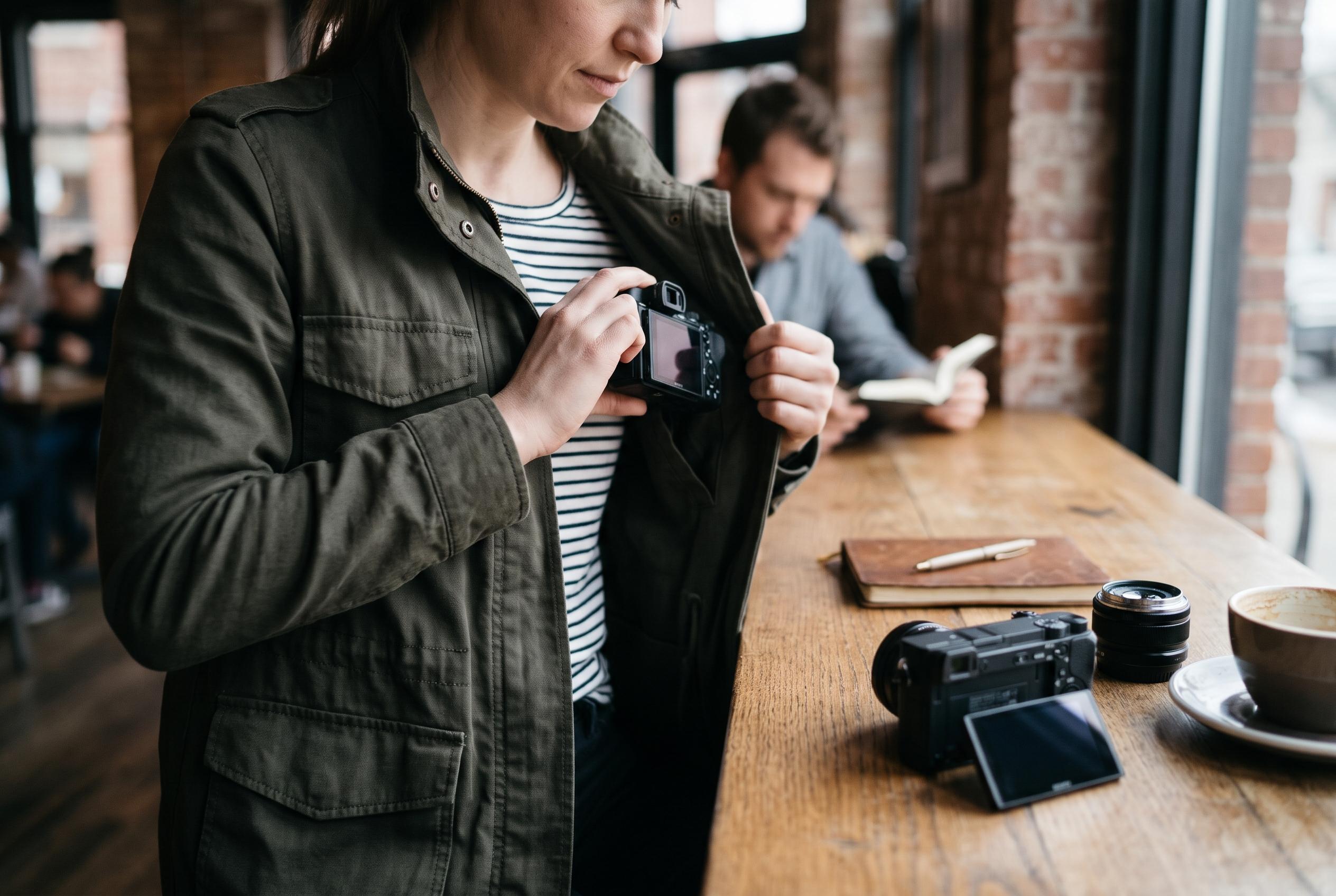

Sigma’s FP2 combines a 24.5-megapixel full-frame sensor, 6K Open Gate video and a tilting screen in an unusually small modular body, though its image quality and accessory trade-offs remain to be tested.
Sigma’s FP2 arrives as a camera with a clear identity: a full-frame hybrid body built to serve both stills and video, but with a size that is unusual even by compact mirrorless standards. The company positions it as the world’s smallest interchangeable-lens camera, and early hands-on impressions from DIY Photography suggest that claim is not mere marketing flourish. The body is described as so small that it feels closer to a large pager than a conventional camera, yet it still houses a full-frame sensor and a layout intended for serious production work.
That miniature footprint appears to be the FP2’s most immediate advantage. In the first look, the camera is said to slip into a jacket pocket with a 50mm F2 lens attached, something that is rarely possible with a full-frame body. The reviewer also points to the new tilting rear screen as a meaningful improvement over the original FP’s fixed display. According to the account, the screen can tilt up by 90 degrees and down by 45 degrees, making it easier to compose from low or unusual angles while staying discreet on the street.
The camera’s published specification set reinforces that positioning. CameraDex lists a 24.5-megapixel partially stacked full-frame CMOS sensor, 6K Open Gate video recording, 20 frames per second continuous shooting and hybrid phase-detection autofocus with subject recognition for people, dogs, cats and birds. It also notes 70GB of internal storage, dual USB-C ports, full-size HDMI output and a 3.15-inch tilting touchscreen. Official Sigma material frames the FP2 as a modular camera that can switch between stills and cinema workflows, with the user interface adapting to each mode.
Image quality, however, remains an open question in this early assessment. The DIY Photography writer says they are still undecided after working only with JPEG files and have not yet begun serious testing of the DNG output. So far, the monochrome and Foveon Classic Yellow colour profiles appear to be the most appealing options in the in-camera set of 13 looks. That is consistent with Sigma’s emphasis on creative colour modes, but it is too early to draw firm conclusions about the files themselves.
Battery life and accessories are likely to shape the FP2’s real-world appeal as much as the sensor or codec list. The review was conducted without the optional EVF or handgrip, which keeps the camera extremely light and compact but does not reflect a fully built-out rig. Even so, the camera reportedly lasted about six hours on a charge, with roughly 20% remaining. Review coverage from TechRadar and DPReview similarly stresses that the FP2’s modular approach is both its strength and its trade-off: it can remain remarkably small, but once accessories are added, the system becomes less pocket-friendly and more dependent on the user’s chosen workflow.
Disclaimer: This content is intended for informational purposes only. Readers are advised to exercise their own judgement, conduct due diligence, or consult a qualified expert before acting on any information provided.