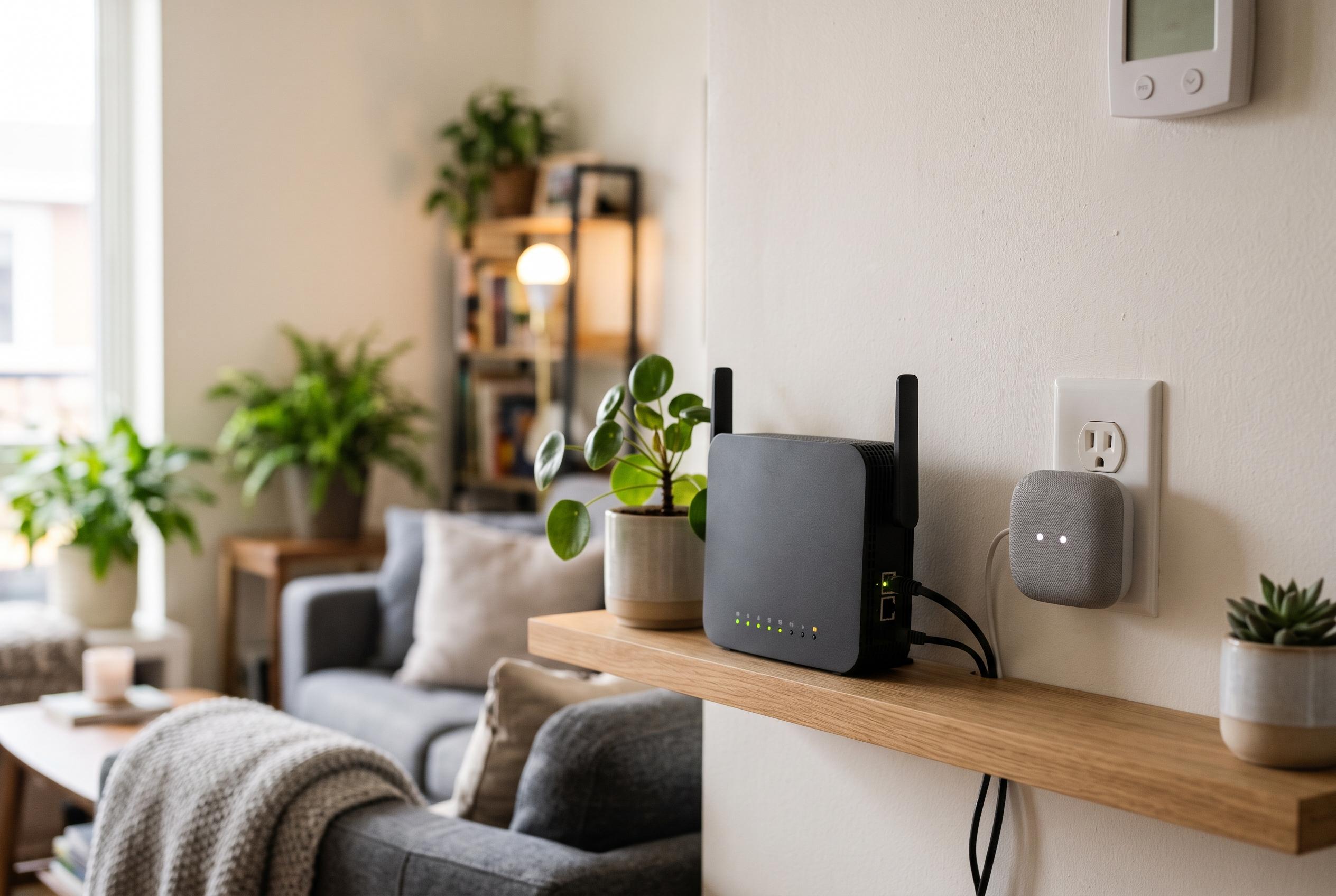

Belkin’s planned Wemo shutdown highlights the long-term risk of budget devices that rely on remote servers, rather than local control or open standards.
Many budget smart home devices look attractive on price and packaging, but the lowest-cost option can hide the highest long-term risk. MakeUseOf notes that buyers often assume products bearing Apple Home, Google Home or Amazon Alexa branding will keep working for years, yet some cheap accessories do not connect directly to those ecosystems at all. Instead, they depend on an intermediary cloud service that sits between the device and the platform app, creating a dependency the customer does not control.
That model matters because the device may work perfectly until the vendor decides to switch off the server behind it. Belkin’s Wemo range is a clear recent example. According to Belkin, cloud services and app support for selected Wemo products will end on January 31, 2026, after which the Wemo app and all cloud-based features, including remote access and voice assistant integrations, will stop working for affected devices. Belkin says products already configured with Apple Home before that date should continue to function through Apple’s app, but only if they were set up in advance. Reuters-style reporting from MacRumors, TechCrunch and TechRadar all describes the same outcome: devices tied to cloud connectivity will lose the functions many owners bought them for.
The pattern is not limited to one large manufacturer. MakeUseOf points to earlier collapses such as Insteon and Wink, both of which left customers with hardware that had lost key software support. The wider lesson is that a smart bulb, plug or sensor may be physically durable while still becoming unusable if its cloud back-end disappears. In practice, this is especially common with generic white-label products, where the hardware may be inexpensive but the software layer is maintained by a smaller company with limited incentive or capacity to keep servers running indefinitely.
For buyers who want to avoid that risk, the article argues for two safer approaches: building an all-local system, or choosing devices built around open standards. Home Assistant offers one route for users who want complete control, but MakeUseOf says a simpler option is to look for Matter-over-Thread support. Matter is designed to improve interoperability across major smart home ecosystems, while Thread provides local mesh networking so compatible devices can be controlled without a cloud relay in the middle. That matters not only for reliability, but also for cost: a cheap device that fails when a server is switched off may end up costing more than a better-supported product that lasts as long as the hardware itself.
Disclaimer: This content is intended for informational purposes only. Readers are advised to exercise their own judgement, conduct due diligence, or consult a qualified expert before acting on any information provided.