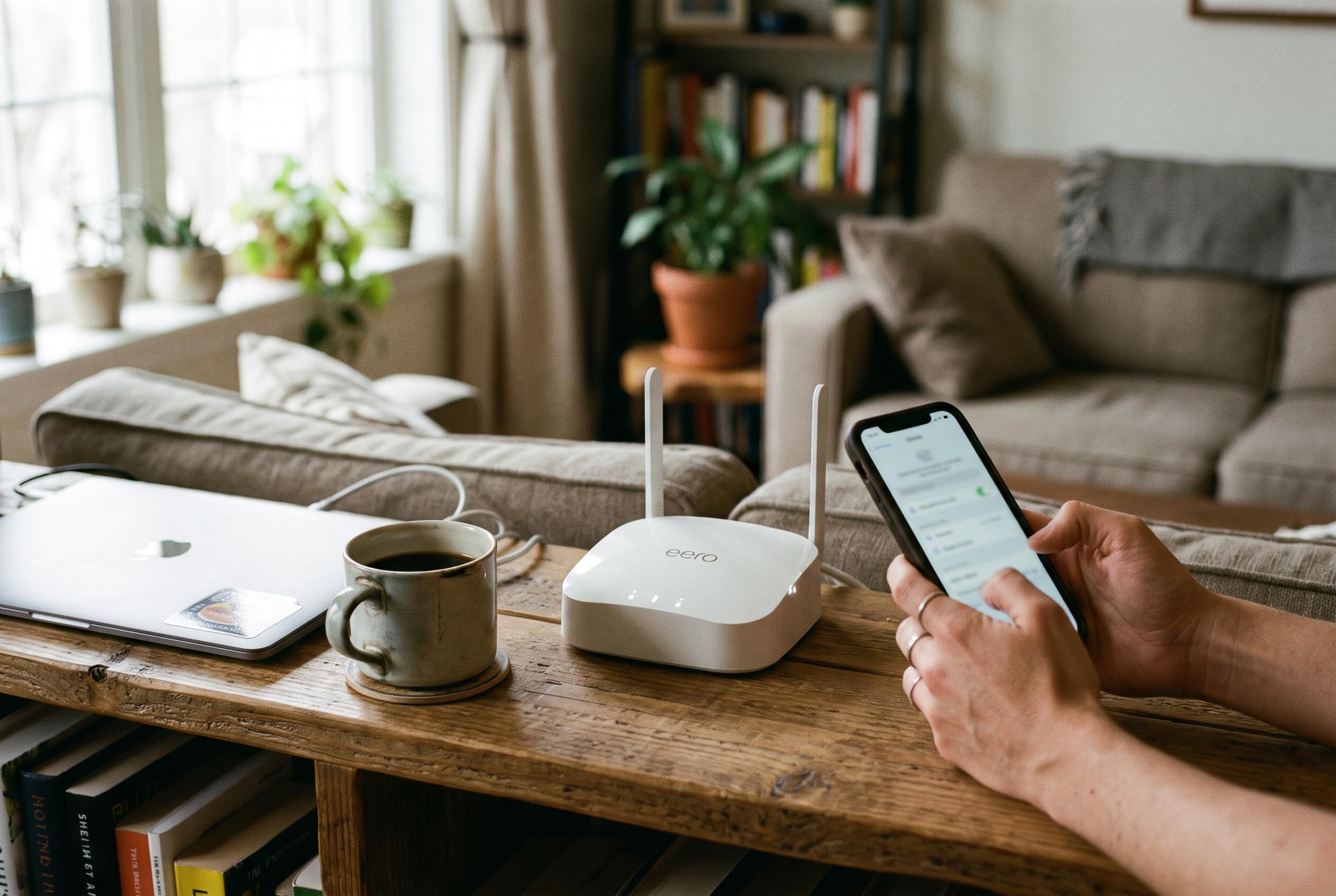

An inspection of an ISP-supplied router found device records, unencrypted DNS queries and a remote-management channel users could not disable.
Claude is increasingly being used as a kind of forensic tool for consumer technology, and the latest example centres on a home Wi-Fi router. In a report by ITavisen, a developer known as “codila” says Claude helped him inspect the router his own internet service provider had supplied and uncovered a series of privacy and control issues that many users would not expect to find in standard home equipment.
According to the ITavisen account, the router retained records for 29 devices that had connected to the network and could note when new hardware joined. More strikingly, the provider appears to have retained the ability to manage the router remotely without asking each time. The report says a hidden remote-management channel was embedded in the connection profile and could not be turned off by the user. That is consistent with the wider design of carrier-managed equipment, which often uses remote administration protocols for support, diagnostics and software updates. University of Innsbruck researchers have previously warned that TR-069, a common remote-management standard, was deployed across a very large installed base and that many vendors did not follow recommended security practices.
The same report says DNS requests were being sent without encryption, allowing the internet provider to see the domain names being queried. That distinction matters. HTTPS protects the contents of most modern web traffic, but DNS still acts like a directory for the internet, revealing which sites a device is trying to reach. Security guides on encrypted DNS explain that DNS over HTTPS and DNS over TLS can prevent local networks and ISPs from reading those queries directly, although the resolver itself still learns the requested domain and the user’s IP address remains visible to the services reached.
The ITavisen piece also says the provider’s TV box kept transmitting data even when the television itself was switched off. That fits a broader pattern of connected hardware continuing to communicate in the background, which can make it difficult for consumers to understand what information their network equipment is sending and when. It is one reason privacy advocates increasingly recommend checking router administration settings, reviewing connected devices and changing any default credentials that still remain in place. Technical security guides also stress the importance of keeping firmware current and securing every device on the home network, not just the router itself.
For users looking for practical mitigations, the article points to encrypted DNS as an accessible first step and to Cloudflare’s 1.1.1.1 service with WARP as a stronger option for reducing ISP visibility. Cloudflare’s DNS service encrypts lookups, while WARP creates a tunnel between the device and Cloudflare so that much less traffic metadata is exposed to the local provider. At the same time, privacy specialists caution that WARP is not a full anonymity tool and does not stop a provider from managing the router itself. The report also notes other measures that can help, including changing the router’s administrator password, enabling a private Wi-Fi address on mobile devices and using the “_nomap” suffix if users do not want their access point included in Apple and Google location databases.
Disclaimer: This content is intended for informational purposes only. Readers are advised to exercise their own judgement, conduct due diligence, or consult a qualified expert before acting on any information provided.