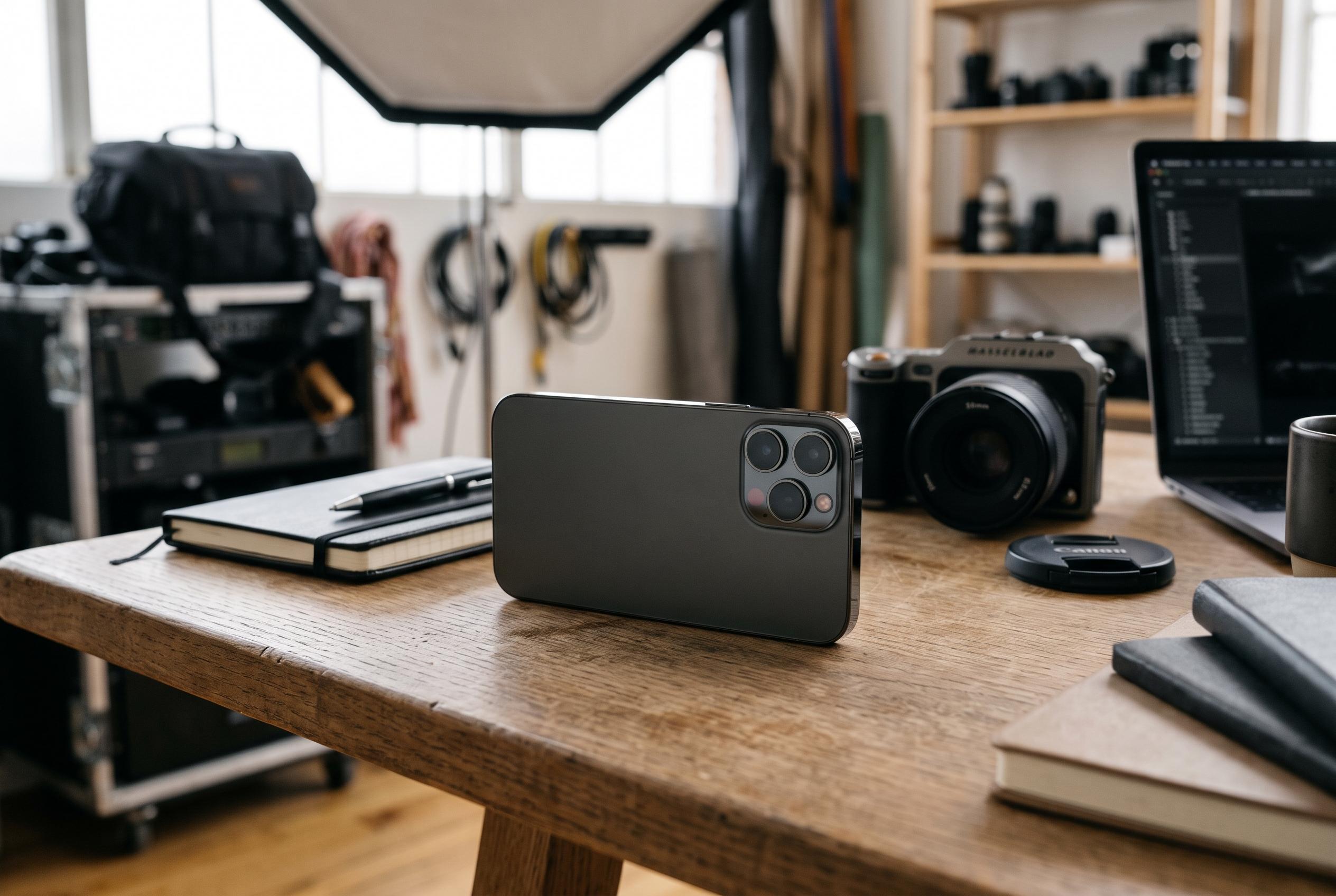

With a 35mm main lens, dual 200MP cameras and professional-grade video tools, Vivo’s X300 Ultra is built as a modular imaging platform rather than a conventional smartphone with a camera attached.
Vivo’s X300 Ultra has emerged as one of the clearest examples yet of a phone designed first for imaging and only then for everything else. In long-term use, the appeal is not limited to headline specifications. According to a detailed review on Gizbot, the device continues to deliver stills and video that feel closer to dedicated camera output than to conventional smartphone photography, and that judgement is echoed by other early reviews that place it among the strongest camera phones of 2026.
The most distinctive part of the formula is the 35mm main camera. Tech Advisor notes that Vivo has moved away from the more common 24mm-style default field of view, giving the X300 Ultra a perspective that is more natural for portraits, street scenes and travel images. The phone pairs that lens with a 200MP Sony LYT-901 sensor measuring 1/1.12in, which several reviews say allows it to capture more light than the previous generation. In practice, that means better separation between subject and background, less edge distortion and files with enough headroom for cropping without obvious collapse in detail.
The telephoto camera is equally central to the phone’s identity. Reviews from Gizbot, Android Central and Digital Camera World all point to the 200MP 85mm module as one of the handset’s best tools, especially for portraits, compressed perspective and long-range detail. It also doubles as a macro option, while Vivo’s telephoto accessories extend the system further, including a 400mm-equivalent add-on described by TechRadar and the full Photographer Kit sold with the phone in some markets. The trade-off, as Gizbot notes, is that the telephoto aperture is slower than on the preceding model, so low-light performance is strong but not entirely flawless.
The ultrawide camera is the least impressive of the trio, though not a weak point in absolute terms. Tech Advisor says the 50MP module still performs well enough to be cropped tighter without severe quality loss, while Gizbot found its colour matching and night performance better than expected, albeit with some edge distortion and extra noise in difficult mixed light. That consistency across the three rear cameras matters, because it helps the phone behave more like a coherent imaging system than a collection of unrelated lenses.
Video is where the X300 Ultra appears to have closed the gap with the best-known creator phones. Gizbot says the handset now offers 4K at 120fps in 10-bit Log across focal lengths, Dolby Vision support, 4K at 60fps from all three rear cameras and 8K recording at 30fps. Digital Camera World and TechRadar both highlight the wider professional toolkit, including APV codec support, advanced stabilisation and pro-level controls. Vivo’s own launch material also stresses the device’s creator focus, with the Snapdragon platform helping with on-device editing and export. Optional accessories, including the Imaging Grip Kit and telephoto converters, further reinforce the idea that this is not merely a camera phone, but a modular imaging platform.
Disclaimer: This content is intended for informational purposes only. Readers are advised to exercise their own judgement, conduct due diligence, or consult a qualified expert before acting on any information provided.