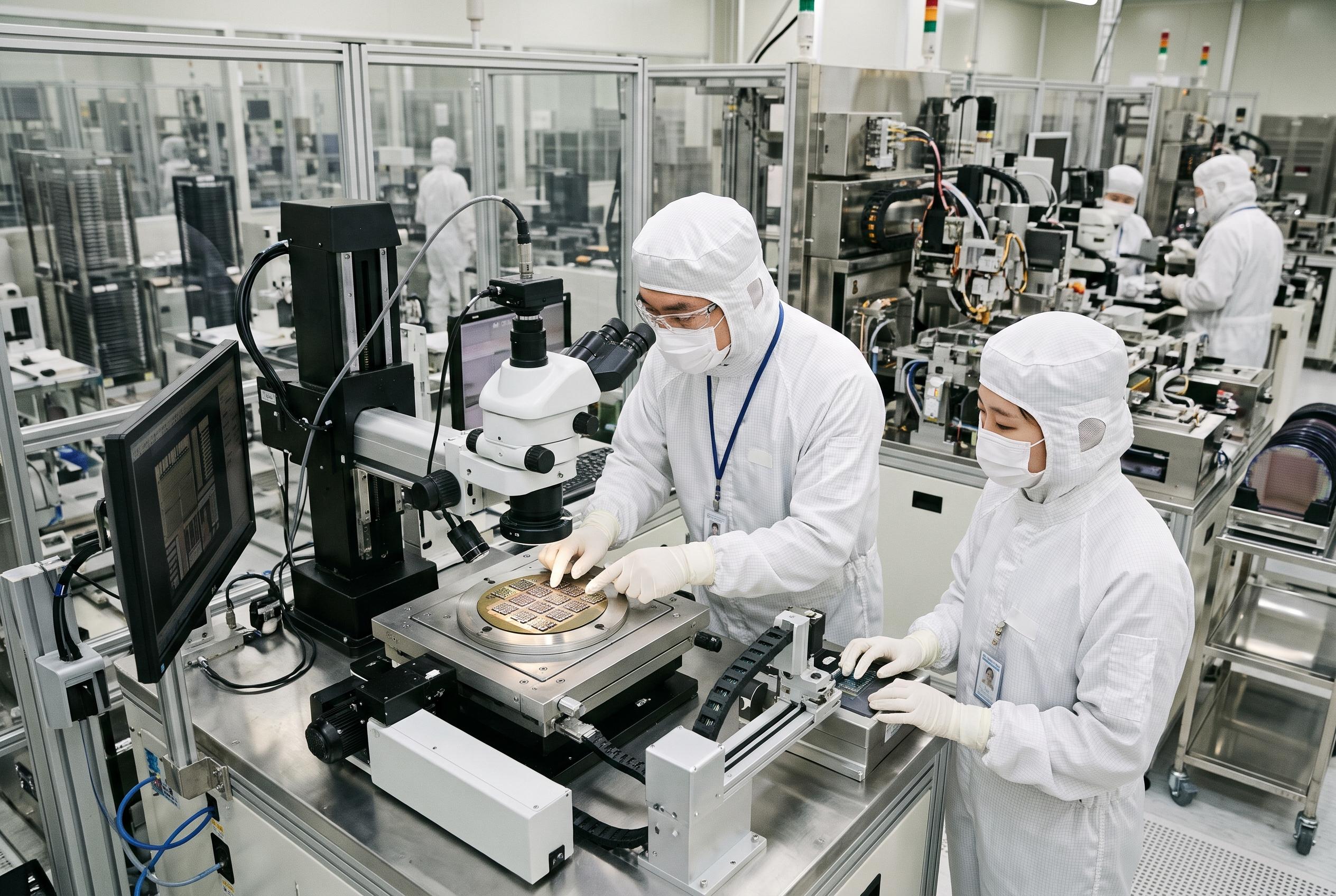

The proposed increase comes as longer testing cycles, equipment delays and fierce demand from AI processors leave advanced packaging capacity struggling to keep pace.
TSMC is reportedly preparing to lift prices for its CoWoS advanced chip packaging service by as much as 20%, according to Taiwan’s Commercial Times, as demand for AI-related semiconductor capacity continues to outstrip supply. The report said the proposed increase would affect foundries and outsourced assembly and test providers, with higher charges of 10% to 20% under discussion for a process that is now central to the most advanced AI processors. What began as a bottleneck for graphics chips has widened, with server CPUs and custom ASICs also competing for the same packaging lines.
The pressure is being amplified by longer testing cycles and slower equipment deliveries. The Commercial Times said AI chips are spending more time in qualification and final testing before shipment, which is further squeezing packaging throughput. It also reported that lead times for new equipment have stretched to six to eight months from three to six months, making it harder for suppliers to add capacity quickly. TrendForce said similar constraints are contributing to a growing backlog of unfilled orders, while another report cited by AIB noted that NVIDIA’s Blackwell chips require far longer final testing than earlier generations.
Analysts cited in the reports expect TSMC’s monthly CoWoS capacity to exceed 130,000 wafers in 2026 and reach 200,000 in 2027. CoWoS, which combines AI processors and high-bandwidth memory in a single package, has become one of the most important technologies in the supply chain for major customers such as Nvidia and Apple. The push to expand that ecosystem is also reaching beyond Taiwan: GlobalFoundries recently announced an agreement to produce silicon interposers in the United States for TSMC’s CoWoS platform, with the company saying domestic production would support a more reliable supply of critical packaging parts.
The pricing discussion comes as TSMC continues to report powerful demand across its most advanced nodes. The company said third-quarter revenue reached a record NT$1.494 trillion, up 41.2% from a year earlier and ahead of market estimates, while net profit rose 68.7% to NT$763.06 billion. Chips manufactured on 7nm and more advanced processes accounted for 79% of wafer revenue, up from 77% in the previous quarter. Within that mix, 3nm contributed 33% of wafer revenue, followed by 5nm at 28%, 7nm at 10% and 2nm at 8%.
The market reaction was mixed. TSMC’s American depositary shares slipped on Tuesday, while its Taiwan-listed stock edged higher after the pricing report. TipRanks shows a Strong Buy consensus on the shares, based on nine Buy ratings and one Sell over the past three months, with an average target implying further upside. At the same time, Reuters reported on 22 October that TSMC has also been asking equipment suppliers for factory automation tools that do not rely on Chinese rare-earth magnets, a sign that the chipmaker is trying to insulate production from another potential supply-chain risk as it expands advanced manufacturing and packaging capacity.
Disclaimer: This content is intended for informational purposes only. Readers are advised to exercise their own judgement, conduct due diligence, or consult a qualified expert before acting on any information provided.