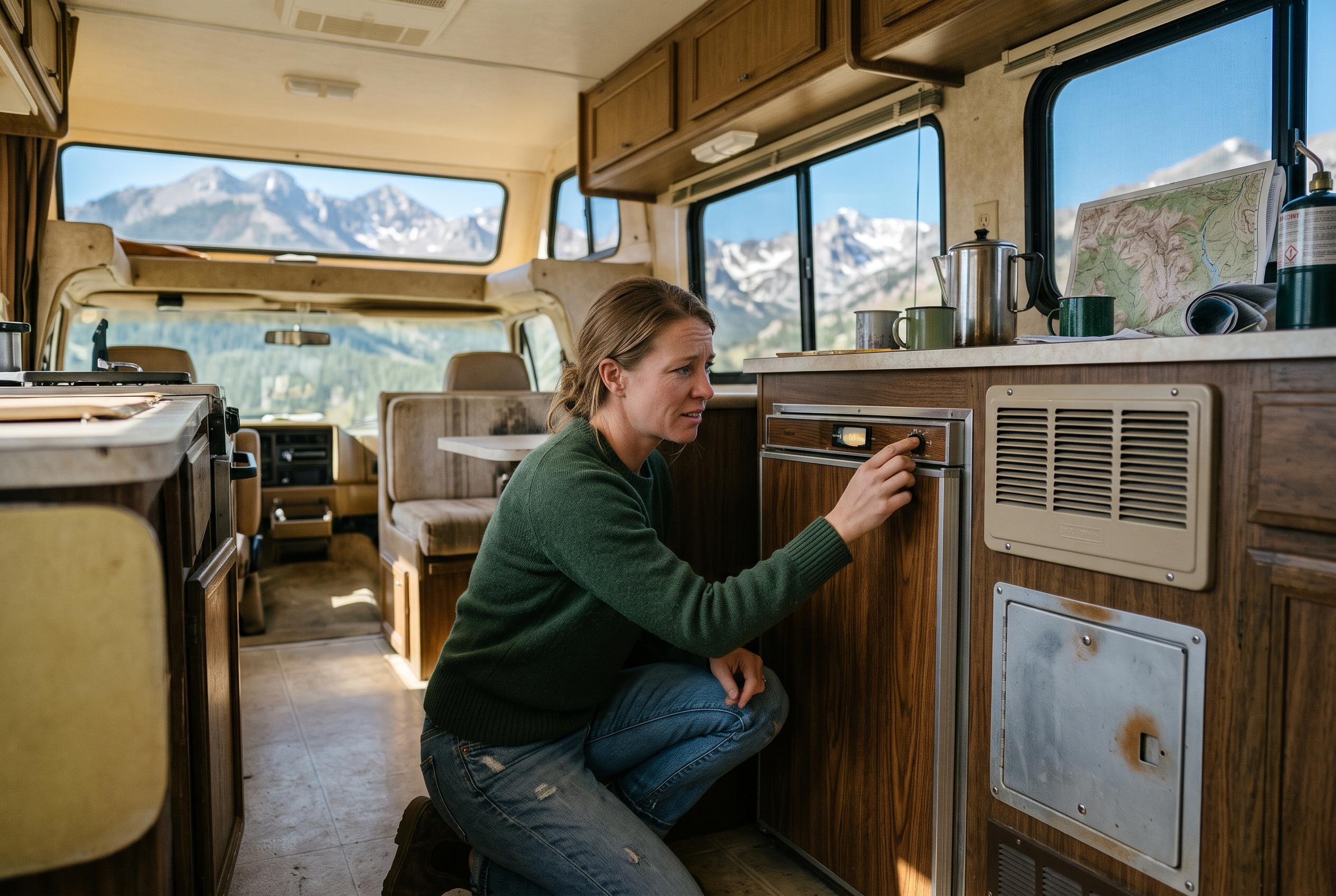

Altitude, low humidity and fast-changing weather can expose neglected faults in refrigerators, furnaces and water heaters, making pre-trip testing essential for RV travellers in Colorado.
Colorado’s mountain environment is unforgiving to recreational vehicle appliances, and the systems most likely to fail are often the ones that have gone untested since the previous season. A fridge that cools in the lowlands may struggle once the air thins. A furnace or water heater can become unreliable at higher elevations. Dry air adds another layer of wear, accelerating the deterioration of seals, gaskets and rubber components. For owners planning a road trip through the state, the practical lesson is simple: maintenance is not optional, and altitude changes the way common RV appliances behave.
The first inspection should focus on the equipment most sensitive to temperature, pressure and combustion. Test the refrigerator on both electricity and propane, allowing time for each mode to stabilise. Check every propane-fired appliance, including the hob, furnace and water heater, and pay close attention to the flame. A steady blue flame is generally healthy, while a weak yellow one can indicate airflow or combustion trouble. According to RV service providers in Colorado, these are exactly the kinds of issues that tend to appear after long periods of disuse or after travel into colder, higher terrain.
There are some jobs an owner can handle without specialist tools. Cleaning dust from coils, replacing a fridge door gasket, clearing burner orifices and swapping a water-heater anode rod are all routine tasks for a careful DIY user. But more serious faults should be left alone. Technicians in the state warn that sealed propane systems, cooling-unit failures and electrical faults that cannot be isolated are not suitable for guesswork. That caution is echoed by local repair shops from Berthoud to Denver, which offer everything from appliance diagnostics to winterisation and full system servicing.
The difference between a minor fault and a failing appliance is often visible in the symptoms. A refrigerator that works on electricity but not propane may have a clogged burner orifice. A unit that will not cool on any power source is more likely to have a cooling-unit failure. A furnace that clicks repeatedly without lighting points to ignition or airflow problems. By contrast, a water heater that smells sulphurous may simply need flushing. Any burning smell, however, is a reason to shut the appliance down immediately and seek professional help.
Weather is another variable that can turn a manageable issue into a trip-ending one. The National Weather Service’s forecasts are worth checking before any mountain drive, because conditions can change quickly between valley and pass. Shoulder-season camping adds frost risk to water systems, so lines should be drained or kept heated if a freeze is likely. For travellers heading into public campgrounds, the National Park Service’s alerts can also be useful for checking hookups, facility limits and other site-specific restrictions before arrival.
Colorado repair businesses increasingly tailor their services to those conditions. Some, such as mobile technicians in the Denver area, come to the rig to handle electrical problems, water leaks and appliance repairs on site. Others work from fixed shops and concentrate on more involved maintenance, including winterisation, axle work and appliance servicing. That split matters for owners deciding whether to book a quick diagnostic visit or haul a trailer to a workshop. In either case, the underlying message is the same: the state’s climate and elevation make preventive care far cheaper than waiting for a breakdown on the road.
The most effective routine is also the least glamorous. Before every trip, run a short checklist: test the fridge, light the burners, inspect the seals and look for anything unusual. Once a year, go further with a deeper service that includes coil cleaning, anode replacement, full system testing and a technician’s inspection of components you should not open yourself. In Colorado, where thin air, low humidity and sudden cold snaps all work against RV appliances, that discipline is what keeps a holiday from turning into a repair bill.
Disclaimer: This content is intended for informational purposes only. Readers are advised to exercise their own judgement, conduct due diligence, or consult a qualified expert before acting on any information provided.