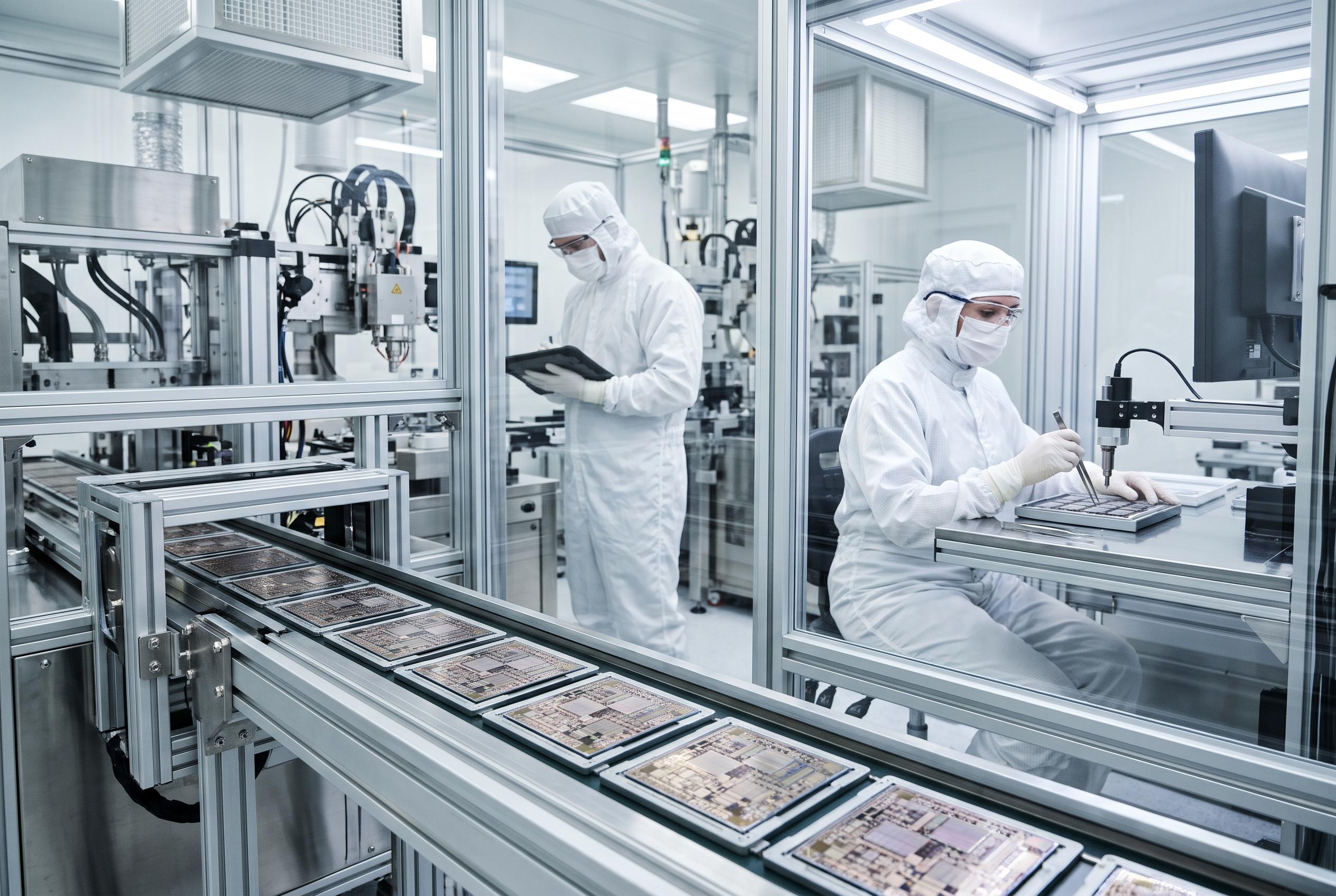

Malaysia’s exports to the US surged to RM282.07 billion in the first nine months of 2026, powered by semiconductor demand linked to AI infrastructure and data-centre investment.
Malaysia’s trade with the United States remained on a strong upward path in the first nine months of 2026, even as Washington continued to impose tariffs on selected goods under various legal mechanisms. According to Malaysia’s Ministry of Investment, Trade and Industry, exports to the US rose 69.1 per cent to RM282.07 billion between January and September, while bilateral trade climbed 39.6 per cent to RM378.70 billion.
The ministry said the main driver was demand for electrical and electronic goods, especially semiconductors, as artificial intelligence infrastructure and data-centre investment fuelled orders. It also pointed to Malaysia’s relative advantage in securing exemptions from additional US tariffs on most semiconductor and E&E products, which has helped sustain shipments in a sector that dominates the country’s sales to the American market.
Miti said E&E products accounted for about 64.2 per cent of Malaysia’s exports to the US in the period, with semiconductors making up 44 per cent of that category. The same reply to parliament noted that not all industries fared as well: rubber glove exports to the US slipped 1.6 per cent to RM5 billion, furniture exports fell 19.2 per cent to RM3.77 billion, and medical device exports declined 12 per cent to RM8.74 billion.
The ministry said some exporters are having to absorb tariff costs or offer price discounts to preserve competitiveness and retain market access. It argued that diversifying export destinations is the most effective way to reduce exposure to external shocks and strengthen trade resilience, adding that Malaysia is using existing free trade agreements while also seeking opportunities in West Asia, Africa, Latin America and South Asia.
In a separate parliamentary reply, Miti said it is finalising the New Incentive Framework for the services sector after introducing it for manufacturing on 1 March 2026. The ministry said the framework replaces a product- and activity-based incentive model with one that is tied more closely to performance, output and economic impact, with a stronger emphasis on quality job creation and broader value added to the economy.
Disclaimer: This content is intended for informational purposes only. Readers are advised to exercise their own judgement, conduct due diligence, or consult a qualified expert before acting on any information provided.