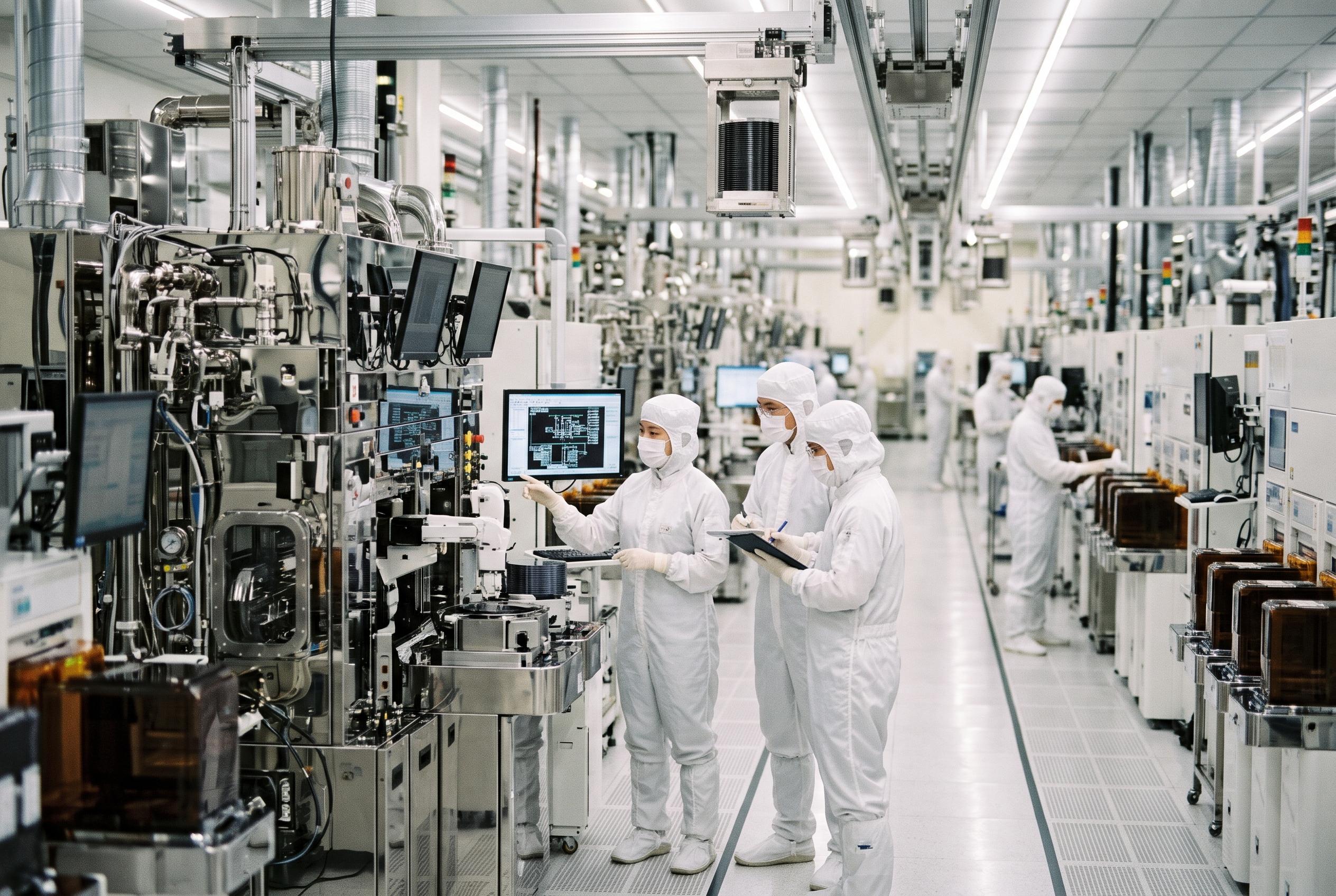

SK hynix says demand for DRAM and high-bandwidth memory could exceed supply until 2029 or beyond, as AI customers reserve capacity years ahead and new factories remain some distance away.
SK hynix has told investors that the global memory market is likely to remain tight for years, with demand for DRAM and high-bandwidth memory expected to outstrip supply until 2029. The warning, delivered alongside the company’s third-quarter 2026 results, suggests that a rapid easing in RAM prices is unlikely, despite hopes among consumers that the recent surge in costs may soon reverse.
The South Korean chipmaker’s comments add weight to a broader picture already emerging across the industry: large cloud operators and other major customers are reserving capacity well in advance, and in some cases signing long-term agreements that cover a substantial share of future output. According to reporting by PCMag and other technology publications, SK hynix says its production for the next three years is effectively sold out, leaving little room to satisfy spot-market buyers or smaller customers. Tom’s Hardware has reported that the company is also seeking to lock in supply commitments from more customers as it plans for continued shortages.
The pressure is being intensified by the shift towards HBM, a specialised form of DRAM that stacks memory dies to provide far greater bandwidth than conventional modules. That makes it essential for AI accelerators, but it also diverts manufacturing resources away from the standard desktop and notebook memory that consumers buy. Industry reports indicate that this is already tightening supply across the wider DRAM market, including server, PC and mobile products, while higher margins on HBM are giving suppliers even more incentive to prioritise AI-linked orders.
SK hynix has also pointed to stronger demand for server-grade DDR5 and the growing ramp-up of HBM4, even as it expects shipments of PCs and mobile devices to weaken because of higher prices and constrained availability. TechRadar reported that the company now sees the shortage stretching through 2030, while Tom’s Hardware has noted that customers are booking supply years ahead. Taken together, those signals suggest that the AI build-out is more than offsetting softer consumer demand.
Capacity expansion is under way, but not quickly enough to change the near-term balance. SK hynix plans to open the first cleanroom space at its Y1 plant in Yongin in February 2027, with a similar milestone for the Y2 site, which will produce HBM and other DRAM products, not expected until June 2029. Tom’s Hardware has also reported that Solidigm, SK hynix’s US subsidiary, is discussing a $45 billion flash-memory project in the United States, underscoring how aggressively the company is thinking about future output. For ordinary buyers, however, the implication is plain: memory is likely to remain expensive, and relief may take years rather than months.
Disclaimer: This content is intended for informational purposes only. Readers are advised to exercise their own judgement, conduct due diligence, or consult a qualified expert before acting on any information provided.