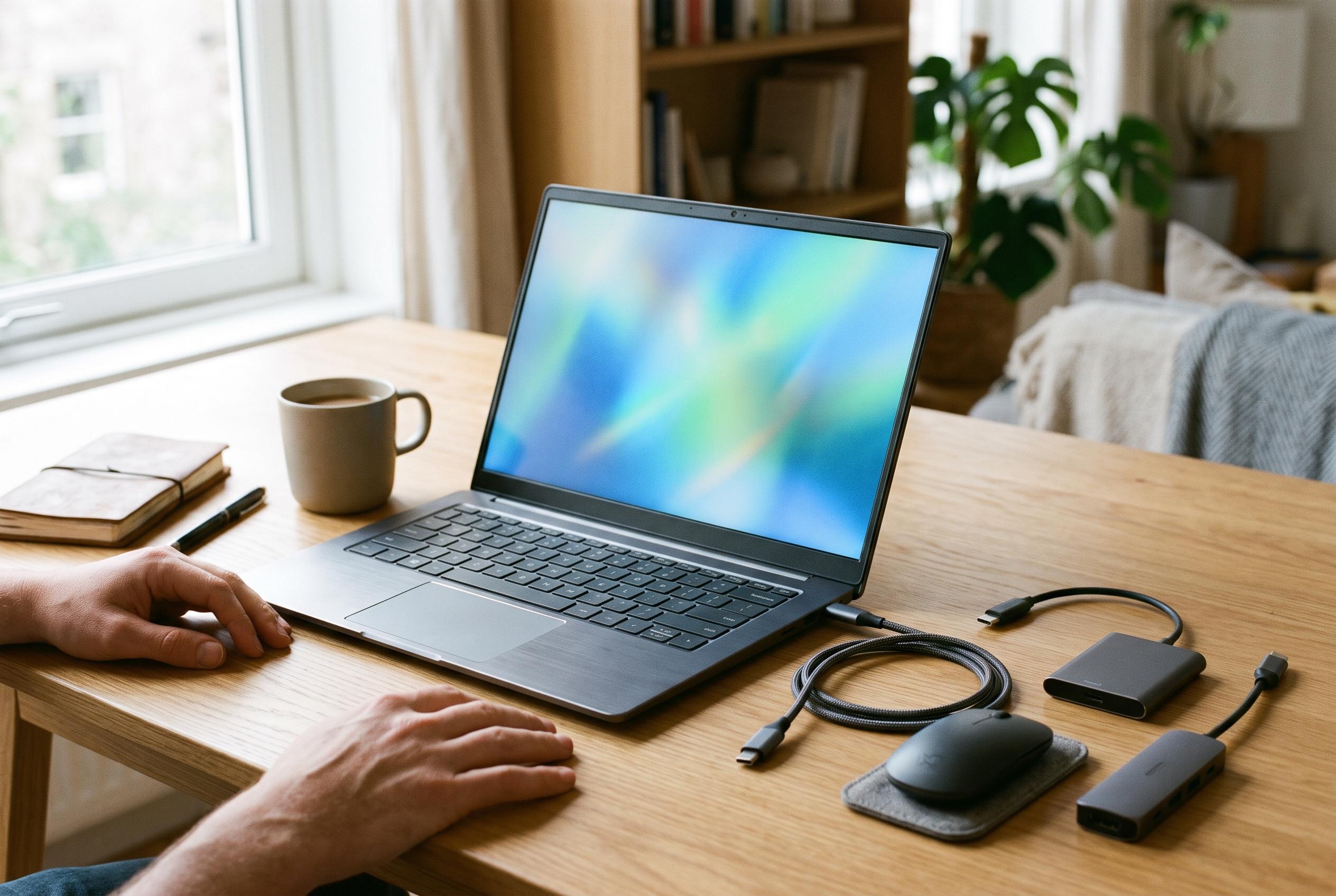

The 14S DS14270 pairs a strong screen and exceptional battery life with a polished budget design, but its appeal fades as soon as buyers pay for upgrades.
Dell’s 14S DS14270 is a reminder that a low entry price can still matter in a market distorted by component shortages and aggressive upgrades. PCMag’s review finds that the laptop makes the strongest case only at its $649 starting point, where it offers a six-core Intel Core 5 320 processor, 8GB of memory and 256GB of storage for students and other users who mainly need a machine for browsing, streaming and office work. Dell’s own product page confirms that the base model is the same configuration tested by PCMag, and also shows how quickly the price climbs once buyers step beyond the entry spec.
That pricing structure is the 14S’s biggest flaw. Dell’s options for 16GB of memory, larger storage drives and a sharper 2,880-by-1,800, 120Hz display all add enough cost to push the machine into a bracket where stronger rivals are available. PCMag notes that the memory is soldered, so buyers cannot improve it after purchase, although the storage drive can be replaced. In practice, that means the only sensible version is the cheapest one, because once the upgrades are added the 14S loses the value advantage that defines it.
The hardware itself is more convincing than the specification sheet suggests. PCMag describes a slim aluminium chassis that feels sturdier and more polished than most budget laptops, and Dell’s four colour options give the 14S a more distinctive look than many rivals. At 0.53 inches thick and 2.53 pounds, it is light enough to carry comfortably, although not class-leading. There are compromises, however: the port selection omits USB-A entirely, the HDMI socket is limited to version 1.4, and the laptop relies on Wi-Fi 6 and Bluetooth 5.3 rather than newer wireless standards.
The display is one of the better parts of the package. PCMag found the 1,920-by-1,200 IPS panel sharp, bright and easy to use in varied lighting, with decent colour and an anti-glare finish that suits everyday work. The touchpad and 1080p webcam also outperformed expectations for this class, but the keyboard and speakers did not. PCMag said the keys feel plasticky and the lack of backlighting is hard to ignore, while the audio lacks volume and bass. That mixed impression is echoed by other reviews, which generally describe the 14S as pleasant to use for routine tasks but short of premium in the details.
Performance is adequate only within clear limits. PCMag says the Core 5 320 handles web use, document work and streaming without obvious slowdown, but 8GB of soldered memory leaves little room for anything more demanding. The review says the laptop could not complete some creative benchmarks and showed memory pressure even when idle, despite the processor itself proving capable enough in the tests it could finish. Dell’s entry storage also keeps results modest. By contrast, the battery life is a genuine strength: PCMag recorded 22 hours, and other reviews of different 14S configurations also point to unusually long endurance, though those results are not directly comparable because they use different test settings and hardware.
For buyers with a strict ceiling, the Dell 14S DS14270 is a respectable budget laptop with a good screen, strong battery life and a chassis that feels better than expected. But the machine’s value depends almost entirely on staying with the base configuration. Once Dell’s upgrades are added, the 14S moves out of bargain territory and into a price range where Dell’s own higher-end models, and Apple’s MacBook Neo as PCMag compares it, offer more capable hardware for only a modest increase in cost.
Disclaimer: This content is intended for informational purposes only. Readers are advised to exercise their own judgement, conduct due diligence, or consult a qualified expert before acting on any information provided.