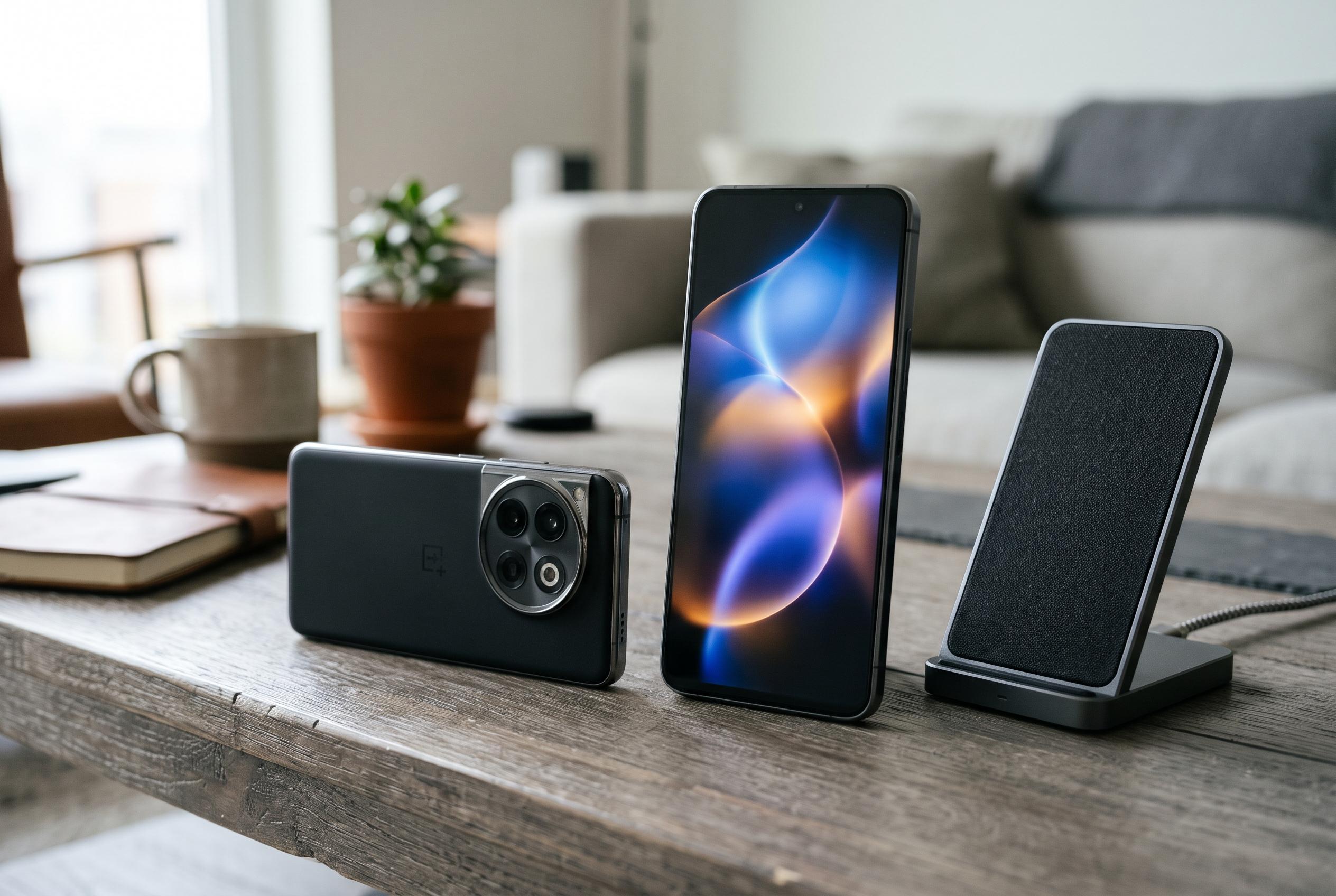

The compact X300 puts imaging first, while iQOO’s larger 15 prioritises a faster display and endurance, making the choice a matter of what buyers value most.
Flagship phones now split into two clear camps: compact imaging-first models and larger devices built for speed, gaming and endurance. That division is sharply visible in the comparison between vivo X300 and iQOO 15, with each handset aiming at a different kind of premium buyer. According to vivo’s official specifications, the X300 uses a 6.31-inch AMOLED panel with a 120 Hz refresh rate and weighs 190 grams, positioning it as the smaller and easier-to-carry option. By contrast, iQOO’s own product sheet describes the iQOO 15 as a much larger device, with a 6.85-inch AMOLED display and a 144 Hz refresh rate, making it the more obvious choice for users who want a wider canvas for gaming, video and long reading sessions.
The clearest difference is in the camera hardware. Vivo says the X300 carries a 200 MP main camera with ZEISS imaging support, plus 50 MP telephoto and 50 MP ultra-wide cameras, alongside a 50 MP front camera. That gives it a specification edge for users who prioritise detail, portrait work and flexible framing. iQOO’s official details list a triple rear camera array led by a 50 MP main sensor, backed by 50 MP telephoto and 50 MP ultra-wide cameras, with a 32 MP selfie camera. Hands-on reviews from Android Central, Gadgets 360 and FoneArena broadly confirm that iQOO’s camera setup is capable and versatile, although they also underline a basic truth of mobile photography: sensor counts alone do not decide image quality. Processing, optics, stabilisation and lighting still matter more than raw resolution in many real-world shots.
Performance and display behaviour tilt the iQOO 15 towards users with heavier workloads. Comparative listings from Gadgets 360 and NanoReview describe it as the larger, more gaming-oriented handset, with a higher refresh-rate screen and a battery capacity that is designed to support longer sessions. That makes it better suited to mobile gaming, multitasking and extended media use. The X300, meanwhile, is easier to handle and better aligned with users who want flagship features without a large chassis. In practical terms, the decision comes down to priorities: the X300 offers a more photography-led proposition in a compact body, while the iQOO 15 leans towards display size, sustained performance and endurance.
For buyers trying to choose between them, the decision is less about which phone is objectively better and more about which compromise is acceptable. The X300 is the stronger option for those who value a smaller handset with high-end imaging hardware. The iQOO 15 is more compelling for people who want a larger screen and a device optimised for demanding use. As the official specifications and independent reviews both indicate, these are two flagship phones aimed at different kinds of premium user rather than direct substitutes.
Disclaimer: This content is intended for informational purposes only. Readers are advised to exercise their own judgement, conduct due diligence, or consult a qualified expert before acting on any information provided.