
Chinese memory maker CXMT declines Apple’s bid for cheaper DRAM, exacerbating supply shortages and boosting largest suppliers’ market power amid soaring AI memory demand.
China’s ChangXin Memory Technologies has reportedly turned down Apple’s bid for cheaper mobile DRAM, a sign that the memory market has swung sharply in favour of suppliers. Industry reports cited by MacDailyNews say Apple had been testing CXMT chips as a possible alternative source for future iPhones and other devices, but the Chinese maker would not agree to the lower pricing Apple wanted. Instead, CXMT is said to be holding prices at or above the levels charged by Samsung Electronics and SK Hynix.
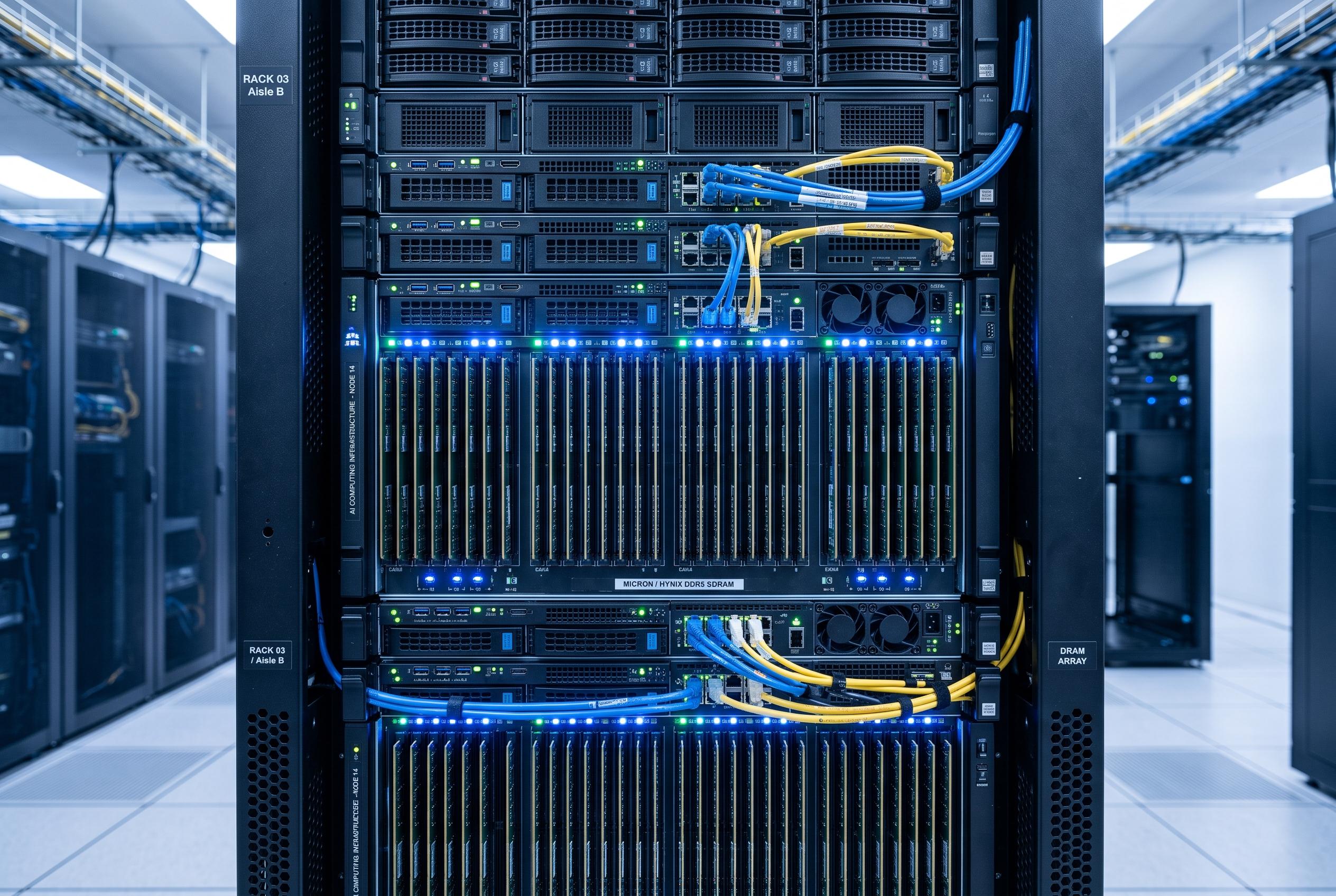
That hard line reflects a market in which demand is outrunning supply. According to reports from Tom’s Hardware and MacRumors, major manufacturers have been diverting more wafer capacity towards high-bandwidth memory for AI servers, leaving less conventional DRAM available for products such as LPDDR5X. The result has been a severe shortage and a rapid rise in prices, with Apple already forced to absorb higher memory costs on recent iPhone models, including a reported doubling in Samsung’s LPDDR5X pricing earlier this year.
CXMT’s leverage also appears to come from strong domestic demand in China. Tom’s Hardware reported that Huawei, Xiaomi and other local buyers have locked in large volumes under long-term contracts, while U.S. semiconductor restrictions have encouraged Chinese firms to build more self-reliant supply chains. In that context, CXMT has little commercial incentive to offer Apple a discount, especially if doing so would mean meeting stricter qualification requirements for a global premium brand.
The broader effect is to strengthen the position of Samsung and SK Hynix, which can keep prioritising higher-margin AI memory while CXMT helps anchor prices for standard DRAM. That is a marked reversal from the earlier era, when large device makers could use cheaper Chinese alternatives as leverage in negotiations with established suppliers. Reports also suggest Apple’s plans to widen its supplier base face technical and regulatory hurdles, while other PC makers such as HP, Asus and Acer are already using small amounts of CXMT memory in notebooks sold outside the U.S. SK Hynix, meanwhile, has said demand for AI memory remains exceptionally strong, underscoring how tight the market remains.
Disclaimer: This content is intended for informational purposes only. Readers are advised to exercise their own judgement, conduct due diligence, or consult a qualified expert before acting on any information provided.