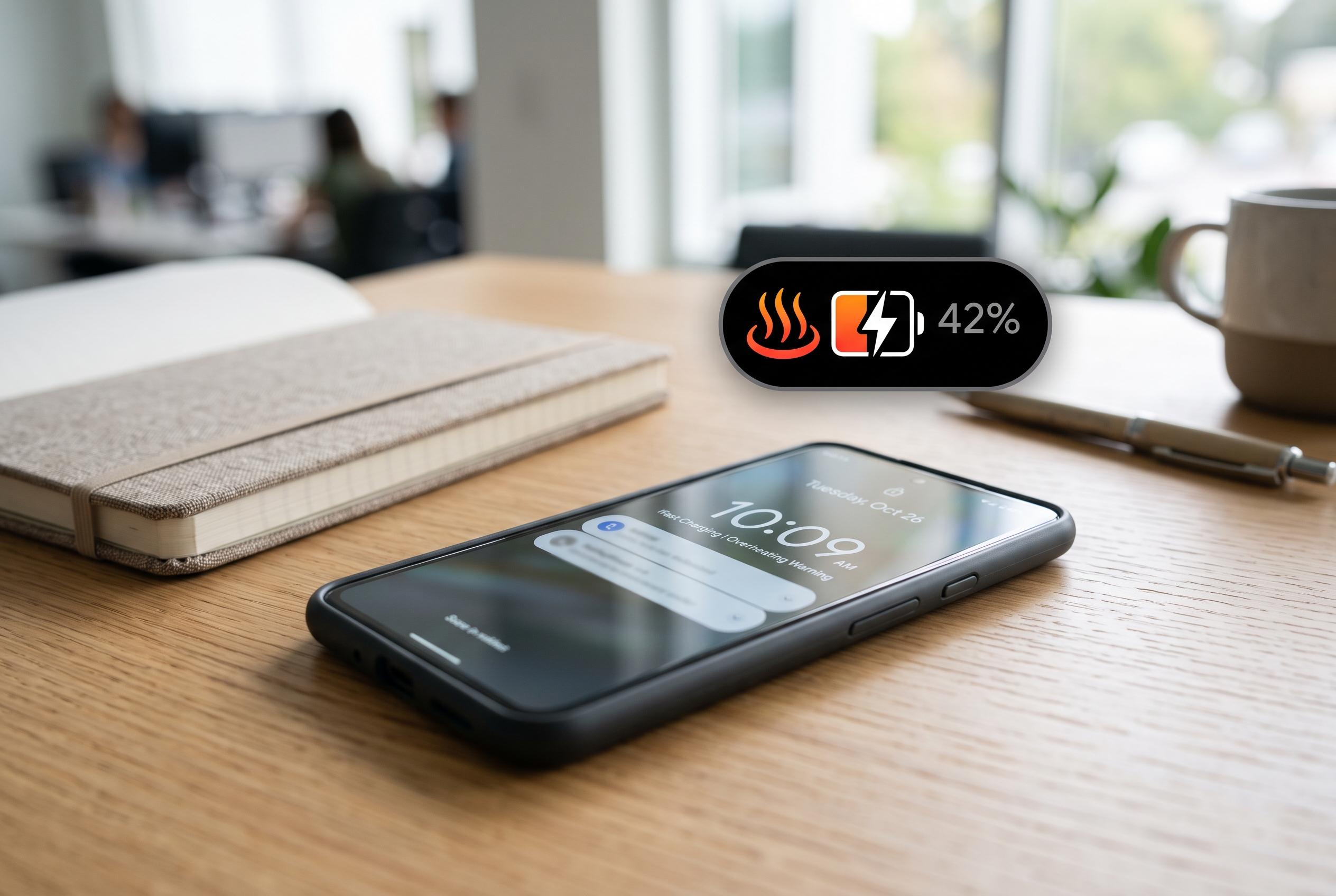

Batteries in smartphones and electric devices age naturally through chemical changes, accelerated by heat and fast charging. Understanding these factors helps users prolong battery health and know when to replace them.
A phone battery that seems to run down faster after 2 or 3 years is usually not failing in the dramatic sense. It is ageing in the ordinary way expected of lithium-ion cells, the technology used in most smartphones, laptops and electric vehicles. As batteries are charged and discharged, the chemistry inside them changes a little each time, gradually reducing how much energy they can hold.
That decline is tied to charge cycles, not simply the number of times a user plugs in a phone. One full cycle is the equivalent of using 100% of the battery’s capacity, even if that is done in smaller chunks. Many smartphone batteries are designed to retain around 80% of their original capacity after roughly 500 full cycles, which for many people works out to about 2 to 3 years of normal use.
Heat is one of the biggest factors that speeds up the process. Science Insights says lithium-ion batteries perform best in moderate temperatures and that exposure to heat above about 35C accelerates the chemical reactions that permanently reduce capacity. That is why leaving a phone in direct sunlight or a hot car can do more harm than an ordinary charging session.
Charging habits matter too. Experts quoted by TechRadar say regularly pushing a phone to 100% can increase wear, while keeping the battery roughly between 20% and 80% is gentler on long-term health. PCWorld reports that fast charging is convenient but produces more heat than standard charging, which adds extra stress to the battery over time.
Software can help manage battery wear, but it cannot reverse it. Modern phones may slow charging overnight or limit how long they sit at full power, yet the underlying ageing remains chemical and physical. If a battery’s health drops to around 80% or below, replacing the battery is often the most effective fix and usually far cheaper than buying a new phone.
Disclaimer: This content is intended for informational purposes only. Readers are advised to exercise their own judgement, conduct due diligence, or consult a qualified expert before acting on any information provided.