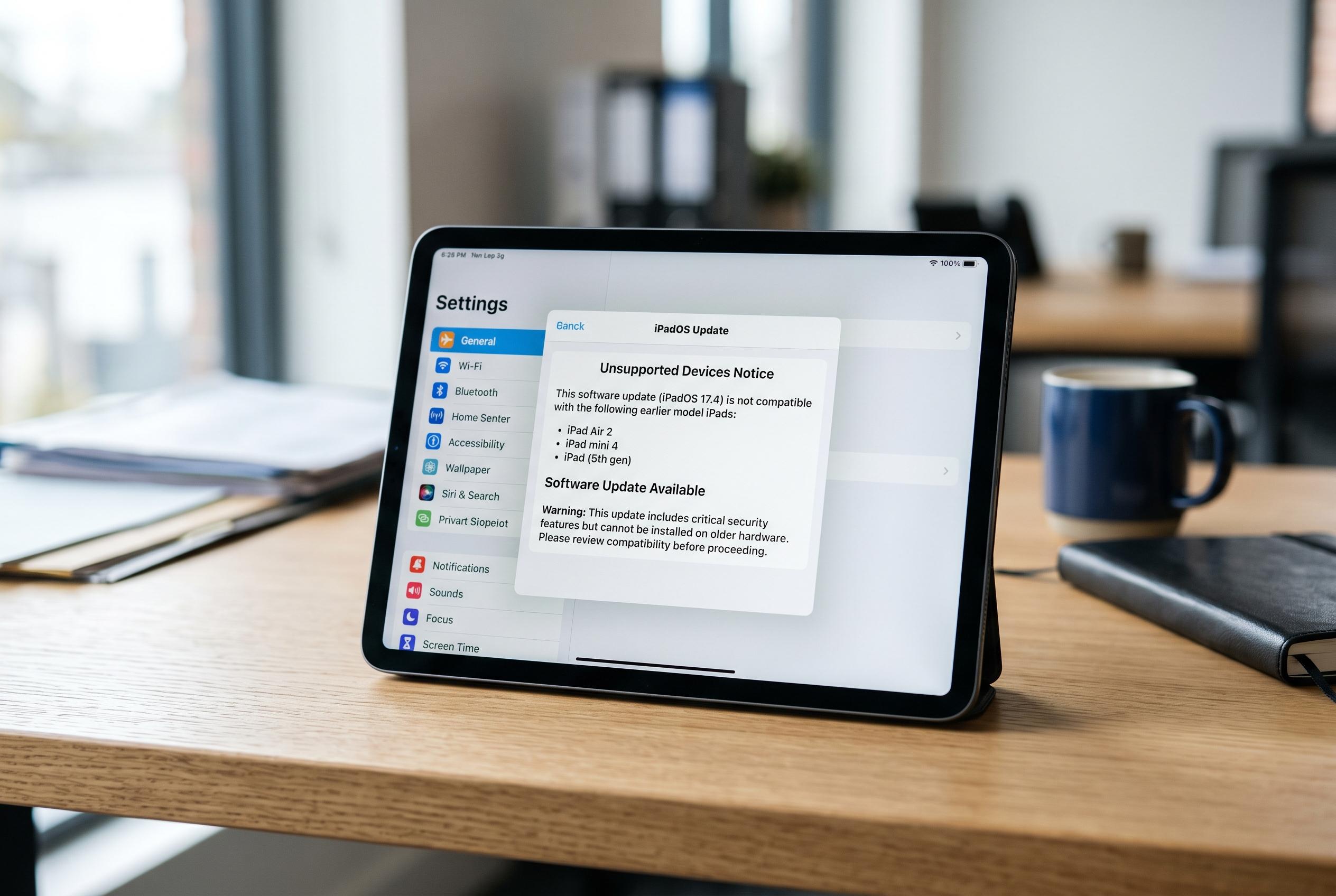

As Apple prepares to drop support for a new batch of older iPads with its next iPadOS release, experts and enthusiasts are advocating for more user control, including the possibility of installing alternative operating systems on ageing devices.
Apple’s next iPadOS release is set to strand a fresh batch of older tablets, including several iPad Pro, iPad Air, standard iPad and iPad mini models, according to reports from MacRumors and Gadgets 360. That prospect has revived a familiar debate about how long Apple should keep ageing hardware on life support and whether users should be able to do more with devices that still work well enough for everyday tasks. Macworld says Apple typically provides major iPadOS upgrades for about 6 to 8 years, with security patches often continuing beyond that, but the end of feature updates still leaves many owners with perfectly serviceable tablets that are no longer allowed to move forward.
The argument for a longer afterlife is straightforward. iPads are built around high-quality displays, durable hardware and fast chips that often remain useful long after the final official update arrives. iFixit notes that even a 2018 iPad Pro can still feel capable years after launch, even if it is no longer as responsive as it once was. The problem, the publication argues, is not that the hardware has suddenly become useless, but that Apple’s software policy stops owners from choosing a different path once support ends.
That is why the suggestion of a third-party operating system keeps coming up. On a PC or older Mac, Linux can often breathe new life into ageing machines, and iFixit says iPad owners have no comparable escape route because Apple does not allow them to unlock the device bootloader. The locked startup process, known as iBoot, prevents users from loading another operating system and also blocks simple downgrades if a new iPadOS version makes an older tablet feel slower.
There are technical hurdles as well. Even if Apple opened the door, alternative software would still need proper drivers for the display, wireless radios and other components inside the tablet. The iPad Linux project has documented community efforts to make that happen, but progress has been limited. iFixit points to the difficulty of reverse-engineering Apple’s proprietary hardware, comparing the challenge with Asahi Linux’s work on Apple Silicon Macs, where support remains partial and not every feature behaves properly.
The repair issue makes the case more complicated. A tablet that can no longer receive the latest Apple software may still be useful for tasks such as a wall-mounted dashboard, photo frame, kitchen display or conference station, especially if it stays plugged in all the time. But battery ageing can make that impractical, and iFixit says replacement parts for some iPad Pro models are so expensive that buying a new basic iPad can look like the easier option. That pricing dynamic, the site argues, nudges people towards replacement rather than repair.
For iFixit, the simplest fix would be a policy change, not a redesign: Apple could let owners unlock the bootloader and install an alternative operating system on hardware they already own. The company already knows how to support multiple operating systems on some products, the piece notes, citing Mac-era driver support and Boot Camp on Intel models as examples of what Apple has done before. Whether Apple would ever extend that kind of freedom to the iPad remains unlikely, but the case for doing so is growing as more tablets age out of official support while still retaining plenty of usable life.
Disclaimer: This content is intended for informational purposes only. Readers are advised to exercise their own judgement, conduct due diligence, or consult a qualified expert before acting on any information provided.