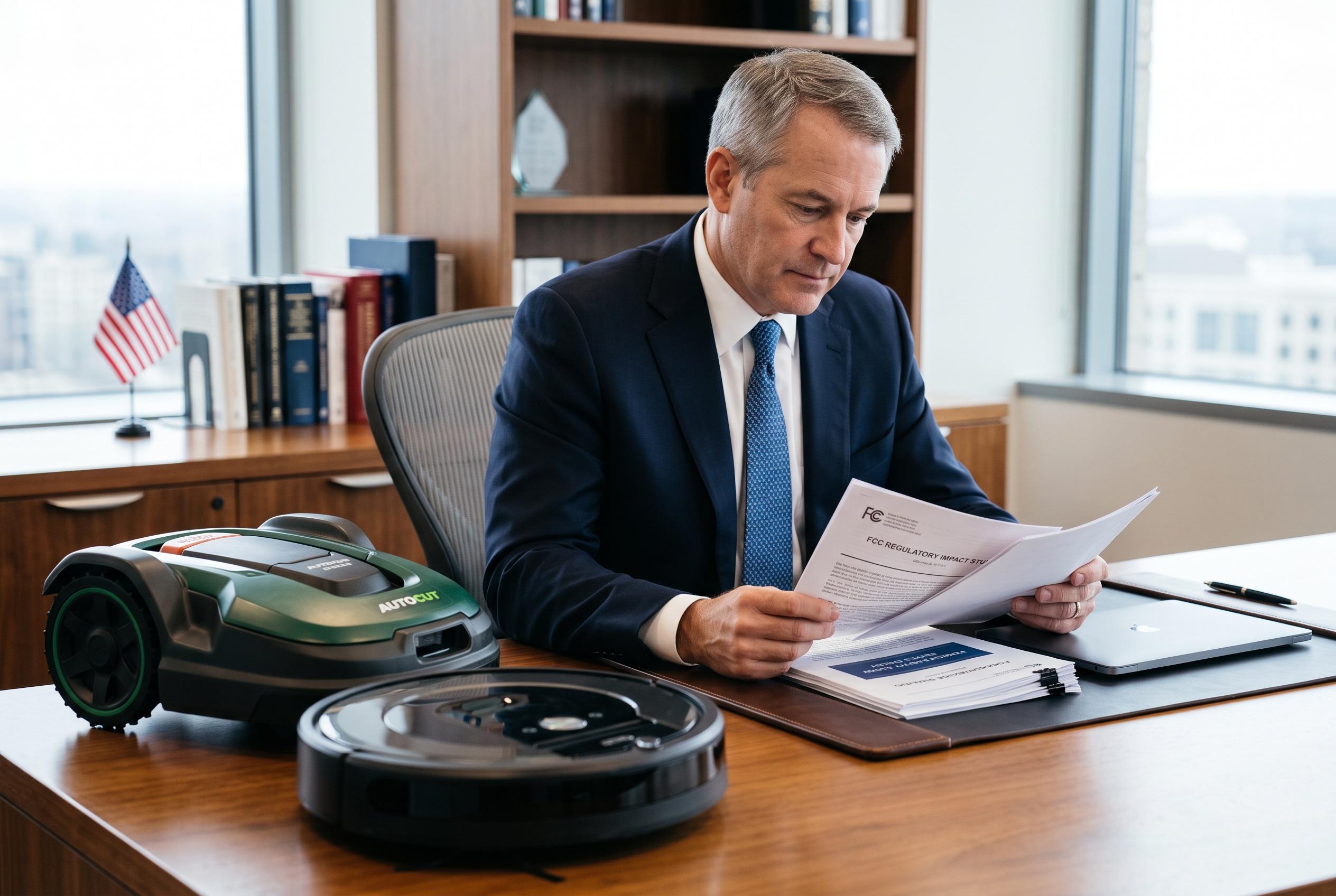

The Federal Communications Commission is limiting new approvals for foreign-made autonomous gadgets, notably from Chinese manufacturers, citing security and supply-chain risks, affecting future imports of robot vacuums and robotic lawn mowers.
The Federal Communications Commission is tightening access to some foreign-made autonomous devices, a step that could affect a range of connected home machines including robot vacuums and robotic lawn mowers. The move does not amount to a blanket ban on the gadgets already in Americans’ homes. Instead, it blocks new covered models from receiving the authorisation they need to be imported or sold in the United States, according to the FCC. That puts a spotlight on a fast-growing category of devices that can map rooms, avoid obstacles, connect wirelessly and run software on board.
The policy appears aimed largely at Chinese manufacturers, which dominate much of the consumer robotics market. Brands such as Roborock, Ecovacs and Dreame are likely to be among the most affected, while the FCC says the broader concern is that advanced robotic devices could create cybersecurity and supply-chain risks. The commission has said such products may present opportunities for surveillance or remote control, a claim that has become central to its wider scrutiny of Chinese technology.
For consumers who already own robot vacuums, the immediate impact should be limited. The FCC says devices that were previously approved can continue to be used, and the restriction does not force households to replace machines they already purchased lawfully. Existing authorised products may also keep receiving software and firmware updates under current rules, which could help maintain performance and patch security flaws, although the agency could revisit those policies later.
The decision fits a broader pattern. According to The Washington Post, the FCC has already moved against foreign-made drones, and it recently expanded restrictions to cover humanoid robots, wheeled machines and quadrupeds from overseas manufacturers. Separately, concerns over data privacy in the smart-home market have grown as robot vacuums collect home-layout information and images inside the household, while other foreign-made consumer tech, including home routers, has also drawn government scrutiny. For buyers, the practical message is simple: current devices should keep working, but the market for new models may become narrower and more heavily policed.
Disclaimer: This content is intended for informational purposes only. Readers are advised to exercise their own judgement, conduct due diligence, or consult a qualified expert before acting on any information provided.