
Major wearable makers are transforming wrist and ring devices into comprehensive health platforms integrating biometric data with artificial intelligence, as regulatory challenges and market segmentation reshape the landscape of consumer health technology.
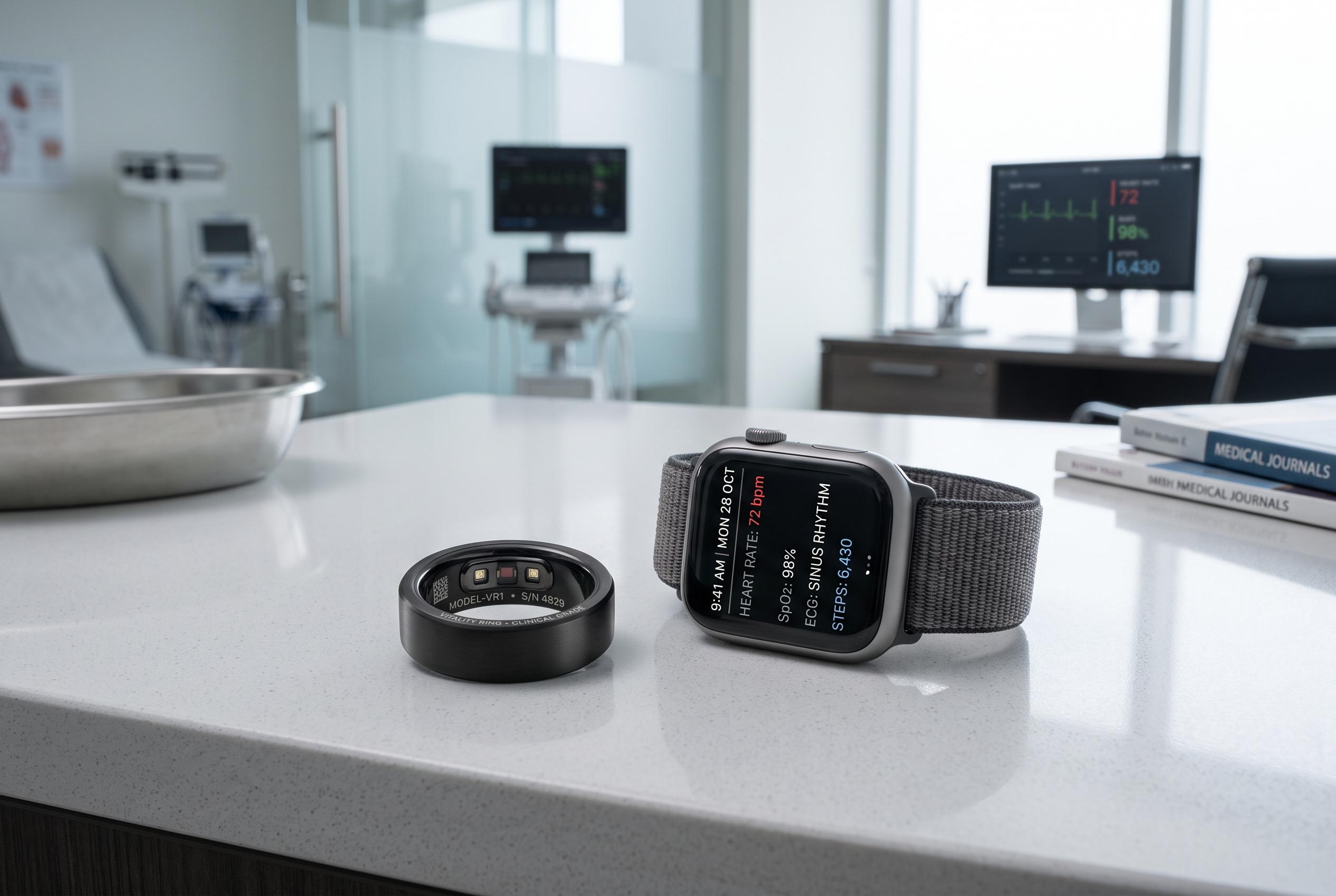
Wearable makers are pushing well beyond step counts and sleep scores, turning wrist- and ring-based devices into always-on health platforms that blend biometric tracking with artificial intelligence. Athletech News said the shift is being driven by major funding rounds and by a broader effort to make consumer wearables act more like continuous health companions than simple fitness gadgets. WHOOP and Oura are at the centre of that move, while Apple, Garmin, Google and newer rivals are testing how far the category can stretch into prevention, monitoring and connected care.
WHOOP has spent the past year widening its health stack with features such as blood pressure insights, FDA-cleared ECG, Healthspan and Advanced Labs, which is designed to link users with targeted blood panels. The company also said it has amassed more than 24 billion hours of health data and that members open the app more than eight times a day. In a separate statement, WHOOP said its partnership with HealthEx will let users securely connect electronic health records inside the app, while its new AI guidance is meant to turn live biometric data into more personalised recommendations.
That expansion has also brought regulatory scrutiny. Athletech News reported that the Food and Drug Administration sent WHOOP a warning letter in 2025 over its blood pressure feature, which the agency said required marketing authorisation as a medical device. WHOOP has disputed that reading and has kept the feature in place, underscoring the growing tension between wellness tools and clinical claims as wearable makers add more advanced health functions.
Oura is taking a similar path. The company recently launched Oura Ring 5, which it says is 40% smaller than the previous model while still offering about a week of battery life. According to Oura, the new ring adds blood pressure trend detection, nighttime breathing analysis, GLP-1 medication tracking, lab uploads and broader support for metabolic health. The company also said the product is built to look more like a traditional wedding band, signalling that form factor still matters even as the category becomes more clinically ambitious.
Apple, Garmin and Google are also refining their positions. Athletech News said Apple is leaning on its scale and research partnerships, while Garmin is trying to translate its reputation with endurance athletes into the recovery-band market with Cirqa. Google’s Fitbit Air is aimed at bringing screenless, always-on monitoring to a lower price point with heart rate, heart rate variability, blood oxygen, sleep stages and atrial fibrillation alerts. Together, those moves show a market splitting into two camps: high-end subscription devices promising deeper insight and broader consumer products that try to make passive health tracking cheaper and more familiar.
Beyond the main players, a growing number of start-ups are targeting narrower use cases, from strength training and women’s health to brain monitoring and vagus nerve stimulation. Industry estimates cited by Athletech News suggest the category still has room to grow, with many consumers either already using a wearable or considering one. But the harder challenge is not collecting more data; it is proving that the data can change outcomes, fit into medical systems and earn the trust of doctors, insurers and users alike.
Disclaimer: This content is intended for informational purposes only. Readers are advised to exercise their own judgement, conduct due diligence, or consult a qualified expert before acting on any information provided.