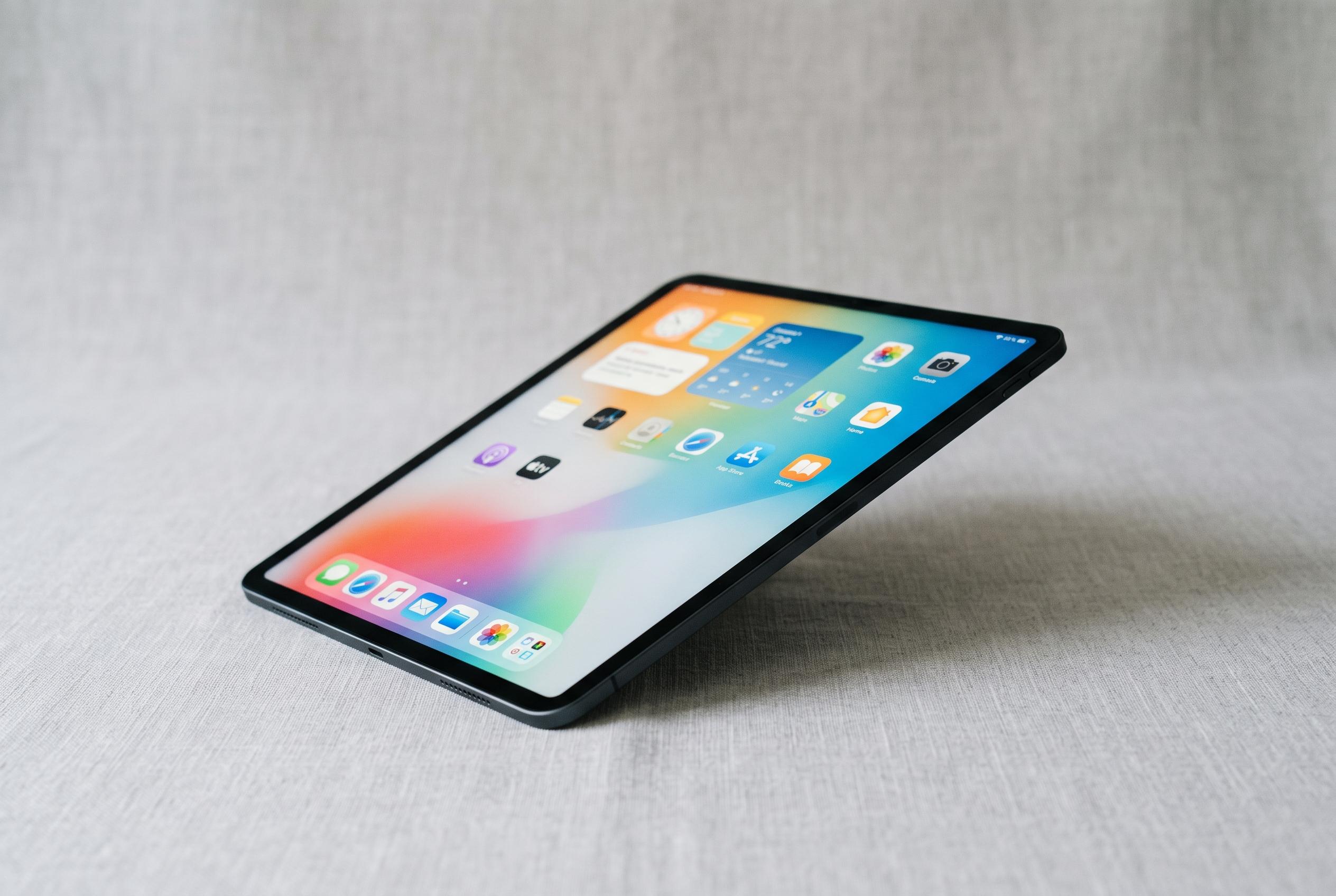

The worldwide tablet market experienced its sharpest decline in two years in the second quarter of 2026, driven by supply issues and changing consumer preferences, with Apple maintaining market dominance amidst broader industry struggles.
Apple’s iPad business has entered the second half of 2026 under pressure, but a new industry report suggests the weakness is part of a broader slide in the tablet market rather than a problem isolated to the company alone. After Apple said last week that iPad revenue fell 5% year on year in the June quarter, Omdia has now reported that worldwide tablet shipments dropped 9.9% in the same period to 35.5 million units.
The research firm said the market also broke with its usual second-quarter pattern, when back-to-school buying often lifts shipments from the prior quarter. Even so, Apple remained comfortably the leader, shipping 13.5 million iPads for a 37.8% share. Samsung came second with 5.8 million units and 16.3% of the market, followed by Lenovo, Xiaomi and Huawei. Lenovo was the only company in the top five to post growth, with shipments rising 27.1% from a year earlier.
Omdia’s research manager, Himani Mukka, said the quarter marked one of the sharpest declines in the tablet sector over the past two years. Mukka said tablets remain embedded in household use and are increasingly replacing traditional PCs in some everyday tasks, particularly with detachable models, larger screens and established demand in education and field work. But Mukka added that supply constraints mean vendors are likely to direct limited resources towards premium and flagship devices rather than the wider tablet category.
The latest data also fits a wider pattern of strain across consumer electronics. Omdia previously said the global tablet market managed only 0.1% growth in the first quarter of 2026, with demand bolstered more by inventory build-up than genuine end-user buying. In a separate report, the firm said global smartphone shipments fell 4% in the second quarter as memory shortages and higher component costs weighed on the market, though Apple and Samsung continued to gain share in premium devices. Taken together, the reports suggest that big brands with stronger supply chains and pricing power are weathering the slowdown better than smaller rivals.
Disclaimer: This content is intended for informational purposes only. Readers are advised to exercise their own judgement, conduct due diligence, or consult a qualified expert before acting on any information provided.