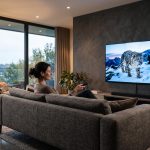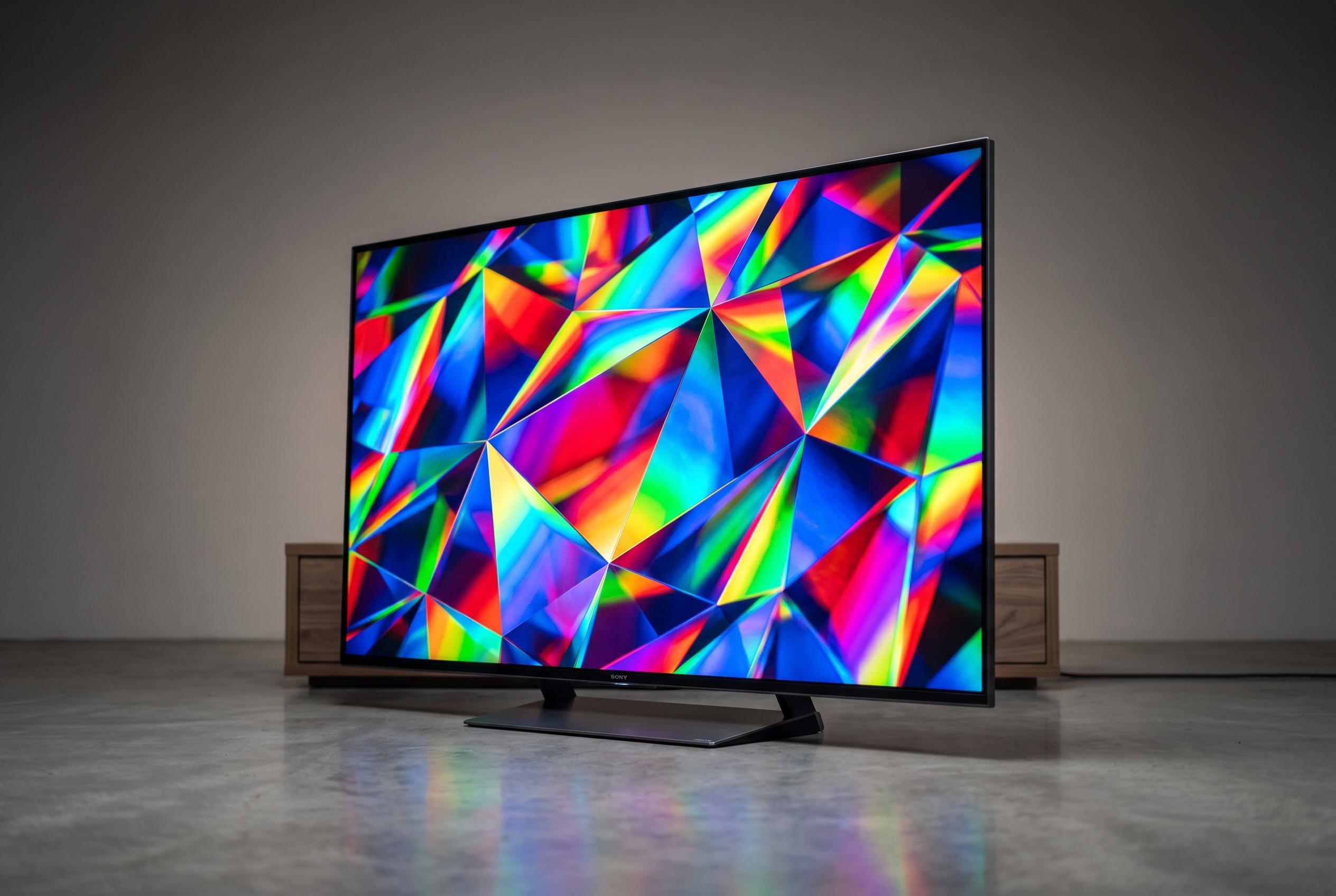

Sony’s latest flagship, the Bravia 9 II, pushes the boundaries of RGB LED display technology with impressive brightness and colour, but struggles with off-angle performance and premium pricing amidst strong OLED rivals.
Sony’s Bravia 9 II is a statement piece for the company’s new RGB LED push, and it looks every bit like a premium flagship. Sony says the set is its first True RGB BRAVIA TV, built to deliver its widest colour volume yet and to hold its colour better in bright rooms and at wider viewing angles. In practice, it is a bright, sharp and feature-packed television that makes a strong first impression, even if it does not quite deliver the all-round polish of the best OLED rivals.
The hardware is understated and slim, with a dark frame and a minimalist stand, although the tidy design does not fully hide the cables unless they are carefully managed. Sony’s remote is backlit and rechargeable over USB-C, which is handy, but the button layout is awkward, with Sony Pictures Core given more prominence than the Home button. It is a small irritation, yet on a product this expensive, small irritations matter.
Sony leans on Google TV for the smart platform, so the usual big-name streaming apps are present, along with Apple AirPlay and Google Cast. Hands-free Google Gemini support adds a more modern voice-control layer, letting users search for content, ask general questions and control compatible smart-home devices. That makes the Bravia 9 II feel up to date in the same way as its rivals, even if the user experience is still mostly defined by the basics: fast access to apps, decent search and simple navigation.
Sound is a surprise strength. The built-in 2.2.2-channel speaker system produces a large, spacious presentation with convincing height effects and clear dialogue, which means many buyers may not feel an immediate need for a soundbar. That said, the audio advantage does not offset the Bravia 9 II’s central trade-off: RGB LED can produce striking brightness and an unusually wide colour range, but it can also bring light bloom, weaker off-angle performance and more variable results with complex images. Sony’s own launch material stresses accurate colour in bright environments, and that promise is largely borne out in straightforward scenes, but the real-world picture is less clean than the laboratory numbers suggest.
That tension is what defines the Bravia 9 II. PCMag’s testing found excellent brightness, with particularly strong results in HDR, and a colour gamut that reaches close to the top of the TV market. The trouble is that benchmark charts do not fully reflect day-to-day viewing, where OLED sets still often look richer, more consistent and better controlled from the side. Sony’s TV is also very expensive, starting at $3,599.99 for the 65-inch version reviewed, which puts it into direct competition with sets that are more convincing overall, including Samsung’s OLED alternatives.
For gamers, the Bravia 9 II is better than merely respectable. Sony has built in PlayStation 5 integration, automatic gaming features and support for Nvidia G-Sync, though not AMD FreeSync. PCMag measured very low lag at 4K60, which should satisfy most console players, even if one 1080p120 reading was unusually high and may have been an anomaly. In the end, the Bravia 9 II is a highly accomplished showcase for Sony’s RGB LED ambitions, but it remains more impressive as technology than as the single best TV you can buy.
Disclaimer: This content is intended for informational purposes only. Readers are advised to exercise their own judgement, conduct due diligence, or consult a qualified expert before acting on any information provided.