
While Dropcam has disappeared, its pioneering features are now standard, as a surge of advanced, privacy-conscious indoor cameras reshape the market in 2026, offering consumers more choice and control.
Dropcam may be gone, but its influence is still visible in the modern indoor camera market. For many American households, the original device set the benchmark for effortless setup, dependable cloud recording and straightforward remote viewing, which is why so many former users have struggled to find a replacement that feels equally familiar. Google folded the product into the Nest line after acquiring Dropcam in 2014, and support for the original hardware ended in 2024, forcing long-time owners to look elsewhere.
The good news is that today’s indoor security cameras are considerably more capable than Dropcam ever was. Industry round-ups from Tom’s Guide, Security.org, WiseBuyAI, The Tech Search and other product guides consistently point to sharper video, more reliable motion alerts, better night vision, local storage options and stronger smart home integration as the key differentiators in 2026. In practical terms, the best choice now depends less on brand loyalty and more on whether a buyer values subscriptions, privacy, AI detection or compatibility with an existing ecosystem.
For Google households, the Nest Cam remains the most obvious successor. Tom’s Guide names the Google Nest Cam battery model its top home security camera for 2026, citing easy installation and solid 1080p video, while the broader Google Home experience continues to make Nest the smoothest transition for former Dropcam users. Arlo sits at the premium end of the market, with Security.org and other reviews highlighting advanced alerts, customisable detection and strong app performance for buyers willing to pay more.
Budget buyers have more attractive options than they did a few years ago. Wyze continues to appeal on price and feature set, with recent camera round-ups praising its value, while Blink’s Mini line is repeatedly singled out for low-cost monitoring and simple setup. Tom’s Guide also notes the wider appeal of Blink’s affordability in its 2026 rankings, although some of these lower-priced cameras inevitably make trade-offs on recording features or advanced analytics.
Privacy-conscious shoppers are increasingly turning to brands such as Eufy, whose local storage approach reduces reliance on monthly fees. That emphasis on local recording and RTSP-style flexibility is part of a wider trend in the indoor camera market, where buyers are paying closer attention to subscription costs, storage method and data control rather than resolution alone. For households already using Amazon Alexa, Ring and Blink remain convenient choices because of their tighter ecosystem integration.
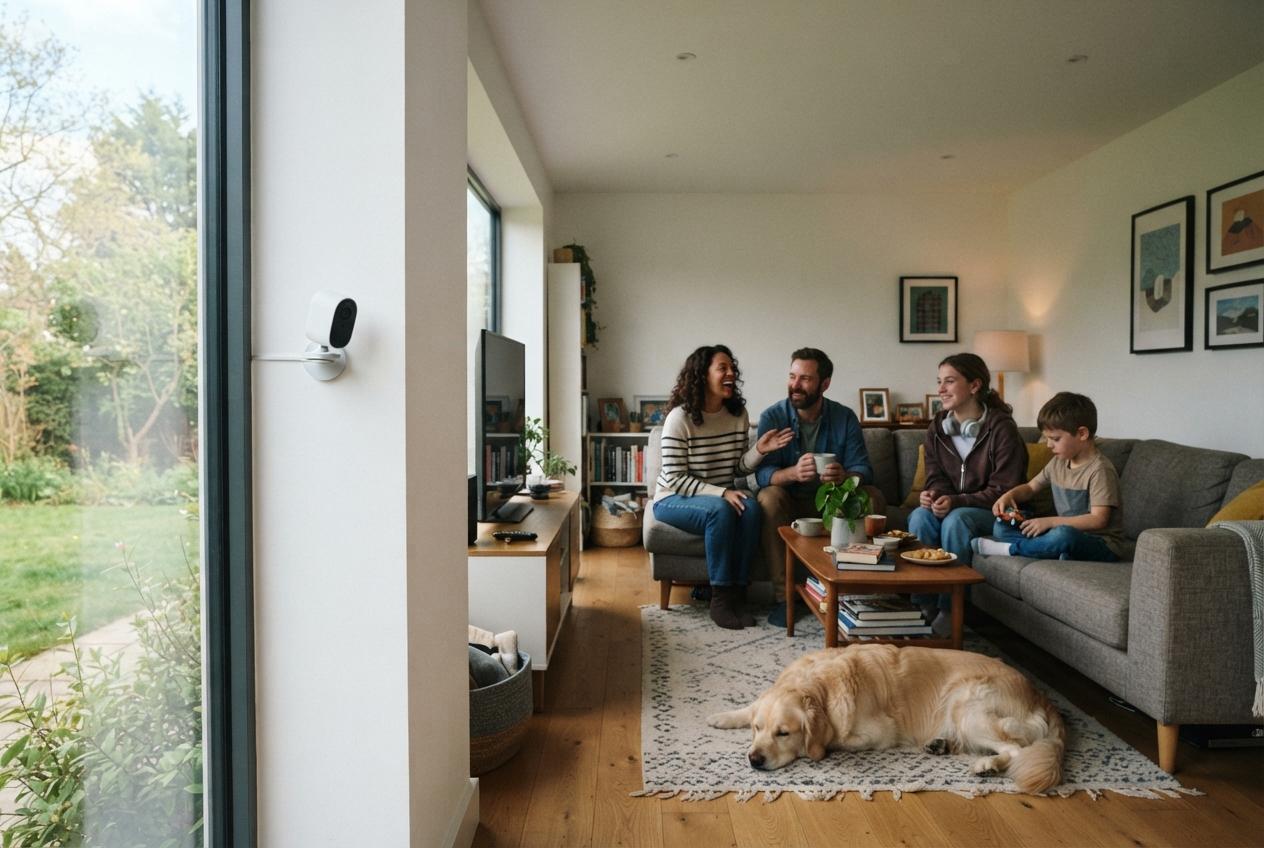
Ultimately, the right Dropcam replacement is the one that matches how the camera will actually be used. Someone checking in on pets or children may care most about live streaming, two-way audio and app reliability, while others will prioritise person detection, local storage or the lowest possible running cost. The best current advice from specialist camera guides is to compare not just hardware, but the full ownership experience, including alerts, software quality, privacy controls and any ongoing subscription burden.
Disclaimer: This content is intended for informational purposes only. Readers are advised to exercise their own judgement, conduct due diligence, or consult a qualified expert before acting on any information provided.