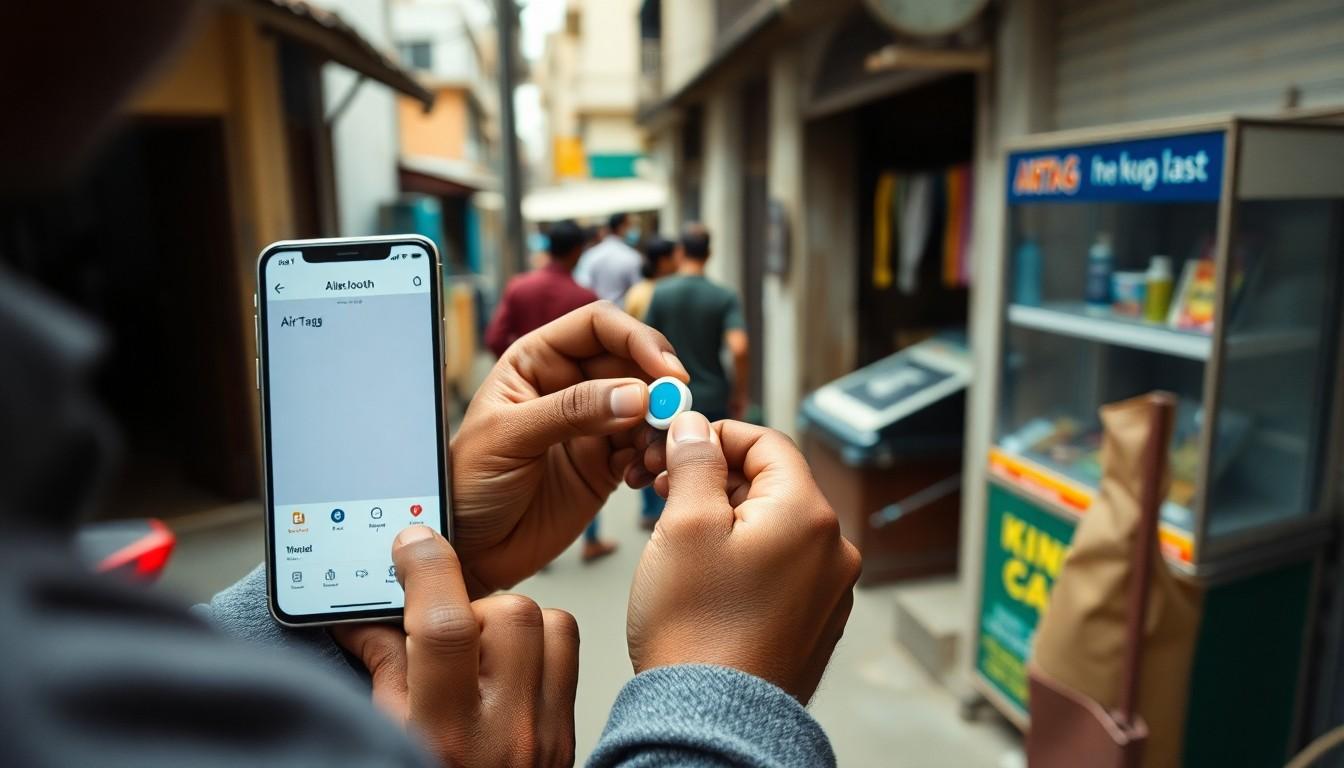

The JioTag 2 emerges as a versatile, affordable alternative to Apple’s AirTag 2nd generation, highlighting how ecosystem compatibility and hardware features influence consumer choice amid evolving tracking technology.
The JioTag 2 arrives as a more modestly priced rival to Apple’s AirTag 2nd generation, but the real story is not simply cost. It is about which ecosystem you live in, how much locating precision you need, and whether you want a tracker that works across both Android and iPhone rather than being tied to one platform. Smartprix positions the JioTag 2 as the more flexible option, while Apple’s updated tracker remains the more polished choice for iPhone owners.
On design, the two are close in footprint, yet they are not equal in feel or practicality. Macworld says the AirTag 2nd generation is almost unchanged in appearance from the original, aside from a small text change, and retains its IP67 resistance rating. By contrast, Smartprix notes that the JioTag 2 is thicker and heavier, but it adds a built-in loop for easier attachment to bags, keys or luggage, and comes in several colours rather than a single finish.
Apple’s advantage becomes clearer in the hardware. Several reviews, including MacRumors, AppleTLDR and Cult of Mac, say the AirTag 2nd generation brings a second-generation Ultra Wideband chip, improved Precision Finding, a louder speaker and Apple Watch support. That means iPhone users can get far more exact directional guidance when they are close to a lost item. The JioTag 2, according to Smartprix, does not include UWB, so it depends on Bluetooth proximity and an audible alarm instead.
Compatibility is where the JioTag 2 has the clearest appeal. Smartprix says it works with both Apple Find My and Google Find Hub, making it usable across Android and iOS households, whereas AirTag remains locked into Apple’s ecosystem. Both trackers rely on community-based location networks rather than built-in GPS, so neither offers true live tracking in the way a cellular device would. In practice, that means the tracker’s usefulness depends heavily on how many nearby devices can relay its position.
For buyers, the decision is straightforward. If you use Android, or your family splits between Android and iPhone, the JioTag 2 makes far more sense, especially at its much lower price. If you are all-in on Apple, the AirTag 2nd generation justifies its premium through better water resistance, more accurate close-range finding and tighter integration with Apple hardware. Smartprix is right to point out that multiple JioTag 2 units can cost about the same as a single AirTag, which may matter more than brand loyalty for travellers or anyone kitting out several bags at once.
Disclaimer: This content is intended for informational purposes only. Readers are advised to exercise their own judgement, conduct due diligence, or consult a qualified expert before acting on any information provided.