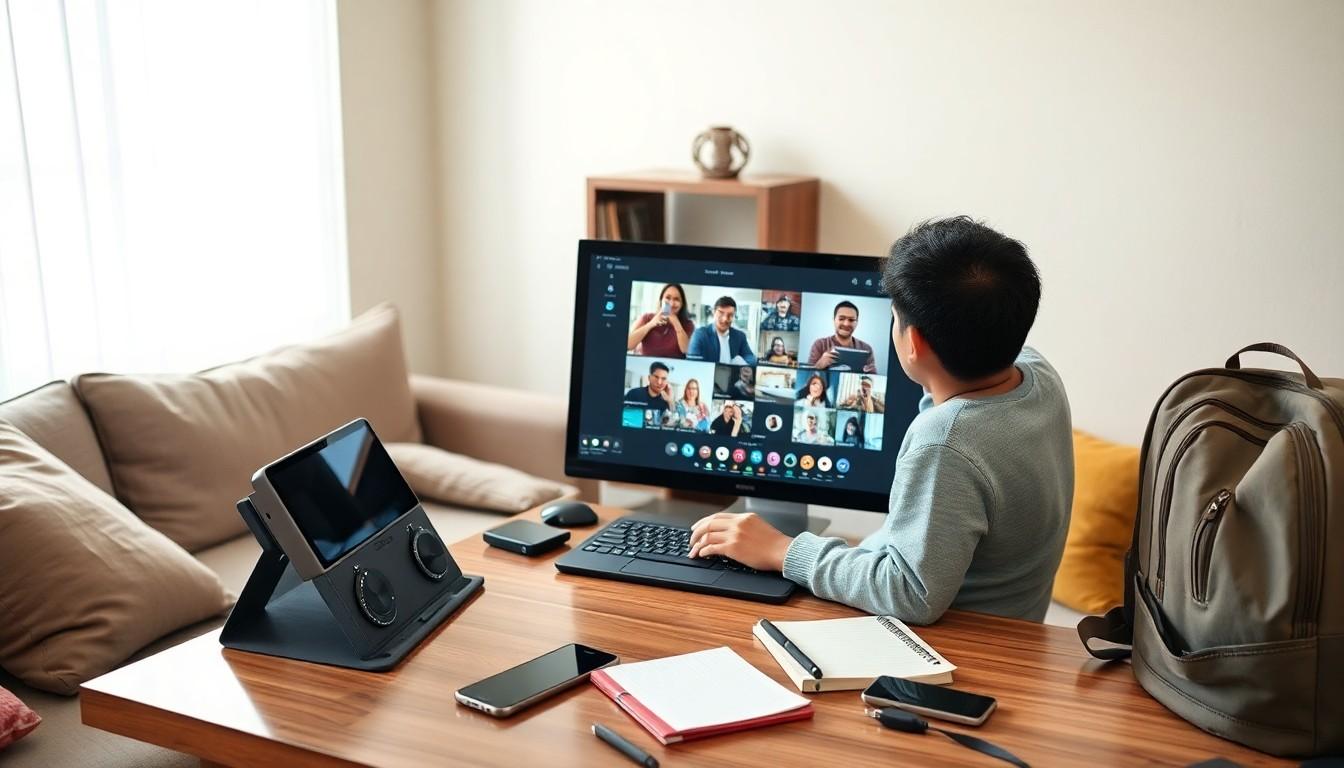

A new trio of budget tablets , Xiaomi Pad 7, Samsung Galaxy Tab S10 Lite, and Lenovo Idea Tab Plus , are redefining affordability by offering premium features, accessories, and large screens for study, streaming, and light productivity in 2026.
For buyers looking beyond the usual laptop upgrade path, a trio of tablets is drawing attention for offering enough power, accessories and screen quality to handle study, streaming and light productivity without stretching into premium pricing. In a roundup of the best budget tablets for 2026, BGR highlighted the Xiaomi Pad 7, Samsung Galaxy Tab S10 Lite and Lenovo Idea Tab Plus as stand-out options, each positioned as a cheaper alternative to a full laptop while still offering features that make typing, note-taking and media use far more comfortable than on a phone.
The Xiaomi Pad 7 appears to be the most performance-focused of the three. Tech Advisor described it as a tablet with a premium build, an excellent display and strong overall performance, adding that its accessories help push it closer to laptop-like use. BGR noted the 11.2-inch Wi-Fi model with 128GB of storage and 8GB of memory, powered by Qualcomm’s Snapdragon 7+ Gen 3 chip, a 3.2K panel with a 144Hz refresh rate and up to 800 nits of brightness. It also includes a 13-megapixel rear camera, an 8,850mAh battery and 45W charging. The tablet has attracted positive feedback from Amazon buyers and Reddit users, although some owners have complained about touch gesture recognition, and Tech Advisor said its AI features are less convincing than the rest of the hardware.
Samsung’s Galaxy Tab S10 Lite is the most familiar mainstream option in the group and, according to Android Central, has been sold with a 20% discount on Amazon. The publication said the tablet is well suited to streaming, browsing and note-taking, helped by the included S Pen and support for Samsung’s Galaxy AI tools. BGR said the model comes with a 10.9-inch display, an Exynos 1380 processor, an 8,000mAh battery rated for up to 16 hours of use and storage options up to 512GB, with microSD expansion available. Amazon reviews have been strong overall, though some users report a less responsive touch screen and occasional setup issues.
Lenovo’s Idea Tab Plus is aimed most clearly at students who want a larger display without paying for a premium slate. ITPro called it a cheap and cheerful tablet for education, praising its 12.1-inch 2.5K screen and long battery life, although it noted the stylus is less dependable than rivals and relies on a AAA battery. Android Central said the device starts at $270 and includes a 90Hz panel, a MediaTek Dimensity 6400 chip, support for 5G on some versions and dual microSD or SIM slots. BGR added that Lenovo bundles a Tab Pen and a folio case, along with software aimed at students, such as drag-and-drop file sharing and built-in study apps. With strong Amazon ratings and a weight of about 450g, it is the lightest and arguably the most class-friendly option in the group.
Taken together, the three tablets show how far the budget end of the market has moved. The Xiaomi Pad 7 is the most capable all-rounder, the Samsung Galaxy Tab S10 Lite offers the strongest blend of ecosystem features and bundled pen input, and the Lenovo Idea Tab Plus is the value pick for students who want a large screen and practical extras. For shoppers who want something that can sit between a phone and a laptop, the choice now depends less on raw capability than on which compromises feel easiest to live with.
Disclaimer: This content is intended for informational purposes only. Readers are advised to exercise their own judgement, conduct due diligence, or consult a qualified expert before acting on any information provided.