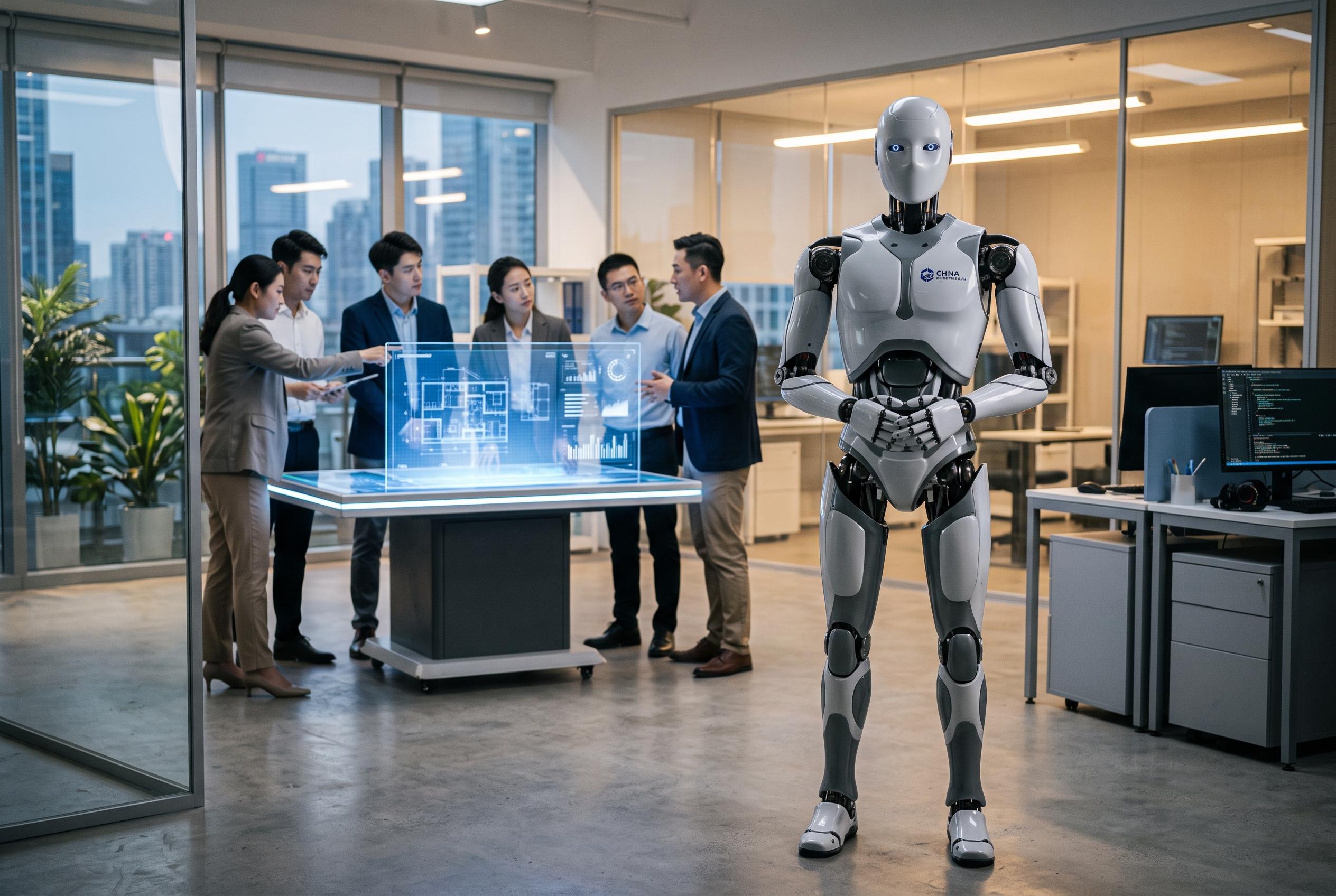

Malaysian tech observer Serm Teck Choon highlights China’s rapid rise from contributor to leader in artificial intelligence, robotics, and innovation, with a focus on expanding cooperation in Southeast Asia.
China is increasingly being seen as a serious force in frontier technologies, according to Malaysian technology observer Serm Teck Choon, who said the country is moving from being a major contributor to a lead player in areas such as robotics and artificial intelligence. In an interview with Xinhua, Serm said the shift is visible not just in rhetoric but in industrial performance, supply-chain strength and the speed at which new products reach the market.
The clearest example, he said, is humanoid robotics. Industry data cited by the South China Morning Post shows China accounted for more than 80% of global humanoid robot installations in 2025, with domestic firms such as AgiBot and Unitree Robotics leading the field. Other reports, including one carried by China Daily, said AgiBot shipped more than 5,100 units that year, giving it a 39% global share, while Unitree delivered about 4,200. An IDC-based report highlighted by CGTN put global shipments at around 18,000 units in 2025, underscoring how quickly the market is expanding.
Serm said China’s edge comes from what he described as a complete innovation cycle, linking research, parts suppliers, manufacturing and real-world use. That ecosystem, he said, is backed by a broad industrial base spanning consumer electronics, electric vehicles and intelligent robots, giving Chinese companies the ability to move from prototype to mass production faster than many rivals. The large domestic market also allows new technologies to be tested and refined at scale before they are exported.
He also argued that China’s next stage should include deeper cooperation with Southeast Asia, particularly in robotics, drones and smart manufacturing. Serm said the region is pushing through its own industrial upgrade and digital transition, while China’s manufacturing experience could complement demand in logistics, agriculture and factory modernisation. Separately, reports on China’s technology strategy have pointed to artificial intelligence, quantum computing and biotechnology as key priorities in the country’s broader innovation drive.
Disclaimer: This content is intended for informational purposes only. Readers are advised to exercise their own judgement, conduct due diligence, or consult a qualified expert before acting on any information provided.