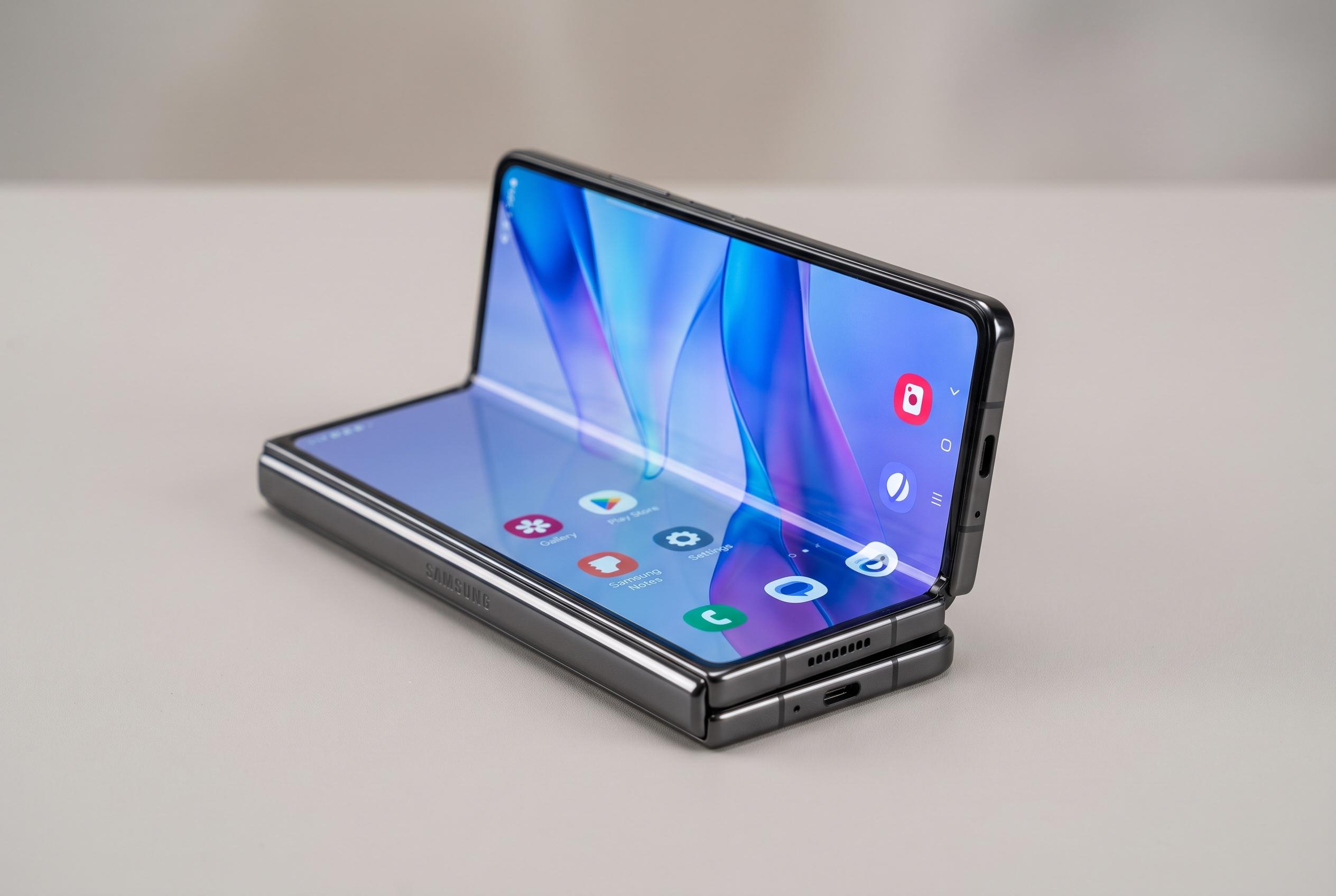

The Galaxy Z Fold 8 Ultra boasts cutting-edge hardware and enhanced design features, but comparisons with the Galaxy S26 Ultra highlight key sacrifices in dust resistance, stylus support, and zoom capabilities, revealing nuanced strengths and weaknesses of Samsung’s flagship foldable.
Samsung’s Galaxy Z Fold 8 Ultra is being sold as a top-tier foldable, and on paper it has the hardware to justify the label. Tom’s Guide says it combines an 8-inch main screen, a 6.5-inch cover display, a 200-megapixel main camera and Samsung’s first silicon-carbon battery, while TechRadar’s review describes it as a more refined and capable version of the company’s foldable formula. Even so, the comparison with the Galaxy S26 Ultra shows that “Ultra” does not mean the Fold is the better all-round phone.
In hand, the foldable has clear advantages and obvious compromises. Tom’s Guide found it unusually light and slim for a device that opens into a tablet-sized screen, and its anti-reflective coating and reduced crease make the display easier to use outdoors. TechRadar also praised the design improvements and the brighter panel. But the Fold still carries only an IP48 rating, which leaves it less protected against dust than the S26 Ultra’s IP68 rating, and SamMobile notes that this gap remains one of the most important differences between the two phones.
The display is the Fold’s strongest argument. Tom’s Guide reported much higher measured HDR brightness on the Fold than on the S26 Ultra, and the larger inner panel makes multitasking and video playback feel more expansive. The trade-off is that Samsung still has not restored built-in S Pen support on the Fold, while the S26 Ultra keeps the stylus inside the phone. SamMobile says that omission remains one of the most noticeable ways the foldable falls short of Samsung’s slab-style flagship.
Camera performance is more mixed. According to Tom’s Guide, the Fold 8 Ultra matches the S26 Ultra closely in main and ultrawide shots and can even deliver excellent selfies by using the rear cameras with the cover screen. But the S26 Ultra has the clear edge in zoom, thanks to its dual telephoto setup and much higher maximum digital magnification. Tom’s Guide’s comparison found the Fold’s 30x shots noticeably weaker, especially when fine detail mattered. In low light, the two phones were closer, though the S26 Ultra often produced brighter results.
Performance and battery life are competitive rather than class-leading for the foldable. Tom’s Guide said both phones use the same Snapdragon 8 Elite Gen 5 chip, with the S26 Ultra edging ahead in benchmark testing and appearing slightly smoother in games, possibly helped by vapor chamber cooling. The Fold’s new battery technology is a major upgrade over its predecessor, and battery life improved sharply, but it still trailed the S26 Ultra in testing. Charging is also slower on the Fold, though the difference in Tom’s Guide’s own wired test was small. TechRadar’s verdict suggests the Fold is best for power users who want the flexibility of a large foldable screen, while the S26 Ultra remains the smarter buy for people who value zoom, dust resistance and the built-in S Pen. At $2,099, the Fold 8 Ultra is the more expensive phone, but also the more ambitious one.
Disclaimer: This content is intended for informational purposes only. Readers are advised to exercise their own judgement, conduct due diligence, or consult a qualified expert before acting on any information provided.