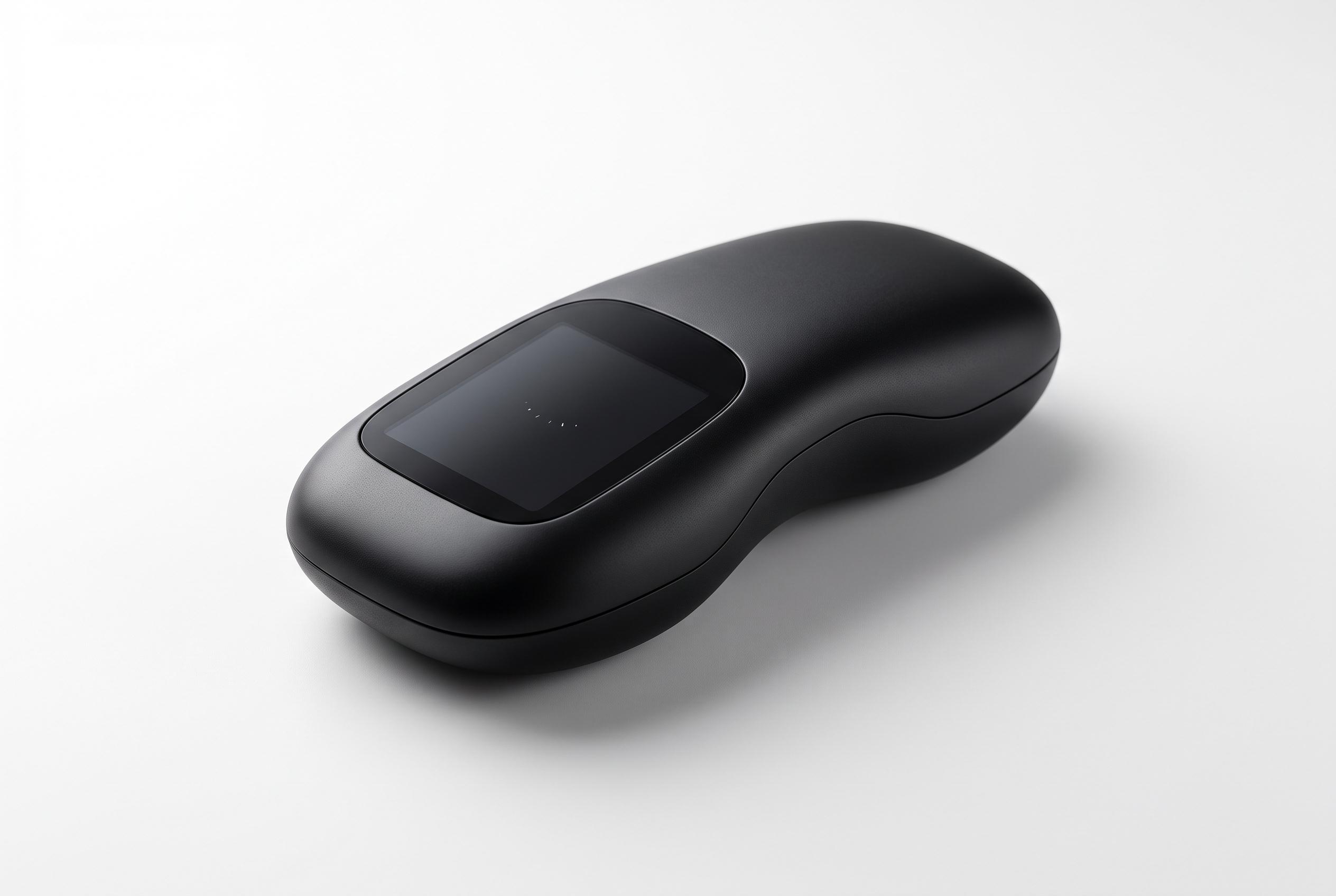

OpenAI, in collaboration with Jony Ive’s LoveFrom, is developing a sleek, handheld AI device designed to respond through conversation, movement, and contextual awareness, challenging traditional smart speakers and hinting at a new era of intelligent, human-like home companions.
OpenAI’s first consumer device is taking shape as a small, screenless object meant to fit in the palm of a hand, combining microphones, cameras and moving parts in an attempt to make artificial intelligence feel less like software and more like a companion. The product, being developed with Jony Ive’s design studio LoveFrom, is meant to move AI beyond the smartphone and laptop, according to reporting by Bloomberg that has added fresh detail to an otherwise secretive project.
Rather than a conventional smart speaker, the device is said to be a compact circular unit, roughly 8 centimetres across, built with premium metal and other refined materials. The aim is to create a personal computer centred on AI, one that can sit on a bedside table, kitchen counter or desk and respond through conversation rather than through a display. Bloomberg says the system will rely on more advanced models than the voice mode currently available on phones, with memory that gradually adapts to the user.
The most distinctive feature may be its sense of movement. OpenAI and LoveFrom are reportedly trying to give the device a recognisable personality through subtle physical motion, so it does not feel as static as speakers made by Amazon or Google. Light signals would show when microphones and sensors are active, while the machine could react as it listens or answers. The concept reflects a broader effort to make AI visible in the room, not just audible.
Cameras and sensors would also allow the device to read its surroundings, identify objects and connect a question to what is in front of it. That would give it a more contextual role than existing voice assistants, which often remain limited to commands and reminders. Bloomberg says the system would build a memory of the person using it, adjusting replies to preferences and habits over time, which raises obvious privacy concerns for a device designed to remain switched on for much of the day.
The project emerged from the collaboration between Sam Altman and Ive, and OpenAI’s hardware ambitions have since expanded into a wider family of products. T3 reported that the company is aiming for a range of devices rather than a single gadget, while other reports have said earlier speculation about earbuds or a wearable was set aside. Separate court filings cited by The Mac Observer and other outlets suggest the first product will not ship before the end of February 2027, pushing the schedule back from earlier hopes of an announcement in 2026 and a launch shortly afterwards.
Pricing is expected to land in the $300 to $400 range, putting the device above many smart speakers but below an iPhone. OpenAI appears to be betting that the appeal will come from what the gadget can do that a phone cannot: stay nearby, understand the room, remember the user and interact in a more human way. The company is also facing a legal fight with Apple over alleged trade secret misuse, a dispute that adds another layer of tension as OpenAI prepares to challenge the established rules of consumer electronics.
Disclaimer: This content is intended for informational purposes only. Readers are advised to exercise their own judgement, conduct due diligence, or consult a qualified expert before acting on any information provided.